AI Conversation
Heat exchanger tube bundle
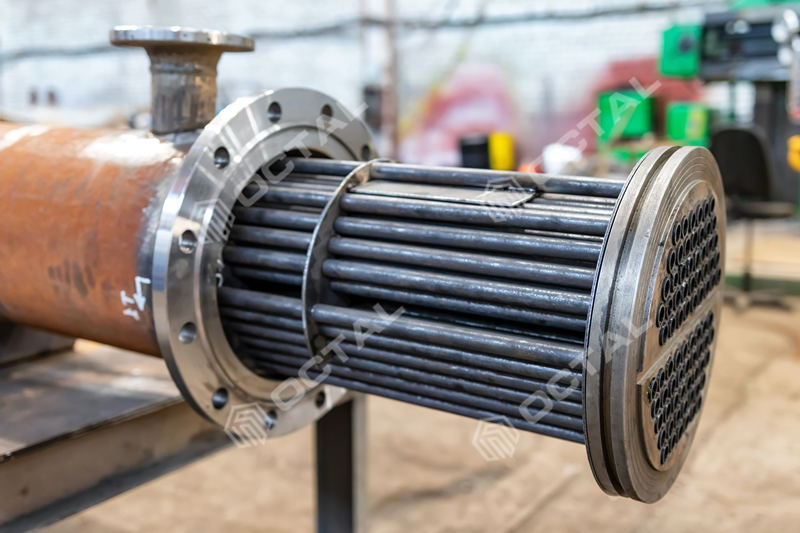
A fun fact about heat exchanger tube bundles is that they can be designed in a helical pattern, which enhances heat transfer efficiency by creating a swirling flow, improving thermal performance while reducing the risk of fouling.
https://www.youtube.com/watch?v=ZE9iuEkoG1s
tubes

https://www.youtube.com/watch?v=oFIKZSF5AOk
In heat exchangers, tube bundles consist of multiple tubes that facilitate thermal energy transfer between fluids. These tubes, often made of metals like copper or stainless steel, maximize surface area for efficient heat exchange. Arranged in various patterns, they enhance heat transfer rates while minimizing pressure drops and material costs.
baffles

https://www.youtube.com/watch?v=8rGLrhVeZvw
Baffles in heat exchanger tube bundles direct fluid flow, enhancing heat transfer efficiency by increasing turbulence and reducing dead zones. They support tubes, prevent vibration, and ensure uniform temperature distribution. Strategically placed, baffles optimize performance, minimize fouling, and maintain structural integrity within the heat exchanger system.
shell

https://www.youtube.com/watch?v=XhjYNUq120Q
In a heat exchanger, the shell is the outer casing that encloses the tube bundle. It facilitates heat transfer between fluids by directing one fluid over the tubes while the other flows inside them. The shell's design influences efficiency, pressure drop, and thermal performance of the heat exchanger.
tie rods
https://www.youtube.com/watch?v=TZ5POBPvIBw
Tie rods in heat exchanger tube bundles maintain structural integrity by holding baffles and tubes in place, preventing vibration and misalignment. They ensure even spacing and support, enhancing heat transfer efficiency and reducing wear. Proper tensioning of tie rods is crucial for optimal performance and longevity of the heat exchanger.
support plates
https://www.youtube.com/watch?v=L4sMx5a0-R0
Support plates in heat exchanger tube bundles maintain tube alignment, prevent vibration, and enhance structural integrity. They ensure efficient heat transfer by minimizing tube wear and damage. Strategically spaced, these plates help distribute thermal and mechanical stresses, prolonging the lifespan and performance of the heat exchanger system.
expansion joints

https://www.youtube.com/watch?v=ibnuBtpiWr8
Expansion joints in heat exchanger tube bundles accommodate thermal expansion and contraction, preventing stress and damage. They allow tubes to expand and contract with temperature changes, maintaining structural integrity and efficiency. Proper design and material selection are crucial to ensure durability and optimal performance in varying thermal conditions.
tube sheets
https://www.youtube.com/watch?v=EQ5KG5aWNmg
Tube sheets are critical components in heat exchanger tube bundles, serving as a support structure for the tubes. They ensure proper alignment and sealing, preventing fluid leakage between the shell and tube sides. Typically made from durable materials, tube sheets enhance heat transfer efficiency and maintain structural integrity under varying pressures and temperatures.
inlet/outlet nozzles
https://www.youtube.com/watch?v=LPCudfX3s8A
Inlet and outlet nozzles in heat exchanger tube bundles facilitate fluid flow, ensuring efficient heat transfer. The inlet nozzle directs fluid into the tubes, while the outlet nozzle allows it to exit. Proper design minimizes pressure drop and enhances thermal performance, crucial for maintaining optimal exchanger efficiency and reliability.
Tube bundle extructor
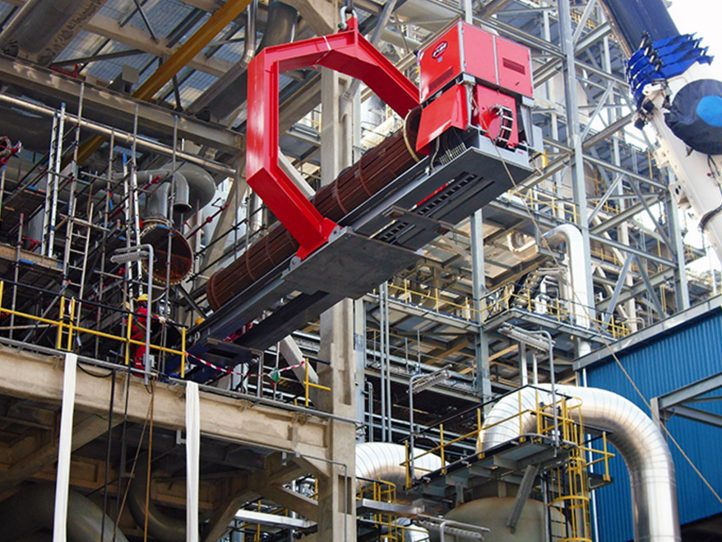
The tube bundle extractor is often nicknamed the "tube puller" because it can swiftly remove entire tube bundles from heat exchangers, making maintenance much easier and faster.
https://www.youtube.com/watch?v=bdf9bn0z7dE
hydraulic system

https://www.youtube.com/watch?v=xYycGenr6nk
A hydraulic system in a tube bundle extractor uses pressurized fluid to power the extraction and insertion of tube bundles in heat exchangers. It provides precise control and high force, ensuring efficient and safe handling of heavy bundles, minimizing manual labor and reducing downtime during maintenance operations.
control panel
A control panel in a tube bundle extractor manages the operation and safety of the equipment. It includes controls for hydraulic systems, monitors pressure and temperature, and ensures precise alignment and extraction of tube bundles. This enhances efficiency, reduces manual labor, and minimizes the risk of damage or accidents.
https://www.youtube.com/watch?v=2Wfnqe34uuc
mobility wheels

https://www.youtube.com/watch?v=axAoHz32uzg
Mobility wheels in a tube bundle extractor facilitate the efficient removal and transportation of tube bundles from heat exchangers. These wheels enhance maneuverability and stability, allowing operators to safely and easily position and extract heavy bundles, thereby improving maintenance efficiency and reducing downtime in industrial settings.
safety features

https://www.youtube.com/watch?v=WSO43CL2Ct0
A tube bundle extractor's safety features include secure clamping mechanisms to prevent slippage, emergency stop buttons for immediate shutdown, load sensors to prevent overloading, and protective guards to shield operators from moving parts. These features ensure safe and efficient handling during maintenance and replacement of heat exchanger tube bundles.
clamping mechanism
https://www.youtube.com/watch?v=OX9wcVkce4Q
A clamping mechanism in a tube bundle extractor securely holds and stabilizes the tube bundle during removal or maintenance. It ensures precise alignment and prevents damage by applying uniform pressure. This mechanism is crucial for safe and efficient handling, minimizing downtime and enhancing operational reliability in industrial heat exchangers.
support frame
https://www.youtube.com/watch?v=XhjYNUq120Q
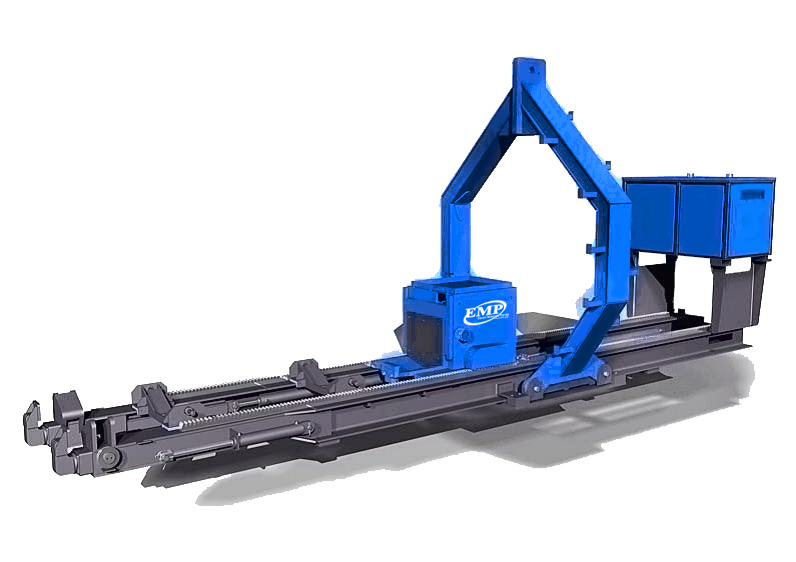
A support frame in a tube bundle extractor provides structural stability and alignment during maintenance or replacement of heat exchanger tubes. It ensures safe handling by distributing weight evenly, preventing damage, and facilitating efficient tube removal and installation, thereby enhancing operational safety and maintenance efficiency in industrial settings.
winch system
https://www.youtube.com/watch?v=GSbzrFCXGiI
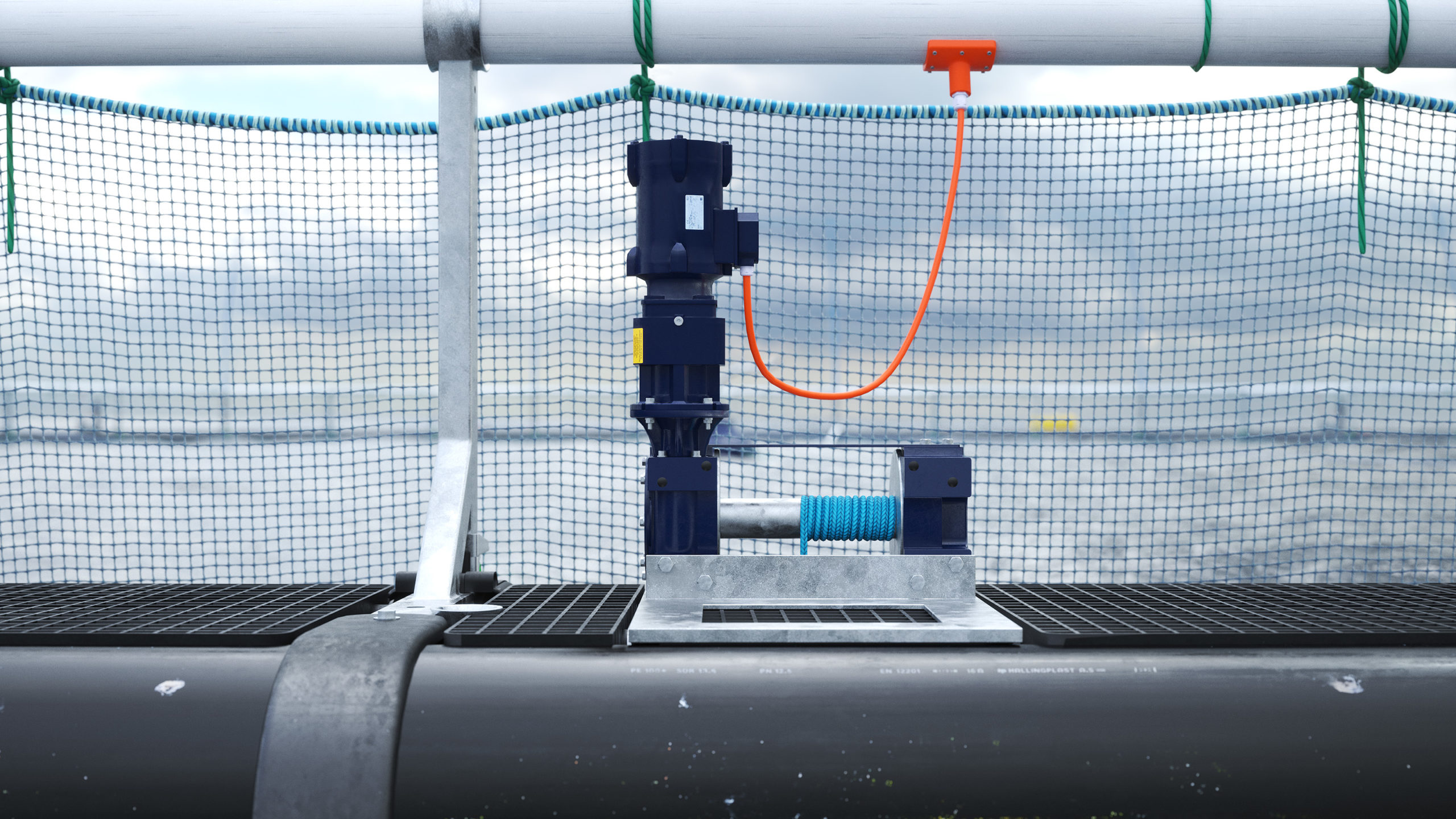
A winch system in a tube bundle extractor is a mechanical device used to efficiently remove and replace tube bundles from heat exchangers. It utilizes a motorized or manual winch to provide controlled lifting and lowering, ensuring safe and precise handling of heavy bundles during maintenance or replacement operations.
guide rails
https://www.youtube.com/watch?v=ZFFAq9gwCDI

Guide rails in a tube bundle extractor ensure precise alignment and smooth movement of the extractor mechanism. They facilitate the safe and efficient removal of tube bundles from heat exchangers by providing stability and reducing friction, thereby minimizing the risk of damage to both the equipment and the tubes.
mobile crane
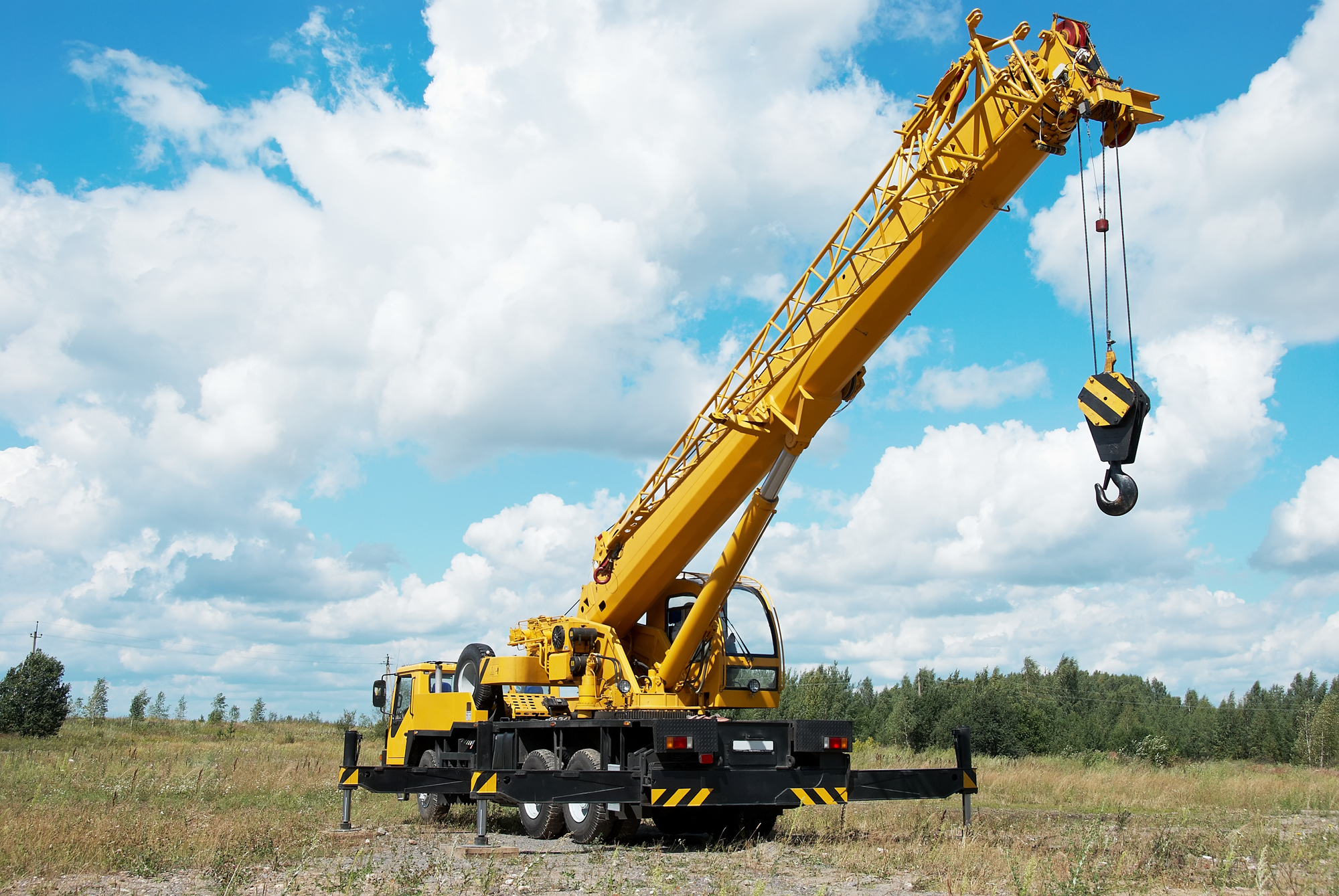
Mobile cranes can lift loads equivalent to the weight of 12 blue whales, thanks to their telescopic booms and hydraulic systems, making them incredibly powerful and versatile for construction and heavy lifting tasks.
https://www.youtube.com/watch?v=DmqTSxNgvio
boom
https://www.youtube.com/watch?v=G60-mTdMv9Q
In mobile cranes, the boom is the long, telescopic or fixed arm used to lift and move heavy loads. It provides the crane's reach and height capabilities, allowing it to maneuver materials efficiently. Booms can extend and retract, offering flexibility and precision in various construction and industrial applications.
counterweight
https://www.youtube.com/watch?v=FCV8o6o_oRc
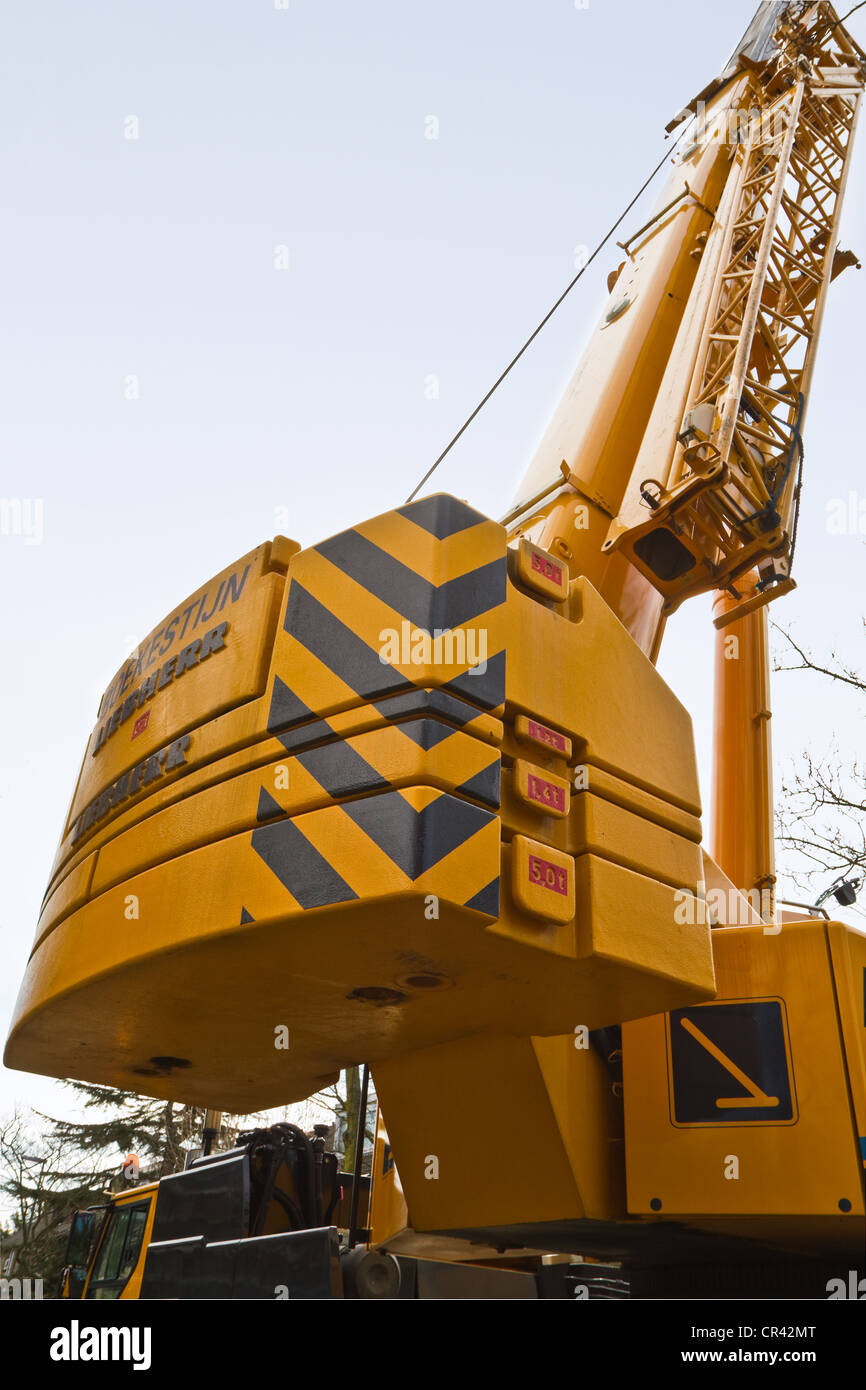
In mobile cranes, a counterweight is a crucial component that balances the crane's load, preventing tipping. It is strategically placed opposite the lifting arm to stabilize the crane during operation. By offsetting the weight of the lifted load, counterweights enhance safety and efficiency, allowing cranes to handle heavier loads securely.
hook
https://www.youtube.com/watch?v=kNmV9hhmv-Q
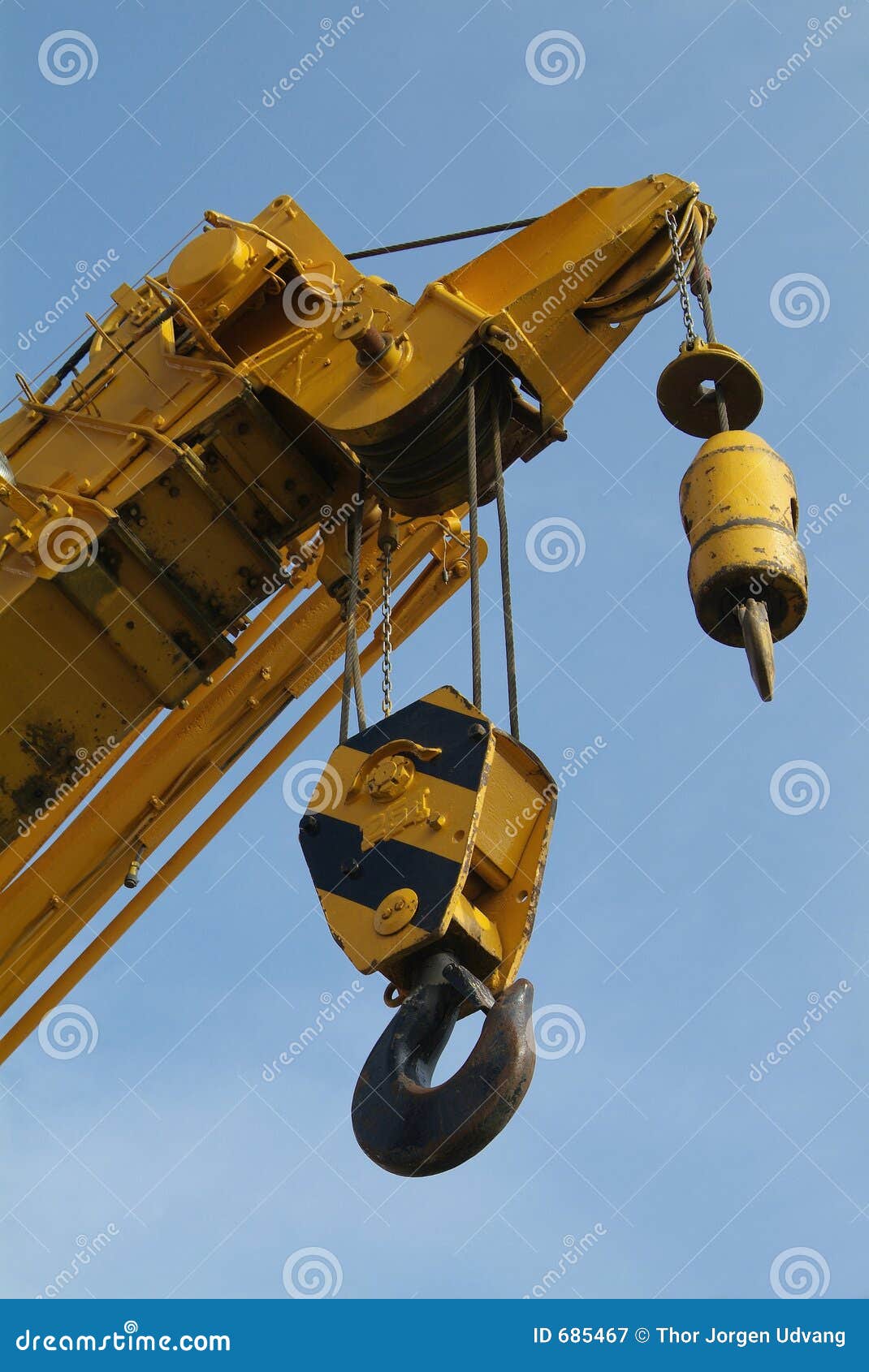
In mobile cranes, the hook is a critical component used to attach and lift loads securely. It is typically made of high-strength steel and designed to withstand heavy loads. The hook's design ensures safe lifting operations, with safety latches preventing accidental load release, enhancing operational safety and efficiency.
jib

https://www.youtube.com/watch?v=0xdWe2hBDY4
In mobile cranes, a jib is an extension attached to the main boom, increasing reach and flexibility. It allows the crane to lift loads at greater heights and distances, enhancing versatility in construction and industrial tasks. Jibs can be fixed or telescopic, adapting to various lifting requirements.
outriggers
https://www.youtube.com/watch?v=ojccZj5mjxQ
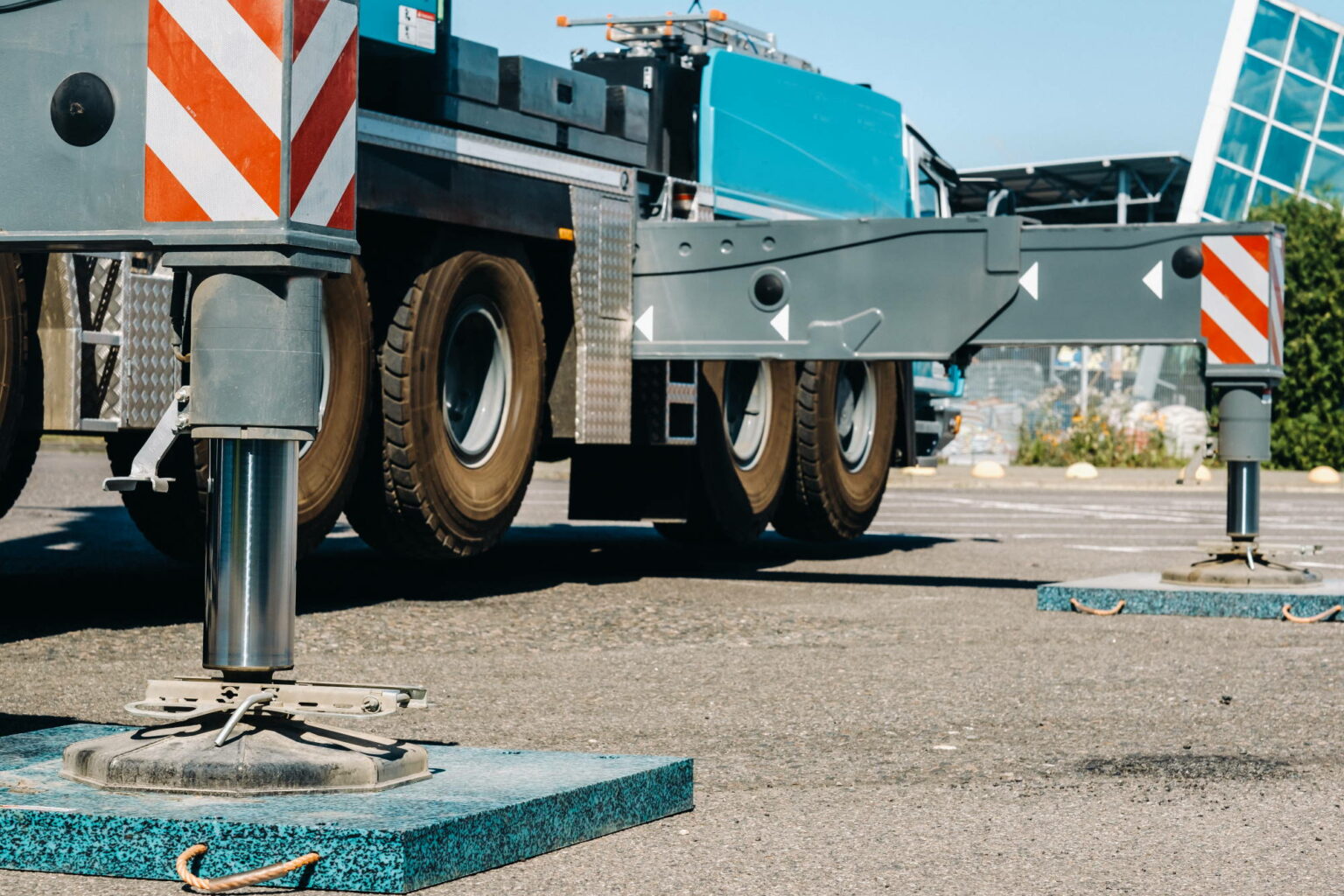
Outriggers are extendable supports used in mobile cranes to stabilize them during lifting operations. By distributing the crane's weight and load over a larger area, outriggers prevent tipping and enhance safety. They are crucial for maintaining balance, especially on uneven terrain, ensuring efficient and secure crane operation.
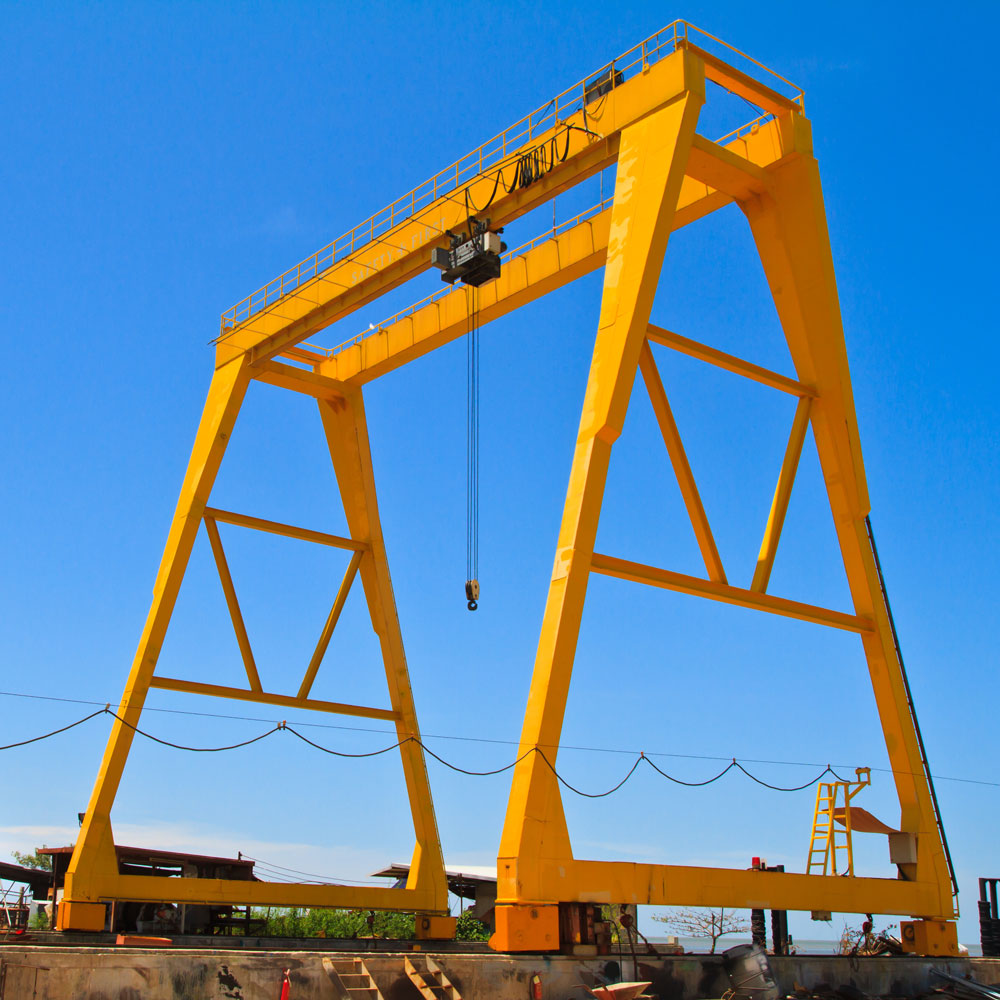
chassis
https://www.youtube.com/watch?v=IH8jgqqK6MY
In mobile cranes, the chassis is the structural framework that supports the crane's components, including the engine, cab, and boom. It provides stability and mobility, allowing the crane to move and operate safely. The chassis is designed to handle heavy loads and withstand various terrains, ensuring efficient crane operation.
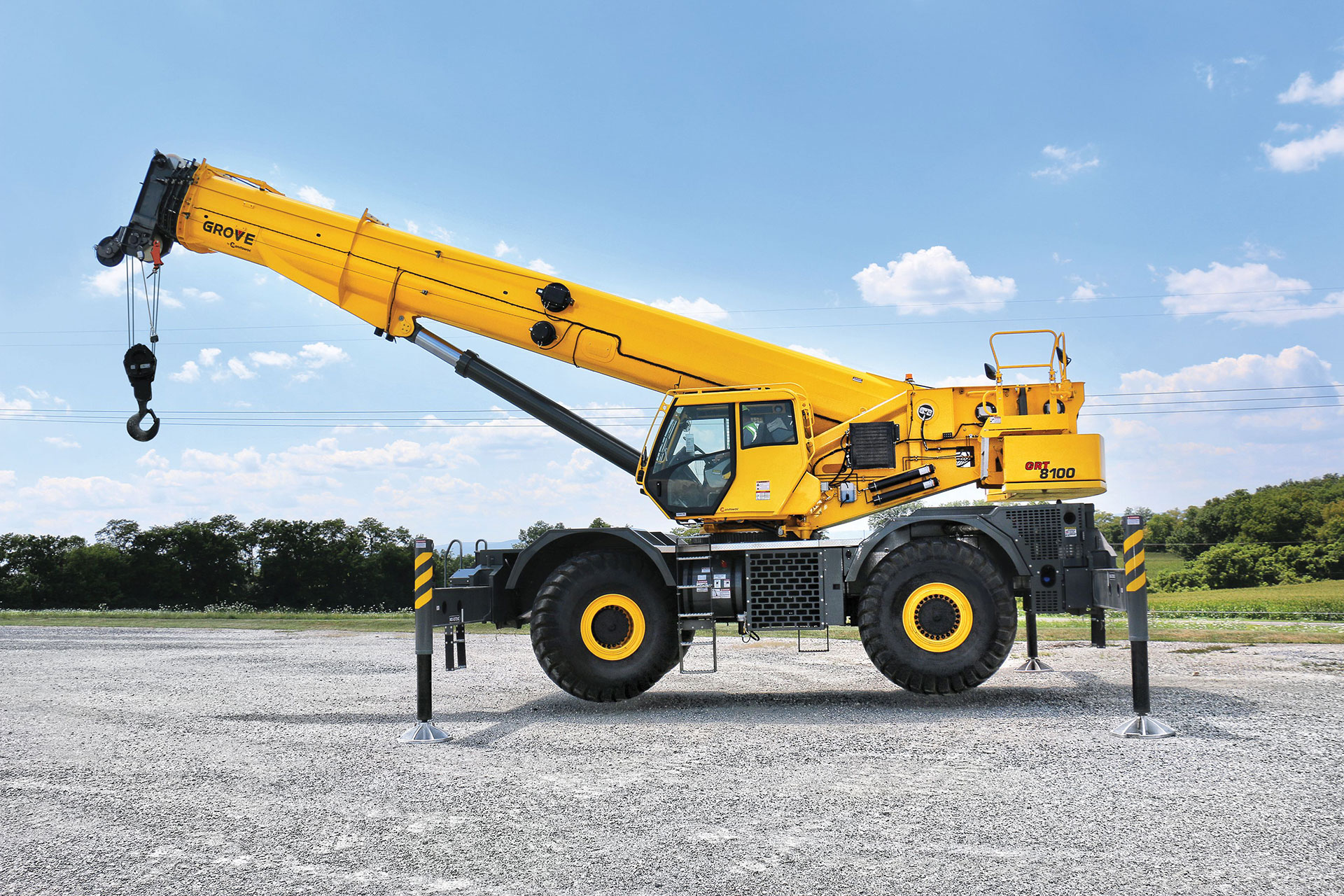
cab
https://www.youtube.com/watch?v=0IAH0hbldng
In mobile cranes, the cab is the operator's control center, providing visibility and access to controls for maneuvering the crane. It houses essential instruments, joysticks, and safety features, ensuring precise operation. Ergonomically designed, the cab enhances operator comfort and efficiency, crucial for safe and effective crane operation.
hydraulic system
https://www.youtube.com/watch?v=LuT96YyyVQo
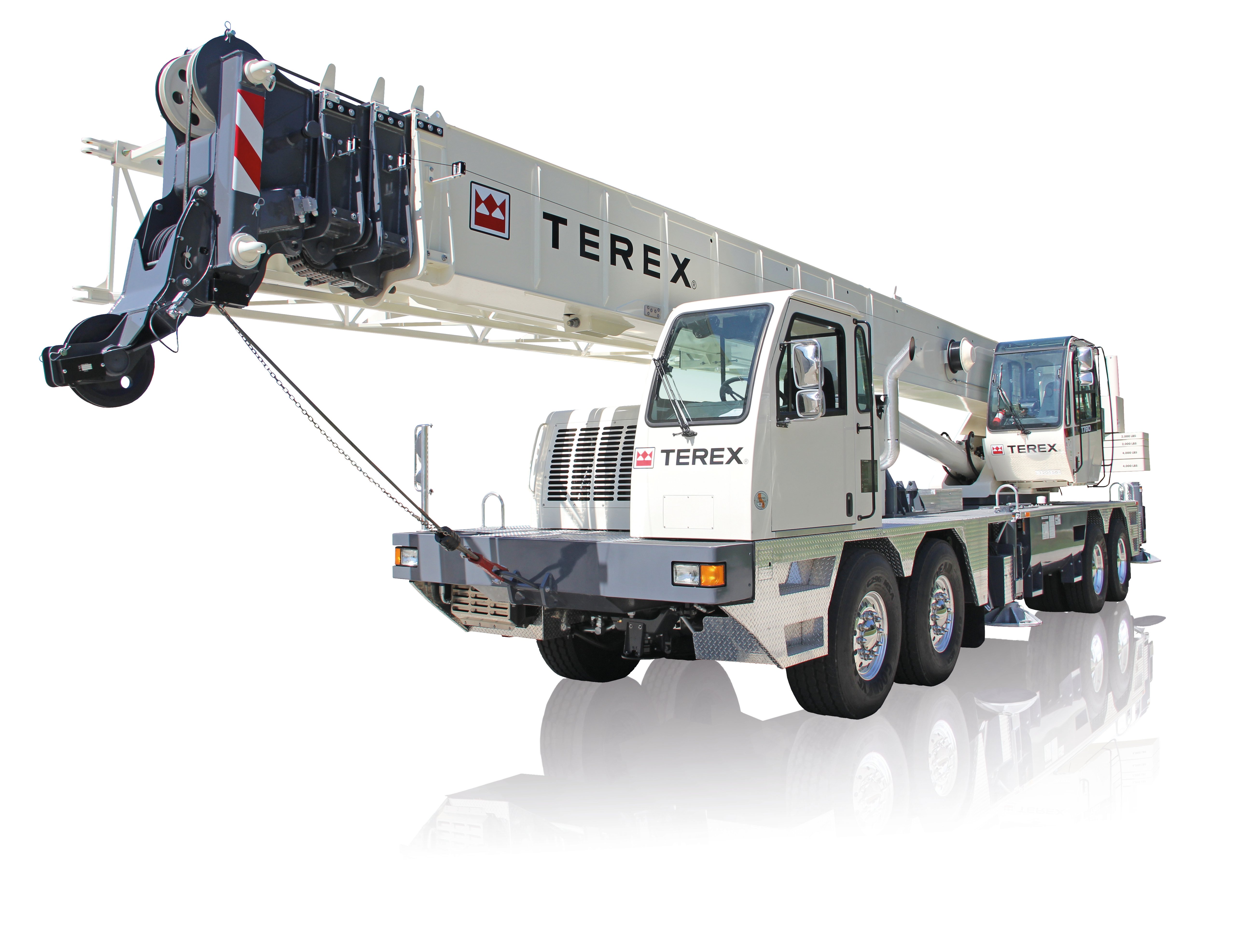
A mobile crane's hydraulic system uses pressurized fluid to transfer energy, enabling precise lifting and movement of heavy loads. It consists of a pump, valves, cylinders, and hoses, converting mechanical power into hydraulic energy. This system provides smooth, controlled operations, enhancing the crane's efficiency and safety in construction tasks.
AI Report
Essay
**The Importance of Mobile Cranes in Modern Construction**
Mobile cranes have become an essential tool in the construction industry, facilitating the movement and placement of heavy materials with efficiency and precision. These versatile machines are designed to operate on various terrains and in confined spaces, making them indispensable for construction projects ranging from small residential builds to large-scale industrial sites. This essay will explore the functionality, advantages, and safety considerations associated with mobile cranes, highlighting their significance in modern construction practices.
Mobile cranes are characterized by their ability to be easily transported from one location to another. Unlike traditional cranes that are fixed to one location, mobile cranes can be mounted on wheels or tracks, allowing them to navigate diverse job sites (Bishop, 2020). The most common types of mobile cranes include truck-mounted cranes, all-terrain cranes, and rough-terrain cranes, each tailored for specific operational requirements. For instance, truck-mounted cranes offer excellent maneuverability on paved roads, while rough-terrain cranes are designed for off-road applications, enabling them to handle uneven surfaces (Creech, 2021). This adaptability significantly enhances productivity, allowing construction teams to complete projects more efficiently.
One of the primary advantages of mobile cranes is their capacity to lift heavy loads safely and accurately. With lifting capacities that can exceed hundreds of tons, these cranes are equipped with advanced technology to ensure precise load placement (Smith & Jones, 2019). Features such as telescopic booms and hydraulic systems allow operators to extend and retract the crane’s reach, thereby increasing its versatility. Moreover, mobile cranes can operate in tight spaces where conventional cranes may not fit, making them ideal for urban construction projects where space is often limited (Bishop, 2020). This capability not only saves time but also reduces the need for additional equipment, resulting in cost savings for construction companies.
Safety is a paramount concern when operating mobile cranes, given the potential hazards associated with lifting heavy loads. Operators must undergo rigorous training and certification to ensure they can handle these machines properly (Creech, 2021). Additionally, construction sites must implement safety protocols, such as establishing exclusion zones and employing spotters to guide crane movements. Regular maintenance and inspections are also critical to ensure that mobile cranes remain in optimal working condition, minimizing the risk of accidents (Smith & Jones, 2019). By prioritizing safety, construction companies can protect their workers and ensure the smooth operation of their projects.
In conclusion, mobile cranes play a vital role in the construction industry by providing flexibility, efficiency, and safety in lifting and transporting heavy materials. Their ability to operate in various environments and their advanced lifting technologies make them a preferred choice for construction teams worldwide. As the construction industry continues to evolve, mobile cranes will remain a cornerstone of modern building practices, contributing to the successful completion of projects and shaping the skyline of our cities.
### References
Bishop, R. (2020). *Mobile cranes: Understanding their applications and advantages*. Construction Equipment Journal, 45(3), 24-30.
Creech, T. (2021). *The evolution of mobile crane technology*. Journal of Construction Engineering and Management, 147(5), 1-9. https://doi.org/10.1061/(ASCE)CO.1943-7862.0002051
Smith, J., & Jones, L. (2019). *Safety practices for mobile crane operations*. International Journal of Occupational Safety, 12(4), 15-22. https://doi.org/10.1016/j.ijos.2019.08.001
Lesson Plan
### Lesson Plan: Understanding Mobile Cranes - Operation and Maintenance
**Course Title:** Technical Vocational Education - Mobile Crane Operation and Maintenance
**Grade Level:** Technical Vocational Students (High School / Post-secondary)
**Duration:** 2 hours
**Objective:**
By the end of the lesson, students will be able to:
1. Understand the basic components and functions of mobile cranes.
2. Explain how mobile cranes operate.
3. Recognize the importance of regular maintenance and safety checks.
4. Demonstrate knowledge of maintenance procedures for mobile cranes.
---
### Materials Needed:
- Projector and screen (for presentations)
- Whiteboard and markers
- Handouts on mobile crane components and maintenance procedures
- Videos showing mobile crane operations
- Scale models or images of mobile cranes
- Safety gear (hard hats, gloves, safety glasses) for demonstration
- Maintenance checklist handout
---
### Lesson Outline:
#### **Introduction (15 minutes)**
- **Warm-up Discussion:**
- Ask students if they have seen or worked with cranes before. Discuss their experiences.
- **Objective Overview:**
- Present the lesson objectives and what students will learn.
#### **Part 1: Understanding Mobile Cranes (30 minutes)**
- **Presentation:**
- Define what a mobile crane is and its uses in construction and industry.
- Show different types of mobile cranes (e.g., truck-mounted, rough terrain, crawler cranes).
- **Activity:**
- Use scale models or images to identify and discuss the main components (boom, cab, counterweights, outriggers).
- **Video Demonstration:**
- Show a short video of mobile cranes in action, highlighting their operational capabilities.
#### **Part 2: How Mobile Cranes Work (30 minutes)**
- **Mechanics of Operation:**
- Discuss how mobile cranes operate (hydraulic systems, load handling, stability).
- Explain the principles of lifting and load charts.
- **Group Activity:**
- Divide students into small groups. Each group will discuss a specific type of mobile crane and present its unique operational features to the class.
#### **Part 3: Maintenance of Mobile Cranes (30 minutes)**
- **Importance of Maintenance:**
- Discuss why regular maintenance is crucial for safety and efficiency.
- **Maintenance Procedures:**
- Introduce maintenance checklists and schedules.
- Discuss daily checks (fluid levels, cable integrity, brake function).
- **Hands-On Demonstration:**
- If possible, demonstrate a basic maintenance procedure (e.g., checking fluid levels) on a mobile crane or a similar piece of equipment.
#### **Conclusion and Q&A (15 minutes)**
- Summarize key points:
- Components and operation of mobile cranes.
- Importance of maintenance.
- **Q&A Session:**
- Invite students to ask questions or share insights from their experiences.
#### **Assessment:**
- **Quiz:**
- Administer a short quiz covering key concepts discussed in the lesson (components, operation, maintenance procedures).
- **Group Reflection:**
- Have students write a brief reflection on what they learned and how they might apply this knowledge in the field.
---
### Follow-Up Assignment:
- Assign students to research a specific type of mobile crane and prepare a presentation or report on its applications, advantages, and maintenance requirements.
---
### Additional Resources:
- Recommended textbooks on crane operation and safety
- Links to online training programs or certification courses in crane operation
- Safety regulatory guidelines (e.g., OSHA) related to crane operation and maintenance
---
This lesson plan aims to provide students with a comprehensive understanding of mobile cranes, combining theoretical knowledge with practical applications to prepare them for careers in the technical vocational field.
Class Syllabus Outline
**Course Syllabus: Mobile Crane Operations and Safety**
**Course Title:** Mobile Crane Operations and Safety
**Course Code:** MCO 101
**Credits:** 3
**Semester:** Fall 2023
**Instructor:** [Instructor Name]
**Contact Information:** [Email Address] | [Phone Number]
**Office Hours:** [Days and Times]
---
### Course Description:
This course provides a comprehensive understanding of mobile crane operations, including types of cranes, their components, operational procedures, and safety regulations. Students will learn about the responsibilities of crane operators, rigging techniques, and best practices for ensuring safe and efficient crane operations.
### Course Objectives:
By the end of this course, students will be able to:
1. Identify different types of mobile cranes and their components.
2. Understand the principles of crane operation, including load charts and weight calculations.
3. Demonstrate safe rigging techniques and practices.
4. Comprehend regulatory requirements and safety standards related to crane operation.
5. Develop skills for conducting pre-operational inspections and identifying hazards.
### Required Texts and Materials:
- "Mobile Crane Operations" by [Author Name]
- OSHA regulations and safety guidelines (online access)
- Personal protective equipment (PPE) for practical demonstrations
### Course Outline:
**Week 1: Introduction to Mobile Cranes**
- Overview of mobile crane types: truck-mounted, crawler, and all-terrain
- Basic components and functions of mobile cranes
- Introduction to crane terminology
**Week 2: Crane Operations Fundamentals**
- Understanding crane load charts
- Calculating weight and center of gravity
- Principles of stability and balance
**Week 3: Rigging Basics**
- Types of rigging equipment (slings, hooks, shackles)
- Proper rigging techniques
- Load handling and signaling procedures
**Week 4: Safety Regulations and Standards**
- Overview of OSHA regulations for crane operations
- Importance of safety audits and inspections
- Case studies of crane accidents and lessons learned
**Week 5: Pre-Operational Inspections**
- Conducting daily inspections of mobile cranes
- Identifying common mechanical issues
- Safety checklists and documentation
**Week 6: Practical Training: Crane Operation**
- Hands-on training with mobile cranes (simulated environment)
- Operating under different load conditions
- Communication and coordination with ground crew
**Week 7: Advanced Rigging Techniques**
- Complex rigging scenarios
- Load dynamics and movement
- Analyzing rigging plans and setups
**Week 8: Emergency Procedures and Incident Management**
- Emergency response plans for crane operations
- Reporting and documenting incidents
- Risk assessment and mitigation strategies
**Week 9: Review and Preparation for Final Assessment**
- Review of key concepts from previous weeks
- Preparation for final project and assessment
**Week 10: Final Project Presentations**
- Students present a comprehensive crane operation plan, including safety considerations
- Peer evaluations and feedback
### Assessment and Grading:
- Participation and Attendance: 10%
- Quizzes (3 total): 30% (10% each)
- Practical Skills Assessment: 30%
- Final Project: 30%
### Course Policies:
- **Attendance:** Regular attendance is essential for success in this course. Students are expected to attend all classes and participate actively.
- **Late Assignments:** Late assignments will incur a penalty unless prior arrangements are made with the instructor.
- **Academic Integrity:** Plagiarism and cheating will not be tolerated and will result in disciplinary action.
### Resources:
- [University Library] for additional readings and resources
- Online forums and discussion groups for peer interaction
- Local crane operation sites for potential field trips
### Contact Information:
For any course-related inquiries, please feel free to reach out via email or during office hours.
---
**Note:** This syllabus is subject to change based on the needs of the class and the instructor’s discretion. Students will be notified in advance of any changes.
Learning Objectives
### Learning Objectives for Mobile Crane Course
By the end of this course, technical vocational students will be able to:
1. **Understand Mobile Crane Basics**
- Define the fundamental components and functions of mobile cranes.
- Identify different types of mobile cranes and their specific applications in various industries.
2. **Safety Protocols and Regulations**
- Explain the key safety regulations and standards governing mobile crane operations.
- Identify potential hazards associated with mobile crane operation and outline strategies for risk mitigation.
3. **Operational Techniques**
- Demonstrate proper procedures for inspecting, operating, and maintaining mobile cranes.
- Perform basic maneuvers with a mobile crane, including lifting, lowering, and transporting loads safely.
4. **Load Handling and Rigging**
- Describe the principles of load handling and the importance of weight distribution and center of gravity.
- Select and utilize appropriate rigging equipment for various types of loads.
5. **Site Management and Planning**
- Assess job site conditions and plan crane operations accordingly to ensure efficiency and safety.
- Collaborate with team members to coordinate crane operations in dynamic environments.
6. **Problem Solving and Troubleshooting**
- Identify common operational issues and implement problem-solving strategies to address them effectively.
- Analyze real-world scenarios to develop critical thinking skills related to crane operation challenges.
7. **Environmental Considerations**
- Discuss the environmental impact of mobile crane operations and identify best practices for minimizing ecological footprints.
8. **Hands-On Experience**
- Engage in practical exercises to enhance skills in mobile crane operation and maintenance.
- Complete a capstone project that involves planning and executing a simulated crane operation safely and effectively.
### Assessment Methods:
- Written exams to assess theoretical knowledge.
- Practical assessments to evaluate hands-on skills.
- Group projects to foster teamwork and collaborative problem-solving.
Quiz Questions
Sure! Here are five multiple-choice questions about mobile cranes, along with their answers:
### Question 1:
What is the primary function of a mobile crane?
A) To transport heavy loads over long distances
B) To lift and move heavy materials at construction sites
C) To drill holes in the ground
D) To provide electrical power to construction sites
**Answer:** B) To lift and move heavy materials at construction sites
---
### Question 2:
Which of the following is a common type of mobile crane?
A) Tower crane
B) Crawler crane
C) Gantry crane
D) A-frame crane
**Answer:** B) Crawler crane
---
### Question 3:
What is the key factor that affects the stability of a mobile crane?
A) The color of the crane
B) The height of the load
C) The weight of the load and the position of outriggers
D) The weather conditions
**Answer:** C) The weight of the load and the position of outriggers
---
### Question 4:
What safety feature is commonly used to prevent a mobile crane from lifting loads that exceed its capacity?
A) Load indicator
B) Color-coded cables
C) Automatic leveling system
D) GPS tracking
**Answer:** A) Load indicator
---
### Question 5:
Which type of mobile crane is best suited for rough terrain?
A) Truck-mounted crane
B) All-terrain crane
C) Mini crane
D) Static crane
**Answer:** B) All-terrain crane
---
Feel free to use or modify these questions as needed!