AI Conversation
Final Presentation fof Graduate Visual Research

Graduate visual research final presentations often feature innovative multimedia displays, allowing students to creatively showcase their research findings through interactive installations, digital art, or virtual reality, making the experience both informative and engaging for the audience.
https://www.youtube.com/watch?v=dh0pJdgY6Lc
introduction

https://www.youtube.com/watch?v=P2LwuF7zn9c
The introduction of a final presentation in graduate visual research sets the stage by outlining the research question, objectives, and significance. It provides context, highlights key methodologies, and establishes the framework for the visual narrative, engaging the audience and guiding them through the research journey and its anticipated contributions.
q&a session
https://www.youtube.com/watch?v=c5JGl3jZb2M
The Q&A session of the final presentation for graduate visual research was engaging and insightful. Students addressed complex questions, showcasing their deep understanding and innovative approaches. Faculty and peers provided constructive feedback, fostering a collaborative learning environment. The session highlighted the students' analytical skills and the impact of their visual research.
literature review
https://www.youtube.com/watch?v=iTfYNisRe3o
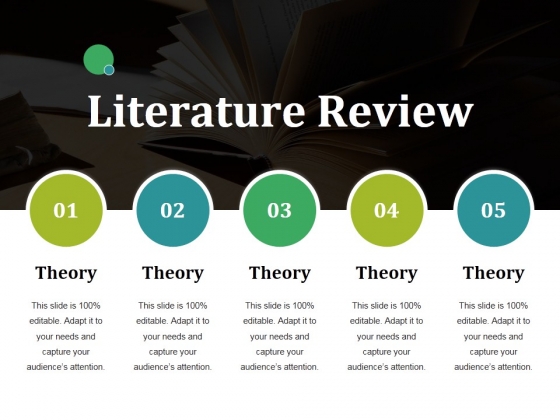
The literature review for a graduate visual research presentation synthesizes key theories, methodologies, and findings relevant to the study. It highlights gaps in existing research, contextualizes the project's significance, and establishes a foundation for the research question. This critical analysis guides the visual investigation and supports the presentation's conclusions.
data analysis

https://www.youtube.com/watch?v=jizZKNnx9wA
Data analysis in a graduate visual research presentation involves interpreting complex datasets to uncover patterns and insights. It emphasizes visual storytelling, using charts and graphs to communicate findings effectively. The goal is to present data-driven conclusions that support research hypotheses, fostering a deeper understanding of the studied phenomena.
discussion
https://www.youtube.com/watch?v=1RwKhZDErY0
The final presentation for graduate visual research focused on showcasing innovative methodologies, critical analyses, and creative outcomes. Discussions highlighted the integration of technology in visual arts, the impact of cultural narratives, and the importance of interdisciplinary approaches. Feedback emphasized clarity, originality, and the potential for future research expansion.
conclusion

https://www.youtube.com/watch?v=S5c1susCPAE
In the final presentation of graduate visual research, the conclusion encapsulates the project's key findings, emphasizing the significance of visual methodologies in addressing research questions. It highlights the innovative contributions to the field, reflects on the research process, and suggests future directions for continued exploration and application.
visualizations

https://www.youtube.com/watch?v=5ucMFqNUphk
Visualizations in a graduate visual research presentation effectively communicate complex data, highlight key findings, and engage the audience. They transform abstract concepts into intuitive graphics, enhancing understanding and retention. By integrating charts, graphs, and infographics, visualizations provide clarity, support arguments, and facilitate insightful discussions, making the research accessible and impactful.
methodology
https://www.youtube.com/watch?v=YpnexrLZBT4
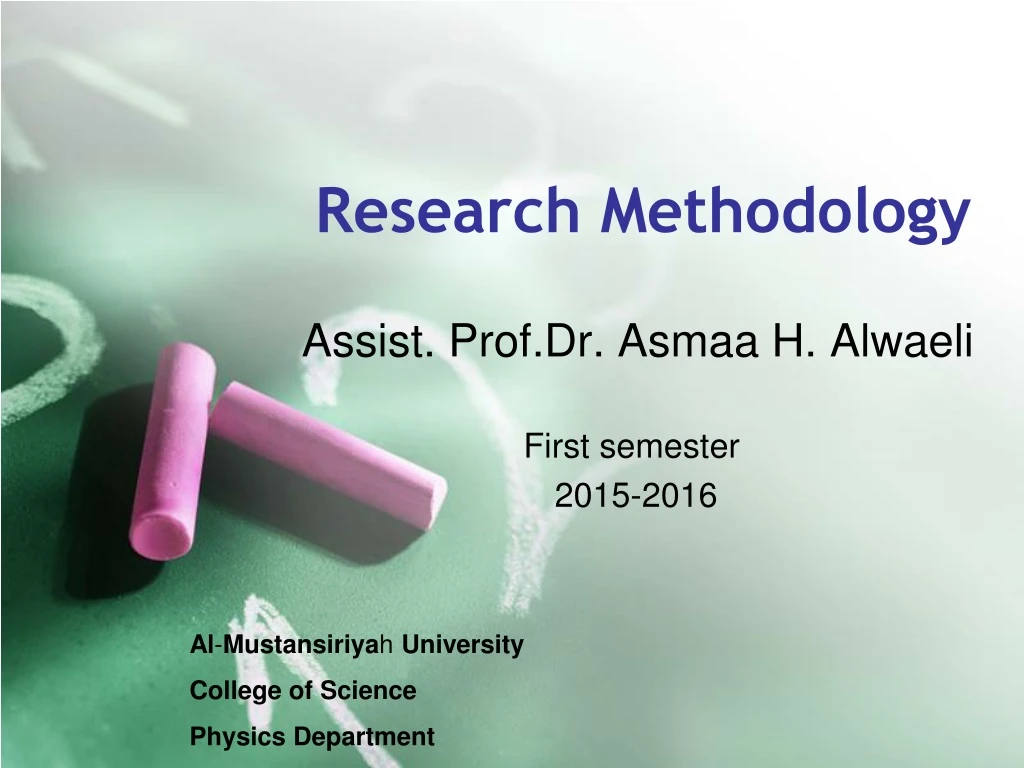
The methodology section of a graduate visual research presentation outlines the systematic approach used to gather, analyze, and interpret visual data. It includes the research design, data collection techniques, analytical frameworks, and tools employed, ensuring transparency and rigor in addressing the research questions and achieving the study's objectives.
AI Report
Essay
# Final Presentation of Graduate Visual Research
The culmination of a graduate program often involves a final presentation that showcases the research conducted throughout the course of study. For students in visual research, this presentation serves as an opportunity to demonstrate their understanding of visual methodologies and to communicate their findings effectively. This essay discusses the significance of the final presentation in graduate visual research, the essential elements of an effective presentation, the role of visual aids, and the importance of audience engagement.
The final presentation is a critical component of the graduate experience, as it allows students to synthesize their research and convey their insights to peers, faculty, and industry professionals. According to Boud and Falchikov (2007), presenting research findings is not only an exercise in public speaking but also a vital skill that supports the dissemination of knowledge within academic and professional communities. This presentation provides a platform for students to articulate their research questions, methodologies, results, and implications clearly, showcasing their intellectual growth and mastery of visual research techniques.
An effective final presentation must include several key elements to engage the audience and convey complex information succinctly. First, a clear structure is essential; students should begin with an introduction that outlines the purpose of their research and the significance of their findings. The body of the presentation should delve into the methodology and key results, while the conclusion should highlight the implications of the research and suggest areas for future study (Meyer, 2011). Furthermore, students should practice their delivery to ensure clarity and confidence, which can significantly impact audience perception and engagement (Gallo, 2014).
Visual aids play a crucial role in enhancing the effectiveness of a final presentation in visual research. Utilizing images, graphs, and other visual elements can help to illustrate complex ideas and data in a more digestible format. Research by Mayer (2009) suggests that visual aids can improve information retention and understanding, especially when they complement spoken words. Therefore, it is vital for presenters to integrate high-quality visuals that reinforce their key messages and to avoid cluttered slides that may distract from the main points. A well-designed visual presentation not only captures the audience's attention but also enhances the overall impact of the research being presented.
Engaging the audience is another critical aspect of a successful final presentation. Interactive elements, such as Q&A sessions or live demonstrations, can foster a more dynamic atmosphere and encourage audience participation. As noted by Tufte (2006), the goal of a presentation should be to create a dialogue rather than a monologue, allowing for the exchange of ideas and feedback. By actively involving the audience, presenters can gain valuable insights and foster connections that may benefit their future careers in visual research.
In conclusion, the final presentation of graduate visual research is a significant milestone that requires careful planning, effective communication, and audience engagement. By incorporating essential elements such as a clear structure and impactful visuals, students can convey their findings compellingly and persuasively. As they develop their presentation skills, they not only enhance their academic experience but also prepare themselves for future professional opportunities in the ever-evolving field of visual research.
### References
Boud, D., & Falchikov, N. (2007). *Rethinking Assessment in Higher Education: Learning for the Future*. Routledge.
Gallo, C. (2014). *Talk Like TED: The 9 Public-Speaking Secrets of the World's Top Minds*. St. Martin's Press.
Mayer, R. E. (2009). *Multimedia Learning* (2nd ed.). Cambridge University Press.
Meyer, K. A. (2011). *The Importance of Structuring Your Presentation*. *The Journal of Higher Education*, 82(4), 400-423.
Tufte, E. R. (2006). *The Cognitive Style of PowerPoint: Pitching Out Corrupts Within*. Graphics Press.
Lesson Plan
### Lesson Plan: Final Presentation for Graduate Visual Research
**Subject:** Visual Research Techniques
**Grade Level:** Technical Vocational Students
**Duration:** 2 hours
**Materials Needed:**
- Projector and screen
- Whiteboard and markers
- Handouts with examples of visual research presentations
- Access to computers/tablets (optional)
- Evaluation rubric for presentations
#### Lesson Objectives:
By the end of this lesson, students will be able to:
1. Understand the purpose and components of a final presentation in visual research.
2. Discuss best practices for creating and maintaining an effective visual presentation.
3. Create a basic outline for their own final presentation.
#### Lesson Outline:
**Introduction (20 minutes)**
- **Icebreaker Activity:** Ask students to share their experiences with presentations. What has worked for them in the past? What challenges have they faced?
- **Overview of Final Presentations:** Introduce the concept of final presentations in visual research. Explain their significance in showcasing research findings and visual storytelling.
**Direct Instruction (30 minutes)**
- **Components of a Final Presentation:**
- Title Slide: Project title, student name, and date.
- Introduction: Brief overview of the research question or problem.
- Methodology: Explanation of research methods used.
- Findings: Presentation of key findings supported by visuals (charts, images, videos).
- Conclusion: Summary of findings and their implications.
- Q&A: Prepare to engage the audience with questions.
- **Best Practices for Creating Visual Presentations:**
- Design Principles: Importance of aesthetics (color, font, layout).
- Visual Hierarchy: How to highlight the most important information.
- Consistency: Maintaining a consistent theme throughout the presentation.
- Engaging the Audience: Tips for effective delivery (eye contact, voice modulation).
- **Maintenance of Presentations:**
- Backing Up Work: Importance of saving presentations in multiple formats.
- Updates and Revisions: How to keep presentations current and relevant.
- Technical Check: Ensuring compatibility across devices and platforms.
**Activity (30 minutes)**
- **Group Brainstorming Session:** Divide students into small groups. Each group will choose a topic related to their field of study and brainstorm ideas for their final presentation. Encourage them to think about how they will structure the presentation and what visual elements they will include.
- **Outline Creation:** Each group will create a basic outline of their presentation, including key components discussed in the lesson.
**Presentation Preparation (30 minutes)**
- If computers/tablets are available, allow students to start developing their presentation slides using software (e.g., PowerPoint, Google Slides).
- Encourage students to incorporate visuals and design elements discussed earlier.
**Conclusion (10 minutes)**
- **Recap of Key Points:** Summarize the key components of a successful final presentation and the importance of maintenance.
- **Q&A Session:** Allow students to ask any questions they may have about the material covered or about their upcoming presentations.
**Assessment:**
- **Peer Review:** If time allows, have groups present their outlines to the class for feedback.
- **Evaluation Rubric:** Provide a rubric that outlines how their final presentations will be assessed, focusing on content, design, and delivery.
**Follow-Up:**
- Encourage students to continue developing their presentations and offer office hours for additional support.
- Plan a mock presentation day where students can practice in front of their peers and receive constructive feedback.
### Adaptations:
- For students who may struggle with technology, provide additional resources or one-on-one assistance.
- Allow for different formats based on student preferences (e.g., video presentations, poster boards).
### Resources:
- Links to presentation design tools (Canva, Prezi)
- Examples of successful visual research presentations (videos or slides)
- Articles or videos on public speaking tips.
This lesson plan aims to equip students with the skills and confidence to effectively communicate their visual research findings in a professional setting.
Class Syllabus Outline
# Syllabus for Graduate Visual Research: Final Presentation
## Course Information
**Course Title:** Final Presentation for Graduate Visual Research
**Course Code:** VSR 699
**Semester:** Spring 2024
**Credits:** 3
**Instructor:** [Instructor Name]
**Email:** [Instructor Email]
**Office Hours:** [Days & Times]
## Course Description
This course serves as the culmination of the Graduate Visual Research program. Students will prepare and deliver a comprehensive final presentation of their research projects, showcasing their findings, methodologies, and visual outcomes. Emphasis will be placed on effective communication strategies, visual storytelling, and critical feedback.
## Course Objectives
By the end of this course, students will be able to:
1. Synthesize and articulate their visual research findings effectively.
2. Utilize various presentation tools and techniques to enhance audience engagement.
3. Critically evaluate peer presentations and provide constructive feedback.
4. Develop a professional portfolio piece based on their final presentation.
## Required Materials
- Laptop or tablet with presentation software (e.g., PowerPoint, Keynote, Prezi)
- Access to visual research materials (images, videos, etc.)
- [Any additional readings or resources]
## Course Schedule
### Week 1: Introduction to Final Presentations
- Overview of course objectives and expectations
- Discussion on the importance of presentation skills in visual research
- Introduction to various presentation formats
### Week 2: Structuring Your Presentation
- Components of a successful presentation: Introduction, Body, Conclusion
- How to create a narrative arc in your presentation
- Workshop: Mapping out your presentation structure
### Week 3: Visual Storytelling Techniques
- The role of visuals in storytelling
- Best practices for integrating images, videos, and other media
- Case studies of effective visual presentations
### Week 4: Engaging Your Audience
- Techniques for capturing and maintaining audience attention
- The importance of body language and vocal delivery
- Workshop: Practicing engagement strategies
### Week 5: Presentation Tools and Technology
- Overview of available presentation software and tools
- Tips for creating visually appealing slides
- Hands-on session: Designing presentation slides
### Week 6: Peer Review and Feedback
- Strategies for giving and receiving constructive feedback
- Peer presentation practice sessions
- Group feedback discussions
### Week 7: Final Presentation Rehearsals
- Individual rehearsals with peer and instructor feedback
- Focus on timing, pacing, and flow of the presentation
- Final adjustments and refinements
### Week 8: Final Presentations
- Students present their final projects to the class
- Q&A sessions following each presentation
- Class feedback and reflections
### Week 9: Reflection and Portfolio Development
- Reflecting on the presentation experience
- How to incorporate feedback into future work
- Creating a professional portfolio piece based on the presentation
## Assessment and Grading
- **Final Presentation (50%)**: Evaluation based on clarity, engagement, content, and visual execution.
- **Peer Feedback Participation (20%)**: Quality and thoughtfulness of feedback provided to peers.
- **Presentation Materials (20%)**: Quality and professionalism of presentation materials (slides, handouts, etc.).
- **Reflection Paper (10%)**: A 2-3 page reflection on the presentation experience, including lessons learned and future applications.
## Policies
- **Attendance:** Regular attendance is mandatory. More than two absences may result in a lower grade.
- **Late Assignments:** Late submissions will incur a grade penalty unless prior arrangements have been made.
- **Academic Integrity:** Students are expected to uphold the highest standards of academic honesty. Any form of cheating or plagiarism will result in disciplinary action.
## Additional Resources
- [List of useful resources, including books, articles, and online tools related to visual research and presentations]
## Contact Information
For any questions or concerns regarding the course, please feel free to reach out during office hours or via email.
---
**Note:** This syllabus is a tentative outline and may be adjusted as needed throughout the semester.
Learning Objectives
### Learning Objectives for Final Presentation in Graduate Visual Research (Technical Vocational Students)
1. **Articulate Research Findings**: Students will be able to clearly and effectively articulate their research findings, demonstrating a comprehensive understanding of their visual research project.
2. **Employ Visual Communication**: Students will utilize appropriate visual communication techniques to enhance their presentations, including the use of slides, infographics, and other visual aids.
3. **Demonstrate Critical Thinking**: Students will analyze and interpret their research data critically, showcasing their ability to draw meaningful conclusions and implications from their findings.
4. **Engage the Audience**: Students will develop strategies to engage and maintain the audience’s interest throughout their presentation, employing storytelling techniques and interactive elements where appropriate.
5. **Receive and Incorporate Feedback**: Students will demonstrate the ability to receive constructive feedback on their presentation and apply this feedback to improve their presentation skills and content.
6. **Practice Professional Presentation Skills**: Students will exhibit professional presentation skills, including effective verbal communication, body language, and time management during their final presentation.
7. **Reflect on the Research Process**: Students will reflect on their research process, discussing the challenges faced, lessons learned, and the overall impact of their visual research project on their professional development.
8. **Collaborate and Network**: Students will have opportunities to collaborate with peers and network with industry professionals, discussing their work and gaining insights into potential career pathways in the visual research field.
9. **Utilize Technology Effectively**: Students will demonstrate proficiency in using presentation software and technology tools to create and deliver their presentations effectively.
10. **Prepare for Future Endeavors**: Students will prepare for future academic or professional presentations by developing a portfolio of their work and refining their presentation style based on peer and instructor evaluations.
These objectives aim to equip students with the essential skills and knowledge needed to present their visual research effectively and prepare them for professional environments.
Quiz Questions
Here are five multiple-choice questions about a Final Presentation for Graduate Visual Research, along with their answers:
### Question 1:
What is the primary goal of a Final Presentation in a Graduate Visual Research program?
A) To showcase personal artistic style
B) To summarize research findings and demonstrate understanding of visual concepts
C) To critique peers' work
D) To fulfill a requirement for graduation
**Answer:** B) To summarize research findings and demonstrate understanding of visual concepts
---
### Question 2:
Which of the following components is typically included in a Final Presentation?
A) A detailed explanation of the research process
B) A personal biography of the presenter
C) A series of unrelated images
D) A list of all the books read during the program
**Answer:** A) A detailed explanation of the research process
---
### Question 3:
During a Final Presentation, how important is audience engagement?
A) Not important; the focus should be solely on the slides
B) Somewhat important; a few questions can be taken at the end
C) Very important; engaging the audience fosters a better understanding of the work
D) Only important for presentations to non-academic audiences
**Answer:** C) Very important; engaging the audience fosters a better understanding of the work
---
### Question 4:
What is a common visual aid used in Final Presentations for Graduate Visual Research?
A) Hand-drawn sketches on paper
B) PowerPoint or digital slides
C) Printed brochures
D) A flip chart with markers
**Answer:** B) PowerPoint or digital slides
---
### Question 5:
What is an effective way to handle questions from the audience during a Final Presentation?
A) Ignore them and continue with the presentation
B) Answer them briefly and move on quickly
C) Encourage questions throughout the presentation to foster interaction
D) Only address questions at the end to maintain flow
**Answer:** C) Encourage questions throughout the presentation to foster interaction
---
Feel free to adjust the questions or answers according to specific content or focus areas of your course!