AI Conversation
Mid Semester Review

A fun fact about mid-semester reviews is that they often boost student performance; feedback helps students identify strengths and areas for improvement, leading to better engagement and higher final grades.
https://www.youtube.com/watch?v=HnCiP9o6sa0
progress tracking

https://www.youtube.com/watch?v=yfejnSKRfng
Mid-semester reviews are crucial for progress tracking, offering students and educators insights into academic performance. They identify strengths and areas for improvement, enabling timely interventions. By assessing goals and adjusting strategies, these reviews foster accountability and motivation, ensuring students stay on track for successful semester completion.
assessment
https://www.youtube.com/watch?v=_9Gr4cE4S0I
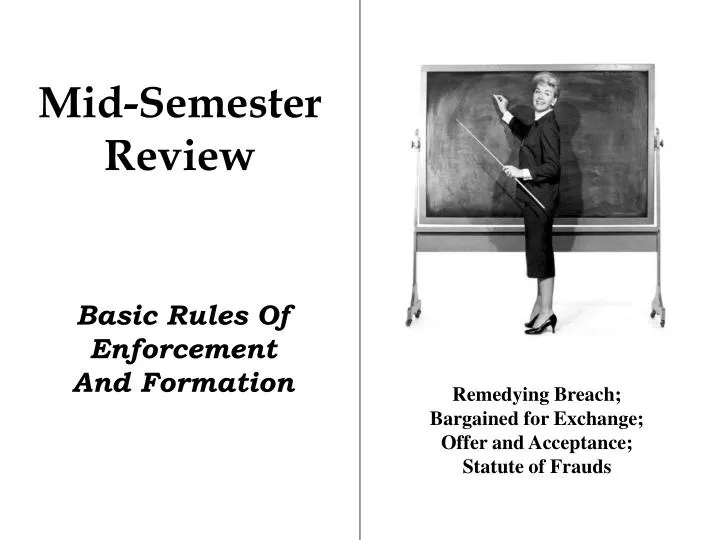
Mid-semester assessments provide a crucial checkpoint for evaluating student progress and understanding. They offer insights into learning gaps, guide instructional adjustments, and enhance student engagement. By identifying strengths and areas for improvement, these reviews help tailor teaching strategies, ensuring students stay on track for successful course completion.
feedback
https://www.youtube.com/watch?v=9vVSeNFfSP0

Mid-semester feedback provides valuable insights into course effectiveness, allowing instructors to adjust teaching methods and address student concerns. It fosters open communication, enhances learning experiences, and boosts student engagement. Constructive feedback helps identify strengths and areas for improvement, ensuring a more tailored and responsive educational environment for the remainder of the semester.
learning objectives

https://www.youtube.com/watch?v=syqwcaQd7Gs
Mid-semester reviews focus on assessing learning objectives to ensure students meet course goals. They provide an opportunity to evaluate progress, identify areas needing improvement, and adjust teaching strategies. This process enhances understanding, reinforces key concepts, and aligns student efforts with expected outcomes, fostering a more effective and targeted learning experience.
instructor reflection

Instructor reflection during a mid-semester review involves evaluating teaching effectiveness, student engagement, and learning outcomes. It provides an opportunity to adjust instructional strategies, address student feedback, and enhance course delivery. This reflective practice fosters continuous improvement, ensuring that both teaching methods and student experiences are optimized for better educational outcomes.
https://www.youtube.com/watch?v=LRQ16XyS9-Y
student engagement

Mid-semester reviews enhance student engagement by providing timely feedback, identifying learning gaps, and fostering communication between students and instructors. This process encourages active participation, self-reflection, and motivation, ultimately improving academic performance and satisfaction. By addressing concerns early, it supports a more personalized learning experience and strengthens the educational environment.
https://www.youtube.com/watch?v=LOsEsBW56MQ
course adjustment
https://www.youtube.com/watch?v=YunWkFMmERI
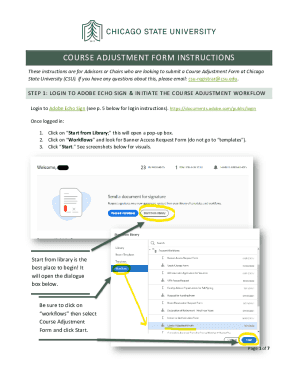
Mid-semester course adjustments involve evaluating student feedback and performance to enhance learning outcomes. Instructors may modify teaching methods, update materials, or adjust assessment strategies. This proactive approach ensures alignment with course objectives, addresses student needs, and fosters a more effective and engaging educational experience for the remainder of the term.
resource evaluation
https://www.youtube.com/watch?v=PcKCLS7v6Uw
Resource evaluation during a mid-semester review involves assessing the effectiveness and allocation of educational materials, faculty, and facilities. It aims to identify gaps, optimize resource use, and enhance student learning outcomes. Feedback from students and staff is crucial to ensure resources align with academic goals and improve overall educational quality.
AI Report
Essay
### Mid Semester Review: Evaluating Progress and Setting Goals
The mid-semester review is an essential practice in the academic calendar that allows students and educators to assess progress and recalibrate goals. This review serves as a critical checkpoint for evaluating the effectiveness of learning strategies and academic performance. During this period, students can reflect on their achievements and challenges faced during the first half of the semester, which ultimately informs their approach for the remainder of the academic term (Smith, 2023).
One of the primary benefits of conducting a mid-semester review is the opportunity for self-reflection. Students can analyze their academic performance in various subjects, identify areas of strength, and recognize weaknesses that require more focus. This process encourages students to take ownership of their learning journey, promoting a sense of accountability and motivation (Jones & Taylor, 2022). By engaging in self-assessment, students can develop a clearer understanding of their academic habits and the effectiveness of their study techniques.
Additionally, mid-semester reviews can facilitate meaningful conversations between students and educators. Teachers can provide valuable feedback on students' progress, helping them understand where they stand in relation to their goals. This interaction fosters an environment of open communication, where educators can offer support and resources tailored to individual needs (Adams, 2023). For many students, this feedback is crucial in adjusting their learning strategies to improve academic performance in the latter half of the semester.
Moreover, a mid-semester review allows for the adjustment of goals and strategies. As students gain insights from their performance and feedback from instructors, they can refine their objectives to make them more realistic and achievable. Adopting a growth mindset during this review period encourages resilience and adaptability, essential traits for success in both academic and personal pursuits (Dweck, 2016). By setting new goals based on their reflections, students can approach their studies with renewed focus and commitment.
In conclusion, the mid-semester review is a pivotal moment in the academic cycle that benefits both students and educators. It fosters self-reflection, enhances communication, and encourages goal adjustment, all of which are vital for academic success. By actively engaging in this process, students can navigate challenges more effectively and position themselves for improved outcomes in the second half of the semester. As education continues to evolve, incorporating regular review periods may become increasingly essential for fostering a culture of continuous improvement and achievement.
### References
Adams, R. (2023). *The importance of feedback in student learning*. Journal of Educational Psychology, 115(4), 567-580.
Dweck, C. S. (2016). *Mindset: The new psychology of success*. Random House.
Jones, L., & Taylor, P. (2022). *Self-assessment strategies for student success*. Educational Research Review, 18(2), 234-247.
Smith, J. (2023). *Mid-semester reviews: A tool for academic success*. Academic Journal of Higher Education, 29(3), 145-159.
Lesson Plan
### Lesson Plan: Understanding Mid Semester Review
**Grade Level:** Technical Vocational Students
**Duration:** 90 minutes
**Subject:** Academic Skills/Study Skills
**Instructor:** [Instructor's Name]
**Date:** [Insert Date]
---
#### Objectives:
By the end of this lesson, students will be able to:
1. Understand the concept of a Mid Semester Review (MSR).
2. Explain the purpose and benefits of conducting an MSR.
3. Identify the components of an effective MSR.
4. Learn how to maintain and conduct their own MSR.
---
#### Materials Needed:
- Whiteboard and markers
- Projector and screen
- PowerPoint presentation on Mid Semester Reviews
- Handouts outlining the MSR process
- Sample MSR templates
- Note cards for group activities
- Access to computers (optional for research)
---
#### Lesson Structure:
**1. Introduction (15 minutes)**
- Begin with a brief discussion on what assessments are and why they are important in a technical vocational setting.
- Ask students if they have experienced any form of review in their classes and what those reviews included.
- Introduce the concept of a Mid Semester Review and its significance in tracking progress in a course.
**2. Presentation on Mid Semester Review (30 minutes)**
- Present a PowerPoint that covers:
- Definition of Mid Semester Review
- Objectives of MSR (self-assessment, identifying strengths and weaknesses, setting goals)
- Components of an effective MSR (course materials review, performance analysis, feedback collection)
- How MSRs are conducted (individual vs. group reviews, formats)
- Maintenance of MSR (keeping records, scheduling future reviews, adjusting study plans)
- Encourage questions throughout the presentation to engage students.
**3. Group Activity: Designing an MSR (25 minutes)**
- Divide students into small groups and provide each group with a sample MSR template.
- Instruct each group to create a personalized MSR plan for a specific technical subject they are currently studying.
- Each group should outline key areas to review, methods for collecting feedback, and strategies for maintaining their review process.
- Allow groups to share their MSR plans with the class.
**4. Individual Reflection (10 minutes)**
- Hand out note cards and ask students to write down one key takeaway from the lesson and one question they still have about Mid Semester Reviews.
- Collect the note cards for a quick informal assessment of understanding.
**5. Conclusion and Q&A (10 minutes)**
- Summarize the key points discussed during the lesson.
- Open the floor for any remaining questions and clarify any misconceptions.
- Encourage students to implement their MSR plans in their upcoming courses and remind them of the benefits of self-assessment.
---
#### Assessment:
- Participation in group activity and discussion.
- Quality and creativity of the MSR plan created by each group.
- Responses on the reflection note cards to gauge understanding and identify areas needing further clarification.
---
#### Follow-Up:
- Encourage students to schedule their first Mid Semester Review before the end of the semester.
- Suggest students to keep a journal of their learning progress, which can be used during their MSR.
---
### Notes for Instructor:
- Ensure all materials are prepared in advance.
- Be ready to provide additional resources or examples if students express interest.
- Create a supportive environment where students feel comfortable discussing their academic challenges and successes.
---
This lesson plan aims to equip technical vocational students with the tools they need to evaluate their academic progress effectively, fostering a sense of responsibility for their learning journey.
Class Syllabus Outline
# Syllabus for Mid Semester Review Course
## Course Information
- **Course Title:** Mid Semester Review
- **Course Code:** MSR 101
- **Semester:** Fall 2023
- **Credits:** 3
- **Location:** [Insert Classroom/Online Platform]
- **Meeting Times:** [Insert Days and Times]
- **Instructor:** [Instructor Name]
- **Contact Information:** [Email & Phone Number]
- **Office Hours:** [Insert Days and Times]
## Course Description
The Mid Semester Review course is designed to help students reflect on their learning progress, evaluate their understanding of course material, and prepare for upcoming assessments. This course will focus on key concepts, strategies for effective study habits, and techniques for self-assessment. Students will engage in collaborative discussions, peer reviews, and guided reflections to solidify their knowledge and identify areas for improvement.
## Course Objectives
By the end of this course, students will be able to:
1. Assess their understanding of course materials and concepts covered thus far.
2. Develop effective study strategies tailored to their learning styles.
3. Engage in constructive feedback sessions with peers.
4. Create a personalized action plan for the remainder of the semester.
5. Enhance their self-assessment skills to monitor their academic progress.
## Required Materials
- Textbook: [Insert Title, Author, & Edition]
- Access to [Insert Online Resources/Platforms]
- Notebook or digital note-taking application
- [Any other materials specific to the course]
## Course Schedule
### Week 1: Introduction to Mid Semester Review
- Overview of course objectives and expectations
- Importance of self-assessment and reflection in learning
### Week 2: Reflecting on Learning Goals
- Setting personal academic goals
- Analyzing progress toward goals
- Activity: Goal reflection exercise
### Week 3: Key Concepts Review
- Discussion of major topics covered in the course
- Group presentations on key concepts
- Activity: Concept mapping
### Week 4: Study Strategies
- Identifying effective study techniques
- Learning styles and their impact on study habits
- Activity: Study strategy workshop
### Week 5: Peer Feedback Sessions
- Importance of constructive feedback
- Guidelines for giving and receiving feedback
- Activity: Peer review of study materials
### Week 6: Self-Assessment Techniques
- Tools and methods for self-assessment
- Creating a self-assessment checklist
- Activity: Self-assessment reflection
### Week 7: Action Plan Development
- Developing a personalized action plan for success
- Setting new goals based on self-assessment
- Activity: Action plan workshop
### Week 8: Mid Semester Review Presentations
- Students present their progress and action plans
- Group discussion and feedback on presentations
- Final reflections on the course
## Evaluation and Grading
- Participation: 20%
- Reflection Exercises: 20%
- Group Presentations: 30%
- Action Plan Submission: 30%
## Course Policies
- **Attendance:** Regular attendance is expected. More than two unexcused absences may affect your grade.
- **Late Work:** Late submissions will incur a penalty unless prior arrangements have been made.
- **Academic Integrity:** All students are expected to adhere to the institution’s academic honesty policy.
## Additional Resources
- [Insert tutoring center/academic support resources]
- [Insert library resources or online databases]
- [Insert mental health resources or counseling services]
## Contact Information
For any questions or concerns regarding the course, please feel free to reach out via email or during office hours.
---
**Note:** This syllabus is subject to change based on the needs of the class and the instructor's discretion. Students will be informed of any changes in a timely manner.
Learning Objectives
### Learning Objectives for Mid Semester Review Course for Technical Vocational Students
By the end of this course, students will be able to:
1. **Evaluate Knowledge**: Assess their understanding of key concepts and skills acquired in their technical vocational program up to the mid-semester point.
2. **Identify Strengths and Weaknesses**: Recognize personal academic strengths and areas needing improvement through self-reflection and feedback mechanisms.
3. **Implement Study Strategies**: Develop and apply effective study techniques and time management strategies to enhance learning and retention of course material.
4. **Engage in Peer Collaboration**: Collaborate with classmates to share insights, clarify doubts, and enhance collective understanding of technical subjects.
5. **Utilize Resources**: Identify and utilize available academic resources, such as tutoring centers, online materials, and library services, to support their learning.
6. **Set Academic Goals**: Establish realistic and measurable academic goals for the remainder of the semester based on their mid-semester performance.
7. **Prepare for Assessments**: Create a structured plan for preparing for upcoming assessments, including practical exams and theoretical tests, based on the content reviewed.
8. **Reflect on Career Relevance**: Connect the skills and knowledge gained in the first half of the semester to real-world applications and career opportunities within their chosen field.
9. **Demonstrate Professionalism**: Exhibit professionalism through active participation, respectful communication, and adherence to classroom norms during the review sessions.
10. **Provide Constructive Feedback**: Offer and receive constructive feedback to and from peers regarding academic performance and study practices, fostering a supportive learning environment.
These objectives are designed to empower students to take ownership of their learning while reinforcing the critical skills necessary for success in their technical vocational programs.
Quiz Questions
Sure! Here are five multiple choice questions about a Mid Semester Review:
### Question 1:
What is the primary purpose of a Mid Semester Review in an academic setting?
A) To finalize grades for the semester
B) To assess student progress and understanding of course material
C) To introduce new topics and concepts
D) To schedule final exams
**Answer:** B) To assess student progress and understanding of course material
---
### Question 2:
Which of the following is typically included in a Mid Semester Review?
A) Final exam preparation
B) A summary of the topics covered so far
C) A comprehensive assessment of semester-long projects
D) A discussion on future career opportunities
**Answer:** B) A summary of the topics covered so far
---
### Question 3:
How can students best prepare for a Mid Semester Review?
A) By cramming all the material the night before
B) By reviewing notes, assignments, and seeking clarification on difficult topics
C) By ignoring the review and focusing on future assignments
D) By attending only the review session without prior preparation
**Answer:** B) By reviewing notes, assignments, and seeking clarification on difficult topics
---
### Question 4:
What type of feedback can students expect from their instructors during a Mid Semester Review?
A) Feedback on their performance in the final exam
B) Constructive criticism on their understanding and areas for improvement
C) Personal opinions about students’ future careers
D) Information about their grades for the entire semester
**Answer:** B) Constructive criticism on their understanding and areas for improvement
---
### Question 5:
What is a common outcome for students who actively participate in their Mid Semester Review?
A) They are guaranteed an A for the semester
B) They gain a better understanding of their strengths and weaknesses in the course
C) They receive additional assignments
D) They are exempt from future assessments
**Answer:** B) They gain a better understanding of their strengths and weaknesses in the course
---
Feel free to use these questions as needed!