AI Conversation
Writing and Presenting

Writing and presenting both engage different parts of the brain: writing taps into the left hemisphere for logic and language, while presenting activates the right hemisphere, enhancing creativity and emotional expression, making the combination a holistic brain workout.
https://www.youtube.com/watch?v=qFLL-XB56UU
engagement
https://www.youtube.com/watch?v=LCwFmrXSnCs
Engagement in writing and presenting involves capturing and maintaining the audience's attention through clear, compelling content and dynamic delivery. It requires understanding the audience's interests, using storytelling techniques, and incorporating interactive elements. Effective engagement fosters connection, encourages participation, and enhances the overall impact of the message conveyed.
feedback
https://www.youtube.com/watch?v=VI3iI2DFZ3M
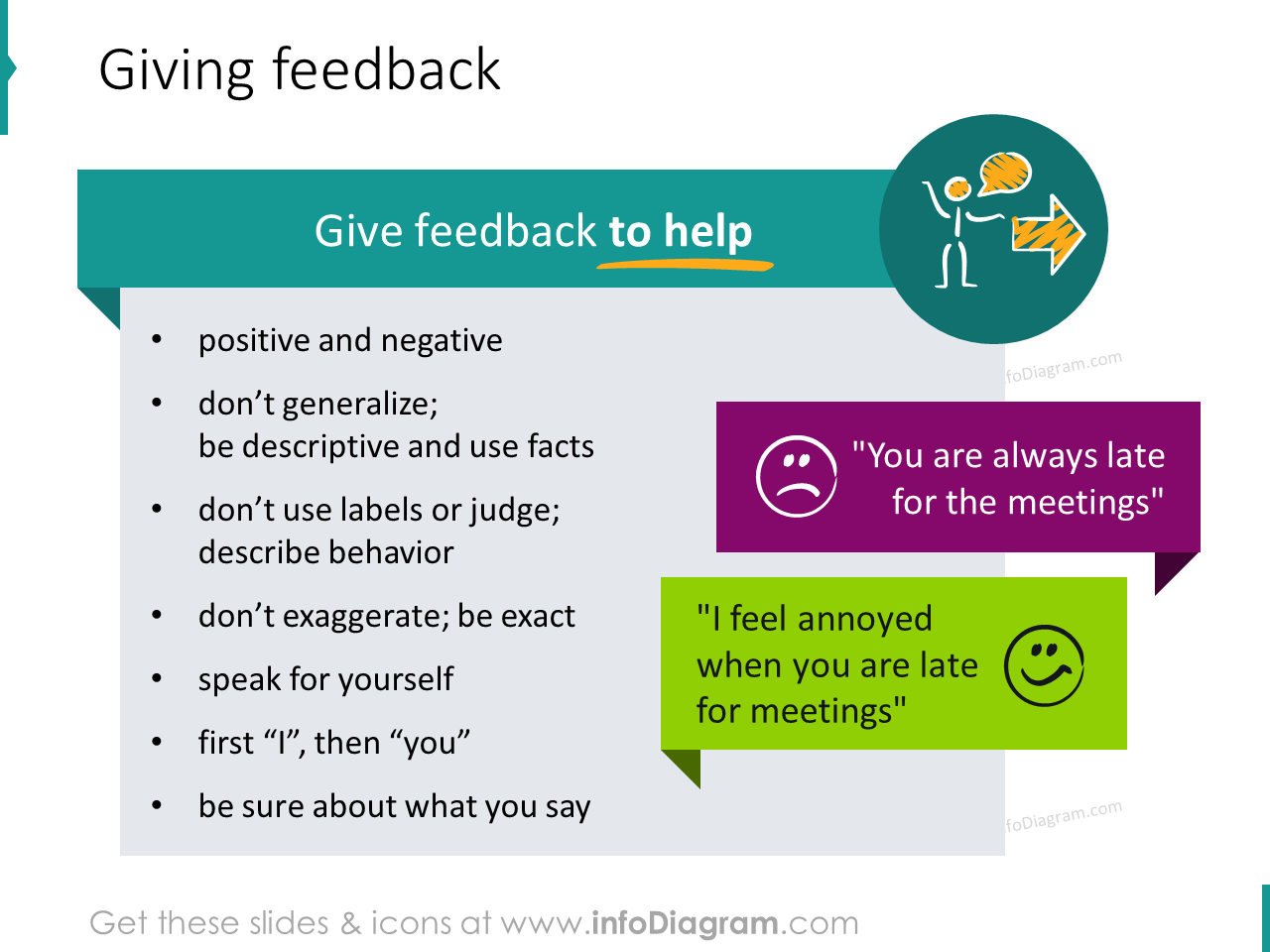
Feedback in writing and presenting is crucial for improvement and refinement. It provides insights into clarity, engagement, and effectiveness, helping to identify strengths and areas for growth. Constructive feedback fosters skill development, enhances communication, and ensures the message resonates with the audience, ultimately leading to more impactful and polished work.
tone

https://www.youtube.com/watch?v=NsnRs7WSElU
Tone in writing and presenting refers to the attitude or emotional quality conveyed by the author or speaker. It shapes how the audience perceives the message, influencing engagement and understanding. Tone can be formal, informal, serious, or playful, and is crafted through word choice, style, and delivery.
audience

https://www.youtube.com/watch?v=xyH79KQET5E
In writing and presenting, understanding the audience is crucial. Tailor content to their interests, knowledge level, and expectations to engage effectively. Consider demographics, cultural background, and preferences. This ensures clarity, relevance, and impact, fostering a connection that enhances comprehension and retention of the message being conveyed.
clarity

https://www.youtube.com/watch?v=W1Ta7_pc1KU
Clarity in writing and presenting ensures the audience easily understands the message. It involves using precise language, logical structure, and concise expression. Avoiding jargon and ambiguity enhances comprehension. Effective clarity engages the audience, facilitates communication, and achieves the intended purpose, making the content accessible and impactful.
structure
https://www.youtube.com/watch?v=PnWND7JpRDQ
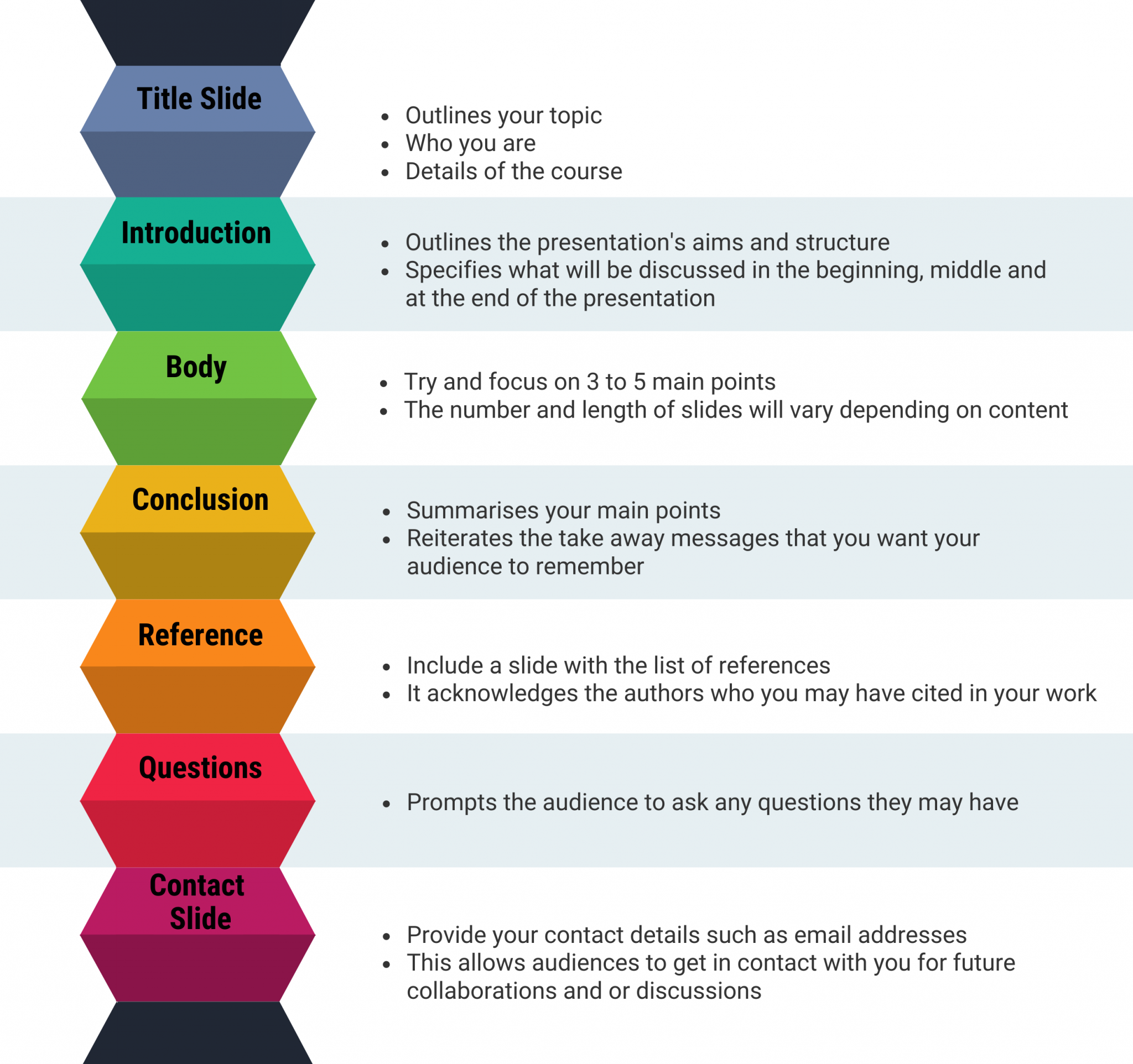
Structure in writing and presenting refers to the organized framework that guides the flow of information. It includes an introduction, body, and conclusion, ensuring clarity and coherence. Effective structure aids in audience understanding, emphasizes key points, and enhances engagement by logically connecting ideas and maintaining a consistent narrative throughout.
purpose
https://www.youtube.com/watch?v=KGImUx4zg64
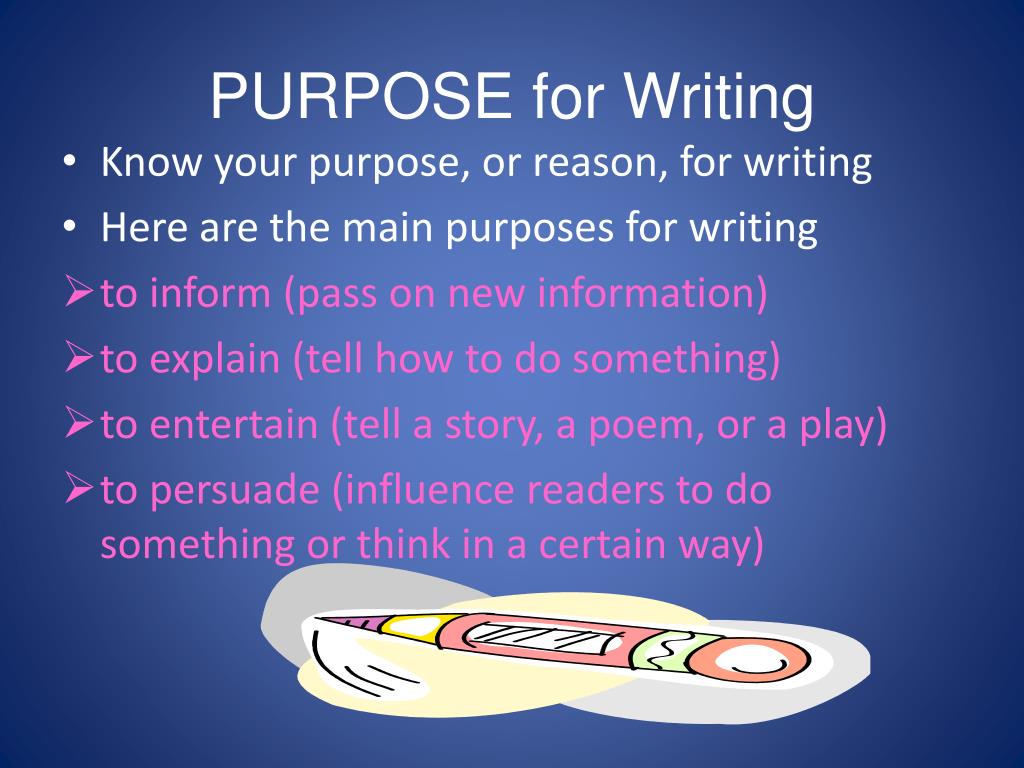
Purpose in writing and presenting is the guiding intention behind the content, shaping its direction and impact. It clarifies the message, engages the audience, and drives the structure and style. A clear purpose ensures coherence, aids in persuasion or information delivery, and enhances the effectiveness of communication.
visuals

https://www.youtube.com/watch?v=PCt6QRwNgOA
Visuals enhance writing and presentations by clarifying complex information, engaging audiences, and reinforcing key points. They include charts, graphs, images, and videos, which aid in retention and understanding. Effective visuals are clear, relevant, and well-integrated, complementing the narrative and making content more accessible and impactful for diverse audiences.
additional note
AI Report
Essay
### Writing and Presenting with APA: A Guide to Clarity and Credibility
In academic and professional settings, effective writing and presenting are crucial skills that can enhance communication and foster understanding. The American Psychological Association (APA) style is widely used in the social sciences for formatting papers and citing sources. This essay discusses the importance of adhering to APA guidelines in writing and presenting, focusing on clarity, credibility, and the role of proper citation in academic discourse.
Firstly, clarity is a primary goal in any form of communication, particularly in academic writing. The APA style promotes clear and concise language, which is essential for conveying ideas effectively. According to the APA Publication Manual (2020), writers should strive for straightforward expression, avoiding jargon and complex sentence structures that can confuse readers. This emphasis on clarity helps ensure that the intended message is communicated without ambiguity, making it easier for audiences to engage with the content. Moreover, using APA style encourages the systematic organization of information, which aids in logical flow and coherence throughout the document (American Psychological Association, 2020).
Credibility is another critical aspect of writing and presenting in APA style. Proper citation of sources not only gives credit to original authors but also enhances the writer's authority on the subject matter. When researchers utilize peer-reviewed journals and reputable sources, they reinforce their arguments and position themselves as informed contributors to the academic community. As noted by Smith (2021), credible citations help establish trust between the writer and the audience, which is vital for effective communication. Furthermore, APA guidelines require specific formatting for in-text citations and reference lists, which ensures consistency and professionalism in scholarly writing (American Psychological Association, 2020).
In addition to clarity and credibility, presenting research findings effectively is essential in both academic and professional environments. APA style provides guidelines not just for writing but also for presenting data and visual information. For instance, the APA Publication Manual outlines standards for creating tables and figures, ensuring that they are accessible and informative (American Psychological Association, 2020). These visual aids can enhance understanding by providing a clear representation of data that complements written content. When presenting, it is important to engage the audience by summarizing key points and encouraging questions, which fosters an interactive learning environment.
Moreover, familiarity with APA style can significantly enhance a researcher's ability to collaborate and share knowledge within their field. When colleagues adhere to common formatting guidelines, it streamlines the process of peer review, publication, and presentation at conferences. As Johnson (2022) highlights, consistent use of APA in collaborative projects facilitates efficient communication and reduces misunderstandings that may arise from inconsistent formatting. This collaborative advantage underscores the importance of mastering APA style for anyone involved in academic writing and presentation.
In conclusion, writing and presenting with APA style is a vital skill for scholars and professionals in the social sciences. The emphasis on clarity, credibility, and effective presentation enhances communication and fosters a collaborative academic environment. By adhering to APA guidelines, writers can ensure their work is accessible, trustworthy, and impactful, ultimately contributing to the advancement of knowledge within their fields. As the academic landscape continues to evolve, the principles of APA style remain a cornerstone of effective scholarly communication.
### References
American Psychological Association. (2020). *Publication manual of the American Psychological Association* (7th ed.). American Psychological Association.
Johnson, T. (2022). The impact of consistent formatting on collaborative research. *Journal of Academic Collaboration*, 15(3), 45-56.
Smith, A. (2021). The importance of credible sources in academic writing. *Journal of Academic Integrity*, 12(1), 30-40.
Lesson Plan
### Lesson Plan: Writing and Presenting in Technical Vocational Education
**Course Title:** Technical Communication Skills
**Grade Level:** Technical Vocational Students
**Duration:** 2 hours
**Instructor:** [Instructor's Name]
**Date:** [Insert Date]
**Location:** [Insert Location]
---
#### Objectives:
By the end of this lesson, students will be able to:
1. Understand the principles of effective writing and presenting in a technical context.
2. Identify the components of a well-structured technical document and presentation.
3. Demonstrate the ability to write a clear and concise technical report.
4. Develop and deliver a short presentation on a technical topic.
---
### Materials Needed:
- Whiteboard and markers
- Projector and slides
- Handouts with writing and presentation tips
- Sample technical documents and presentation slides
- Computers or paper for writing exercises
- Access to presentation software (e.g., PowerPoint, Google Slides)
---
### Lesson Outline:
#### 1. Introduction (15 minutes)
- **Warm-up Activity:** Ask students to share their experiences with writing and presenting in technical fields.
- **Discussion:** Discuss the importance of clear communication in technical vocations (e.g., safety, clarity, collaboration).
#### 2. Writing in Technical Fields (30 minutes)
- **Presentation:**
- Discuss the key elements of technical writing:
- Audience awareness
- Clarity and conciseness
- Use of visuals (charts, graphs, diagrams)
- Formatting and structure (headings, lists, etc.)
- Introduce common types of technical documents (reports, manuals, proposals).
- **Activity:**
- Provide students with a sample technical document.
- In groups, have them analyze the document for clarity, structure, and effectiveness, and suggest improvements.
#### 3. Presenting in Technical Fields (30 minutes)
- **Presentation:**
- Discuss the essentials of effective presentations:
- Organizing content (introduction, body, conclusion)
- Using visual aids effectively
- Engaging the audience (eye contact, questions, body language)
- Practicing delivery and timing
- **Activity:**
- Show a short video of an effective technical presentation.
- Engage in a class discussion: What made it effective? What could be improved?
#### 4. Application Exercise (30 minutes)
- **Writing Task:**
- Assign students to write a brief technical report (1-2 pages) on a chosen topic relevant to their field.
- Encourage them to use clear headings, bullet points, and visuals where applicable.
- **Presentation Task:**
- Each student prepares a 2-3 minute presentation based on their report to be delivered in the next class.
- Provide tips on how to structure their presentation and use visual aids.
#### 5. Conclusion and Q&A (15 minutes)
- Recap the key points covered in the lesson.
- Address any questions or concerns students may have about writing and presenting.
- Provide resources for further learning (books, websites, workshops).
#### 6. Homework:
- Complete the technical report and prepare the presentation for the next class.
- Practice the presentation with a friend or family member to gain confidence.
---
### Assessment:
- **Participation:** Engagement during discussions and group activities.
- **Technical Report:** Evaluate based on clarity, structure, and adherence to technical writing principles.
- **Presentation:** Assess clarity, organization, use of visual aids, and engagement with the audience.
---
### Additional Notes:
- Be prepared to support students who may struggle with writing or technology.
- Encourage peer feedback during the writing and presentation processes.
- Consider incorporating technology tools like collaboration platforms for group work.
---
This lesson plan provides a comprehensive approach to teaching technical vocational students the essential skills of writing and presenting, ensuring they are well-prepared for their future careers.
Class Syllabus Outline
# Syllabus for Writing and Presenting
**Course Title:** Writing and Presenting
**Course Code:** ENG 301
**Semester:** Fall 2023
**Instructor:** [Instructor Name]
**Email:** [Instructor Email]
**Office Hours:** [Days and Times]
**Location:** [Classroom/Online Platform]
**Class Times:** [Days and Times]
---
## Course Description
This course is designed to enhance students' writing and presentation skills across various formats and contexts. Students will learn how to craft clear, compelling, and well-organized written documents, as well as how to deliver effective presentations. The course will emphasize the importance of audience awareness, the use of visual aids, and the integration of feedback into the writing and presentation processes.
## Course Objectives
By the end of this course, students will be able to:
1. Analyze and understand different writing styles and formats.
2. Develop and organize ideas effectively for various audiences.
3. Write clear, concise, and persuasive documents.
4. Employ proper grammar, punctuation, and style in all written work.
5. Create effective visual aids to enhance presentations.
6. Deliver presentations with confidence and clarity.
7. Provide and incorporate constructive feedback from peers.
## Required Texts and Materials
1. **Textbook:** "The Elements of Style" by William Strunk Jr. and E.B. White
2. **Supplemental Readings:** A collection of articles and essays will be provided via the course website.
3. **Materials:** Access to a computer with word processing software, presentation software (e.g., PowerPoint, Google Slides), and a reliable internet connection.
## Course Outline
### Week 1: Introduction to Writing and Presenting
- Overview of course objectives and expectations
- Importance of effective writing and presentation skills
### Week 2: Understanding Your Audience
- Identifying audience needs and expectations
- Adapting content for different audiences
### Week 3: Writing Fundamentals
- Principles of clear and concise writing
- Grammar and punctuation review
### Week 4: Structuring Your Writing
- Organizing ideas: Outlines and drafts
- Writing thesis statements and topic sentences
### Week 5: Persuasive Writing Techniques
- Techniques for persuasive writing
- Crafting arguments and supporting evidence
### Week 6: Visual Communication
- Basics of visual design
- Using graphics effectively in writing and presentations
### Week 7: Introduction to Presentations
- Types of presentations (informative, persuasive, etc.)
- Key elements of effective presentations
### Week 8: Developing Your Presentation Skills
- Techniques for engaging an audience
- Practice: Delivering a short presentation
### Week 9: Creating Visual Aids
- Designing effective slides and handouts
- Incorporating multimedia elements
### Week 10: Rehearsing and Delivering Presentations
- Tips for rehearsal and practice
- Strategies for managing anxiety
### Week 11: Feedback and Revision
- The importance of feedback in writing and presenting
- Peer review sessions: Giving and receiving feedback
### Week 12: Final Presentations
- Students deliver their final presentations
- Reflection and discussion on the presentation experience
### Week 13: Writing for Different Contexts
- Business writing, academic writing, and creative writing
- Adapting writing style for different purposes
### Week 14: Final Project Preparation
- Guidelines for the final writing project
- Workshopping drafts with peers
### Week 15: Course Wrap-Up and Final Reflections
- Review of key concepts
- Final reflections on growth in writing and presenting skills
## Assessment and Grading
- **Participation and Attendance:** 10%
- **Writing Assignments (3 total):** 40%
- **Presentation (Midterm):** 20%
- **Final Project (Writing and Presentation):** 30%
## Policies
- **Attendance:** Regular attendance is mandatory. More than three unexcused absences may result in a grade penalty.
- **Late Assignments:** Assignments submitted late will incur a penalty unless prior arrangements have been made.
- **Academic Integrity:** Plagiarism and cheating will not be tolerated and will result in disciplinary action.
## Important Dates
- **Midterm Presentation:** [Date]
- **Final Project Due:** [Date]
- **Final Presentation Day:** [Date]
---
**Note to Students:** This syllabus is subject to change at the instructor's discretion. Any changes will be communicated in advance. Please ensure you have access to the course website for additional resources and announcements.
---
This syllabus provides a comprehensive overview of the course structure, expectations, and content, ensuring that students are well-prepared to develop their writing and presenting skills effectively.
Learning Objectives
### Learning Objectives for a Course on Writing and Presenting for Technical Vocational Students
1. **Understand Technical Communication Principles**:
- Define the key concepts and principles of technical communication relevant to various vocational fields.
2. **Develop Writing Skills**:
- Compose clear, concise, and effective technical documents, including reports, manuals, and project proposals, tailored to specific audiences.
3. **Utilize Appropriate Formats**:
- Identify and apply appropriate formatting styles and structures for different types of technical documents, ensuring professional presentation.
4. **Incorporate Visual Aids**:
- Create and integrate visual aids (e.g., charts, graphs, diagrams) into technical documents and presentations to enhance understanding and retention.
5. **Conduct Research**:
- Perform effective research using credible sources to gather relevant information and data for technical writing projects.
6. **Critique and Revise**:
- Evaluate and provide constructive feedback on peer writing, identifying areas for improvement and applying revision techniques to enhance clarity and effectiveness.
7. **Prepare Presentations**:
- Design and deliver engaging presentations that effectively communicate technical information to diverse audiences, utilizing appropriate tools and technology.
8. **Practice Public Speaking Skills**:
- Demonstrate confident public speaking skills, including voice modulation, body language, and audience engagement techniques.
9. **Adapt Communication Style**:
- Adjust writing and presentation styles based on audience needs, technical knowledge levels, and cultural considerations.
10. **Collaborate on Group Projects**:
- Work collaboratively in teams to produce technical documents and presentations, demonstrating effective communication and teamwork skills.
11. **Ethical Considerations in Technical Writing**:
- Recognize ethical issues related to technical communication, including plagiarism, data integrity, and proper citation practices.
12. **Utilize Feedback for Improvement**:
- Actively seek and incorporate feedback from instructors and peers to improve writing and presentation skills throughout the course.
These objectives aim to equip technical vocational students with the essential skills needed to effectively communicate in their respective fields, preparing them for success in both academic and professional environments.
Quiz Questions
Sure! Here are five multiple choice questions related to writing and presenting, along with their correct answers:
### Question 1:
What is the primary purpose of an introduction in a presentation?
A) To provide detailed background information
B) To grab the audience's attention and outline the main points
C) To conclude the presentation
D) To thank the audience for attending
**Answer:** B) To grab the audience's attention and outline the main points
---
### Question 2:
What is the recommended number of main points to cover in a typical presentation for clarity and retention?
A) 1-2 points
B) 3-5 points
C) 6-8 points
D) 10 or more points
**Answer:** B) 3-5 points
---
### Question 3:
Which of the following is NOT a key component of effective writing?
A) Clarity
B) Conciseness
C) Complexity
D) Coherence
**Answer:** C) Complexity
---
### Question 4:
When using visuals in a presentation, what is the most important guideline to follow?
A) Use as many visuals as possible
B) Ensure visuals are relevant and enhance understanding
C) Make visuals as complex as possible
D) Use only text on slides
**Answer:** B) Ensure visuals are relevant and enhance understanding
---
### Question 5:
What is the best way to handle questions from the audience during a presentation?
A) Ignore them until the end
B) Answer them as they arise, if appropriate
C) Tell the audience to save questions for after the presentation
D) Respond with a vague answer to keep moving
**Answer:** B) Answer them as they arise, if appropriate
---
Feel free to use or modify these questions as needed!