AI Conversation
Weight Management

Did you know that drinking water before meals can help with weight management? It can make you feel fuller, so you might eat less, and it's a zero-calorie way to stay hydrated!
https://www.youtube.com/watch?v=qxO415JdNl0
caloric balance
https://www.youtube.com/watch?v=UIju_-yZa9k
Caloric balance is crucial for weight management, involving the relationship between calories consumed and calories burned. To maintain weight, intake must equal expenditure. Consuming more leads to weight gain, while consuming less results in weight loss. Understanding this balance helps individuals achieve and maintain their desired weight effectively.
nutrient density
https://www.youtube.com/watch?v=k9kI4tkadX0
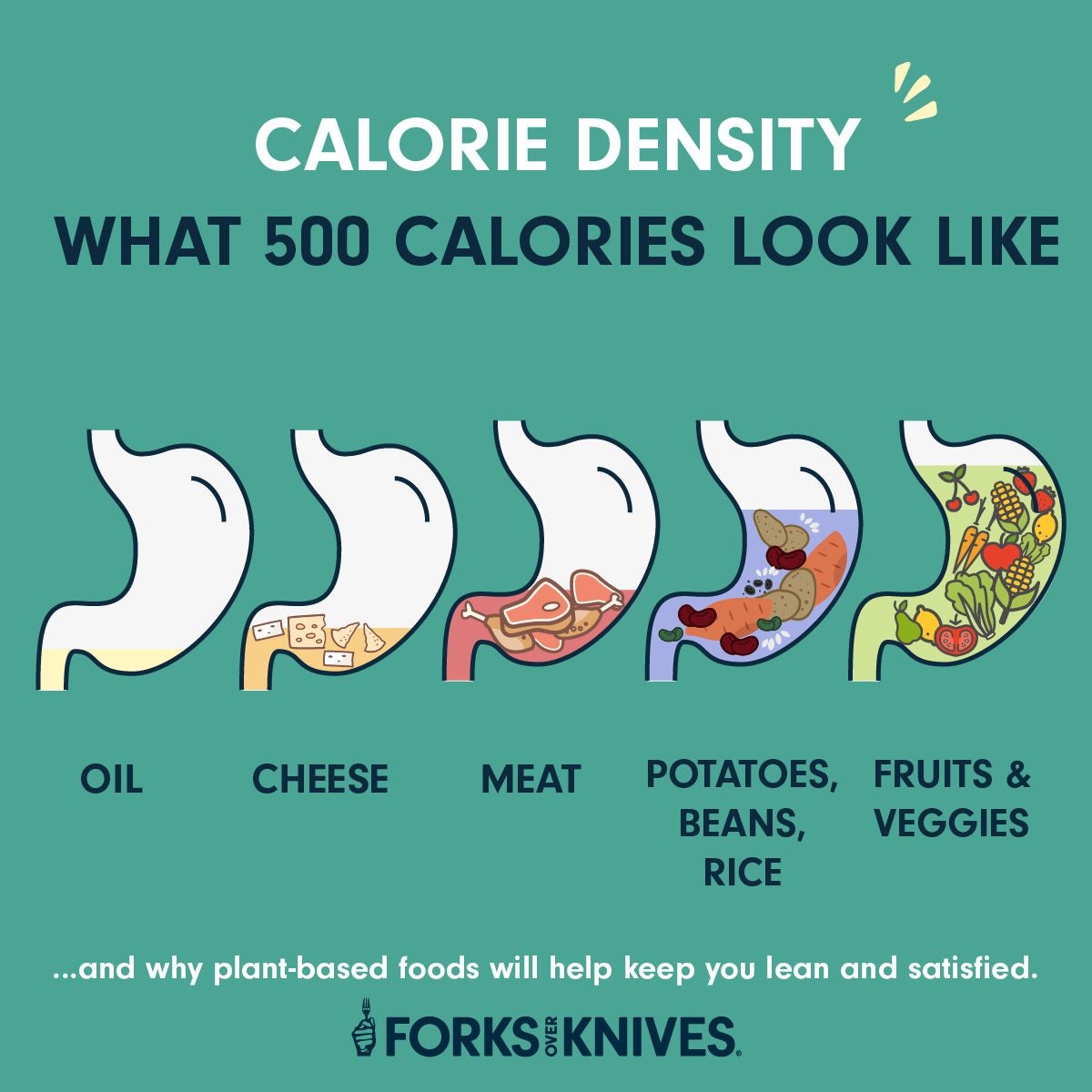
Nutrient density refers to the concentration of essential nutrients in foods relative to their calorie content. For weight management, choosing nutrient-dense foods like fruits, vegetables, lean proteins, and whole grains helps maintain a healthy weight by providing necessary nutrients without excessive calories, promoting satiety and overall well-being.
hydration

https://www.youtube.com/watch?v=4m2cSvj_mA4
Hydration plays a crucial role in weight management by supporting metabolism, reducing hunger, and aiding digestion. Drinking water before meals can help control appetite, while staying hydrated boosts energy levels and exercise performance. Proper hydration also prevents water retention, contributing to a healthier body weight and overall well-being.
mindful eating

https://www.youtube.com/watch?v=m75eG6CxUyA
Mindful eating involves paying full attention to the eating experience, promoting awareness of hunger and fullness cues. This practice can aid weight management by reducing overeating, improving food choices, and fostering a healthier relationship with food, ultimately supporting sustainable weight loss and overall well-being.
physical activity
https://www.youtube.com/watch?v=eXTiiz99p9o
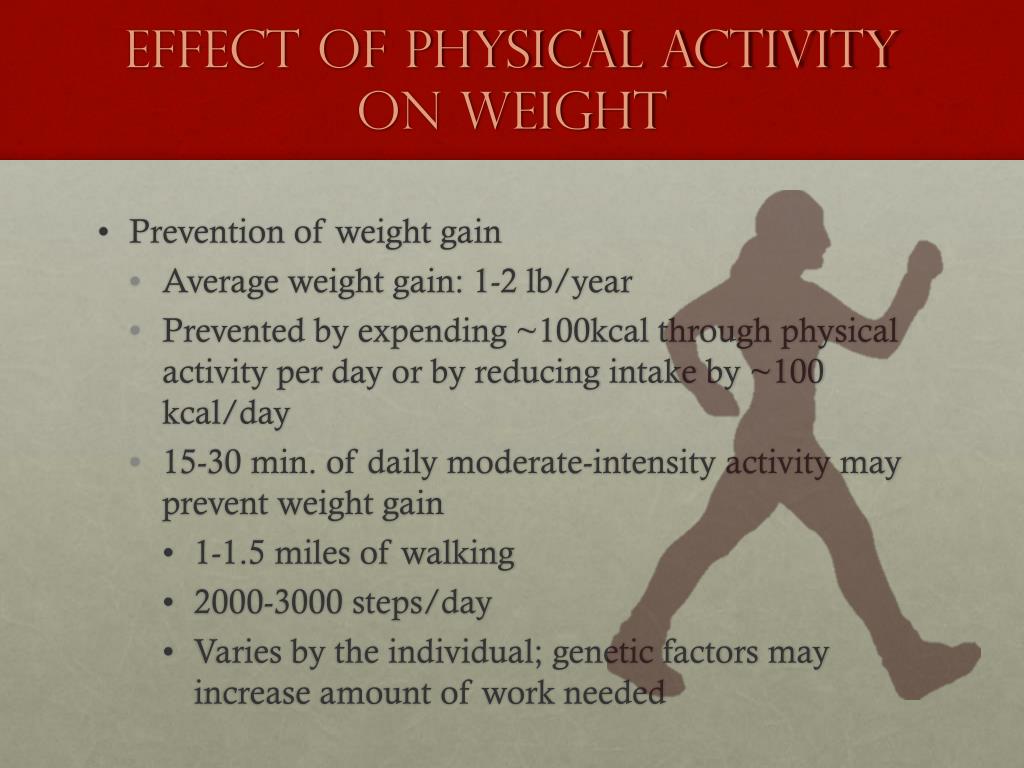
Physical activity is crucial for weight management as it helps burn calories, boosts metabolism, and preserves lean muscle mass. Regular exercise, combined with a balanced diet, supports weight loss and maintenance by creating a calorie deficit and enhancing overall health, reducing the risk of obesity-related diseases.
portion control
https://www.youtube.com/watch?v=gHsXabBz20M

Portion control is a key strategy in weight management, focusing on consuming appropriate food amounts to balance calorie intake. By understanding serving sizes and using tools like smaller plates, individuals can prevent overeating, maintain a healthy weight, and improve overall nutrition without drastically altering their diet.
consistency

https://www.youtube.com/watch?v=xL7-5LHJrWc
Consistency in weight management involves maintaining regular healthy eating habits, exercise routines, and lifestyle choices. It emphasizes steady, sustainable changes rather than quick fixes. By consistently following a balanced plan, individuals can achieve long-term success in managing their weight, improving overall health, and preventing weight regain.
balanced diet
https://www.youtube.com/watch?v=LCyECbA3pUw
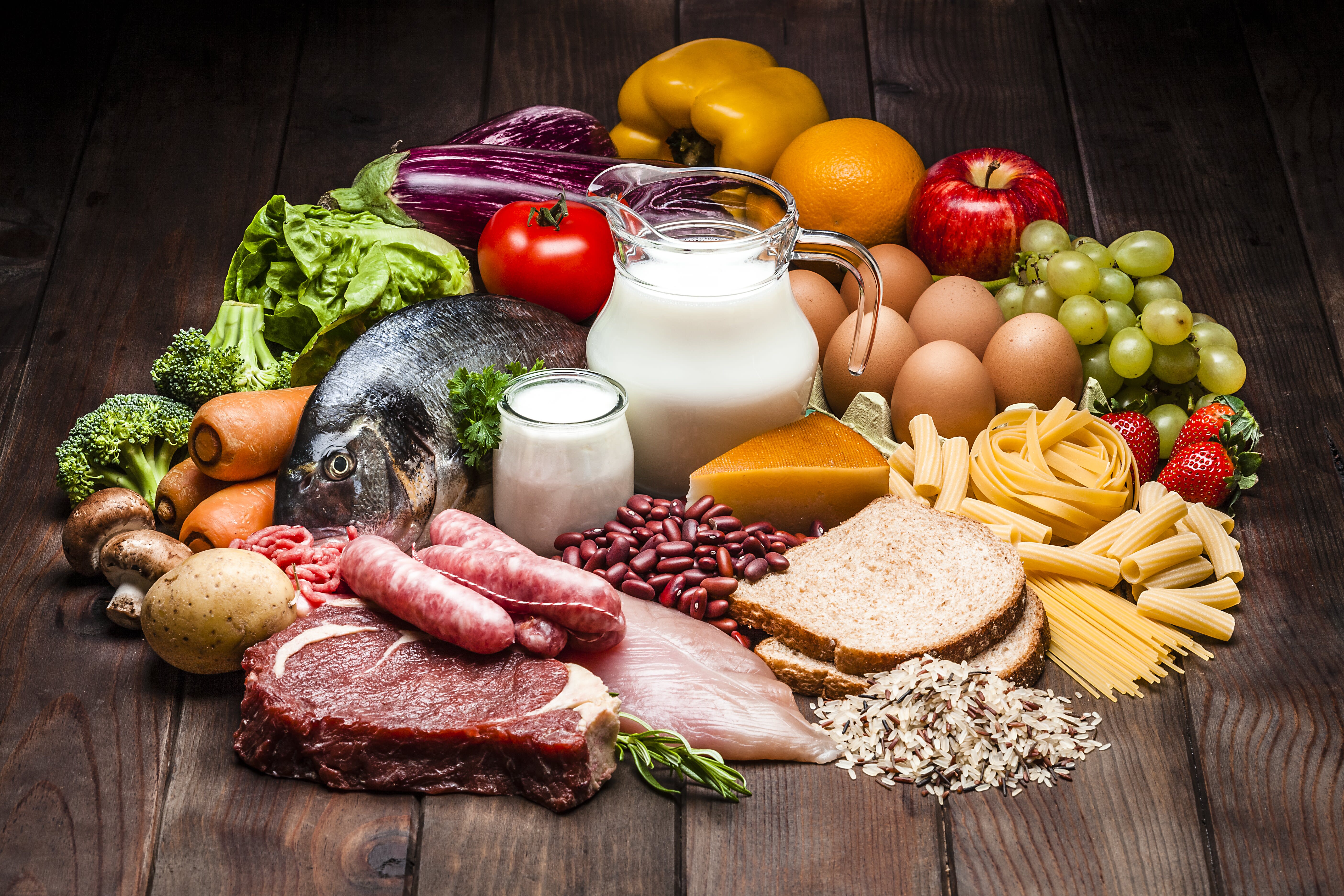
A balanced diet for weight management involves consuming a variety of nutrients in appropriate proportions. It includes fruits, vegetables, whole grains, lean proteins, and healthy fats. This approach helps maintain a healthy weight by providing essential nutrients, controlling calorie intake, and promoting overall well-being without excessive restriction.
Hydration

Drinking water can boost your brainpower! Staying hydrated improves concentration and cognitive function, helping you think more clearly and perform better in school. Even mild dehydration can affect your mood and memory.
https://www.youtube.com/watch?v=-bJqhqxN2z4
metabolism
https://www.youtube.com/watch?v=PdDenPBz5HY
Metabolism involves chemical reactions converting food into energy. Hydration is crucial, as water facilitates these reactions, transports nutrients, and removes waste. Proper hydration ensures efficient metabolism, maintaining energy levels and overall health. Dehydration can slow metabolic processes, leading to fatigue and impaired bodily functions. Drink water for optimal metabolism!

water intake

https://www.youtube.com/watch?v=lwOPaNMTGh8
Water intake is crucial for maintaining hydration, which supports bodily functions like temperature regulation, nutrient transport, and waste removal. Adequate hydration enhances physical performance, cognitive function, and overall health. Daily water needs vary based on factors like age, activity level, and climate, but generally, 8-10 cups are recommended.
calorie-free

Calorie-free hydration refers to consuming beverages that provide essential hydration without adding calories. Water is the most common calorie-free drink, but options like herbal teas and flavored water also exist. These choices support hydration without impacting calorie intake, making them ideal for maintaining a balanced diet and healthy lifestyle.
https://www.youtube.com/watch?v=0mtdtzoZ41Y
energy levels
https://www.youtube.com/watch?v=6QINhoywpRA

Energy levels in hydration refer to the energy changes when water molecules interact with ions or molecules. During hydration, energy is released as water forms bonds with solutes, stabilizing them. This process is crucial in biological systems, affecting solubility, reaction rates, and the structure of biomolecules.
appetite control

Hydration plays a crucial role in appetite control. Drinking water can help regulate hunger by promoting a feeling of fullness, reducing the likelihood of overeating. Proper hydration supports metabolic processes and can sometimes be mistaken for hunger, so staying hydrated helps distinguish true hunger from thirst.
https://www.youtube.com/watch?v=_ajFsZbgLU0
dehydration

https://www.youtube.com/watch?v=P8c9DIiAFz8
Dehydration occurs when the body loses more fluids than it takes in, disrupting essential bodily functions. Proper hydration is crucial for maintaining balance, supporting digestion, regulating temperature, and ensuring efficient nutrient transport. Symptoms of dehydration include thirst, fatigue, dizziness, and dark urine, highlighting the importance of regular fluid intake.
thermogenesis
https://www.youtube.com/watch?v=Ds7qgUVVMYA
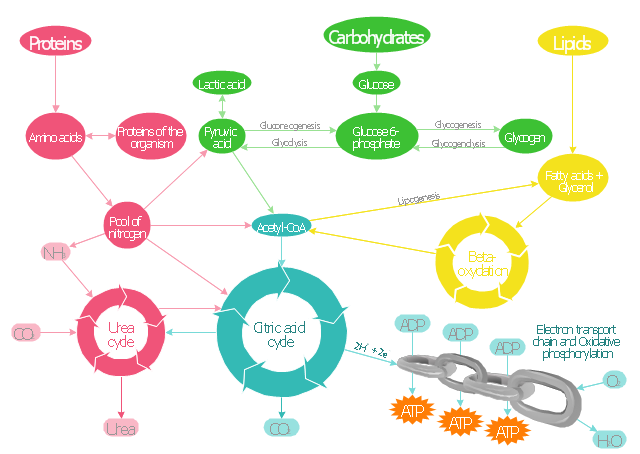
Thermogenesis is the body's process of heat production, which can be influenced by hydration. Proper hydration supports metabolic functions, enhancing thermogenesis by optimizing cellular activities and energy expenditure. Drinking water can slightly increase metabolic rate, aiding in calorie burning and maintaining body temperature, thus playing a role in weight management.
satiety

https://www.youtube.com/watch?v=eUaU4WeA9zk
Satiety, the feeling of fullness, is influenced by hydration. Drinking water before or during meals can enhance satiety, helping control appetite and prevent overeating. Proper hydration aids digestion and nutrient absorption, contributing to overall satisfaction. Staying hydrated is crucial for maintaining balanced energy levels and supporting healthy eating habits.
Balanced Diet
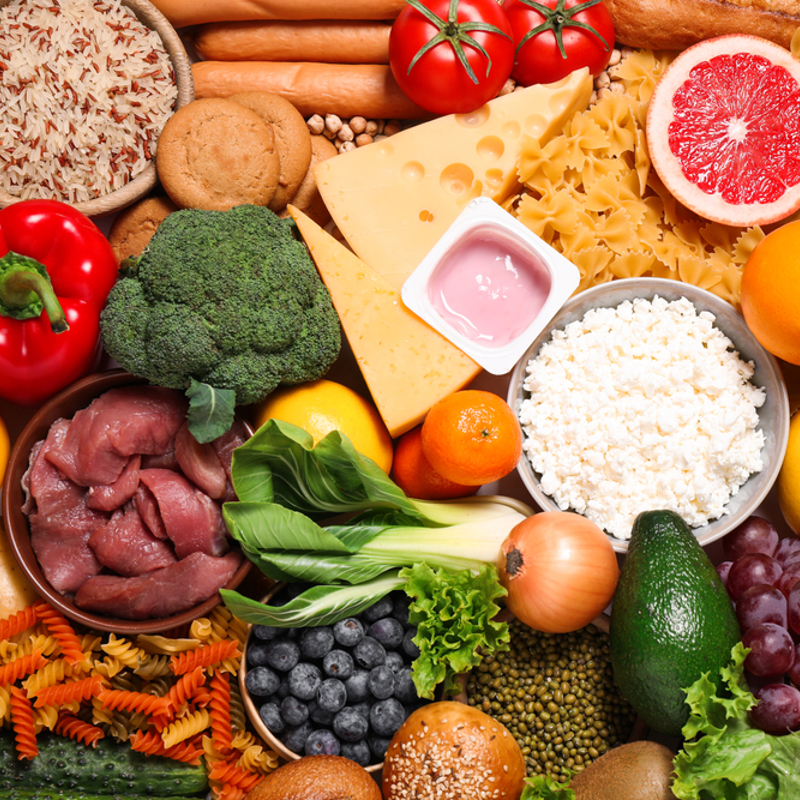
A balanced diet includes all food groups, but did you know that dark chocolate is part of a healthy diet? It's rich in antioxidants and can boost your mood, making it a deliciously fun addition in moderation!
https://www.youtube.com/watch?v=81G22t2UHxA
portion control

https://www.youtube.com/watch?v=35HBfh4PNXU
Portion control is crucial in a balanced diet, ensuring you consume the right amounts of nutrients without overeating. It helps maintain a healthy weight and prevents nutrient deficiencies. By being mindful of serving sizes and food choices, you can enjoy diverse foods while supporting overall health and well-being.
proteins
https://www.youtube.com/watch?v=NqV1Ig4_nfI
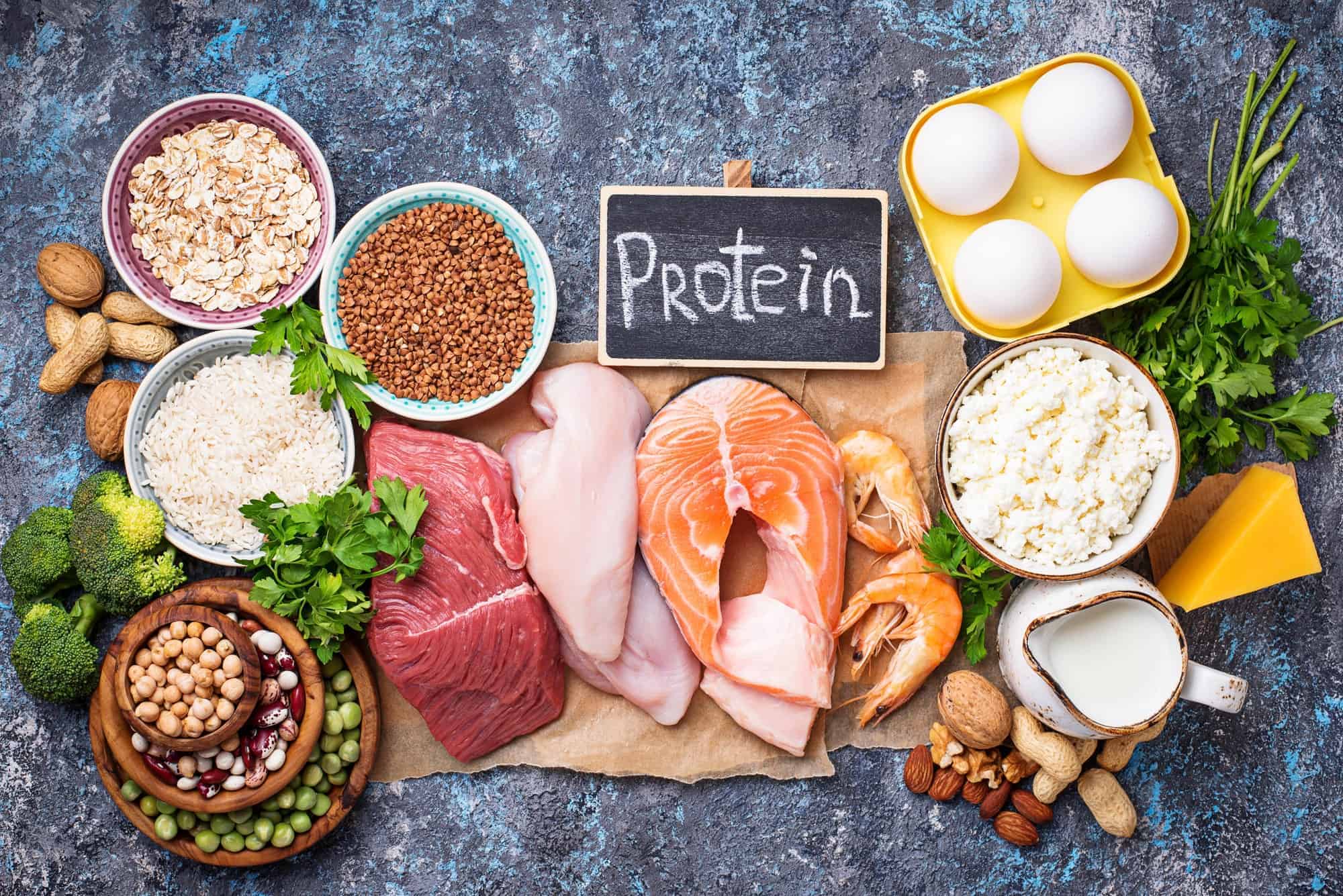
Proteins are essential nutrients in a balanced diet, crucial for building and repairing tissues, producing enzymes and hormones, and supporting immune function. They provide amino acids, the body's building blocks. Sources include meat, fish, eggs, dairy, legumes, and nuts. Adequate protein intake promotes overall health and well-being.
carbohydrates
https://www.youtube.com/watch?v=wxzc_2c6GMg

Carbohydrates are essential macronutrients in a balanced diet, providing the body's primary energy source. Found in foods like grains, fruits, and vegetables, they fuel physical activity and brain function. Choosing complex carbs, such as whole grains, over simple sugars ensures sustained energy and supports overall health and digestion.
fats
https://www.youtube.com/watch?v=2W857AIsymI
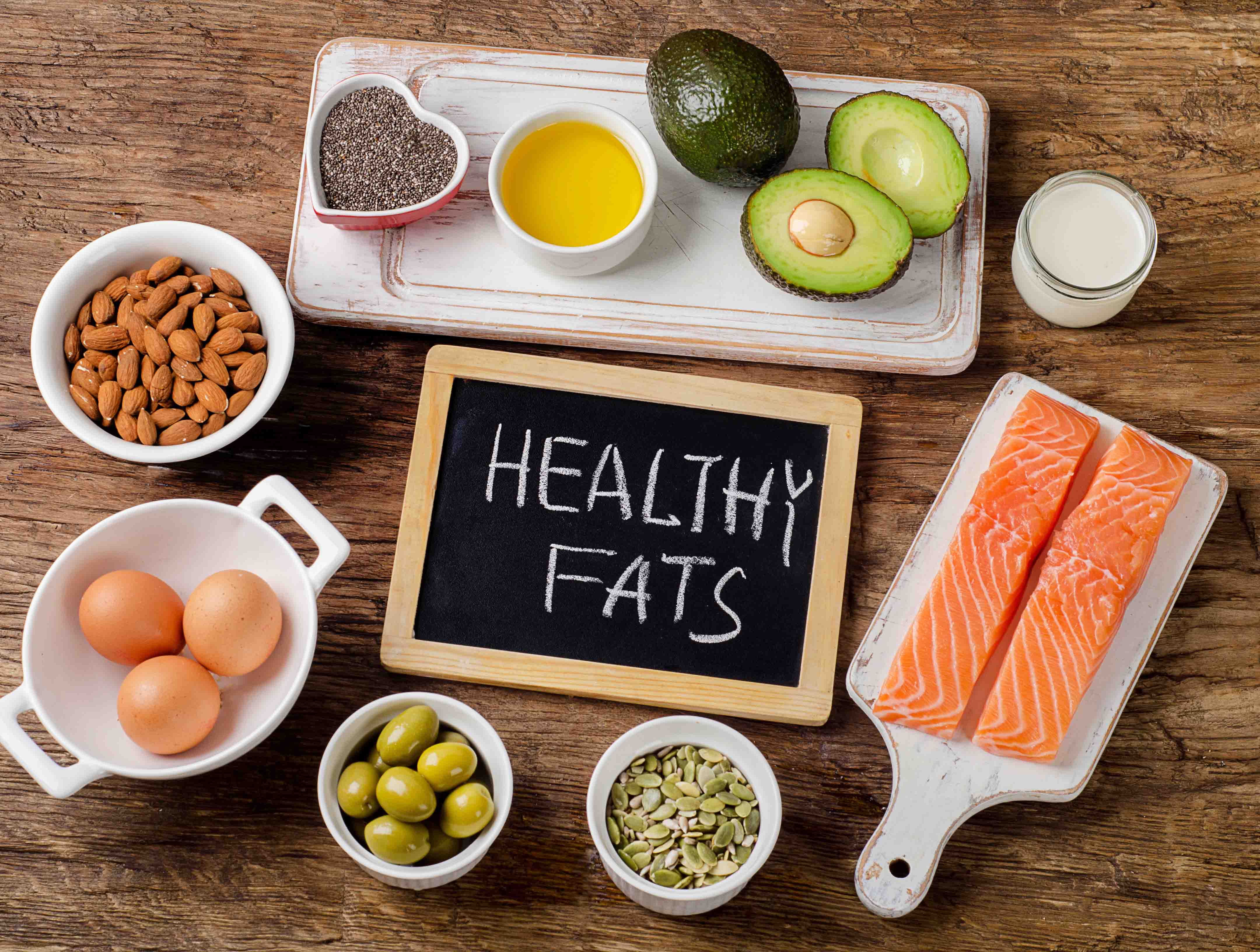
Fats are essential in a balanced diet, providing energy, supporting cell growth, and aiding nutrient absorption. Healthy fats, like those from avocados, nuts, and fish, promote heart health. However, excessive intake of saturated and trans fats can lead to health issues, so moderation and balance are key.
fiber
https://www.youtube.com/watch?v=_sHthj7dXs0
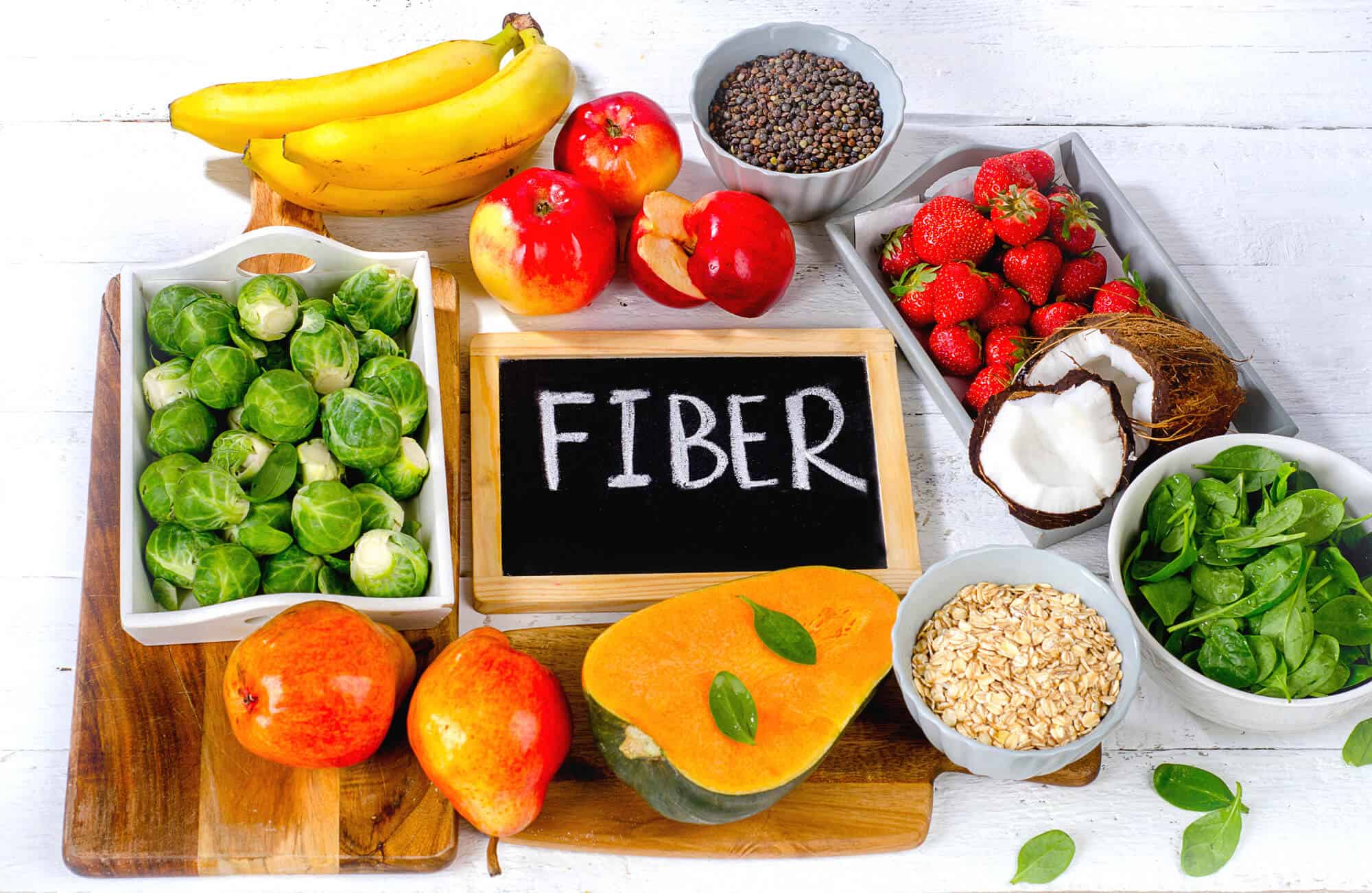
Fiber is a crucial component of a balanced diet, aiding digestion and promoting regular bowel movements. It helps maintain healthy cholesterol and blood sugar levels, and supports weight management by providing a feeling of fullness. Found in fruits, vegetables, whole grains, and legumes, fiber is essential for overall health.
minerals
https://www.youtube.com/watch?v=BGwb8_hbzUM
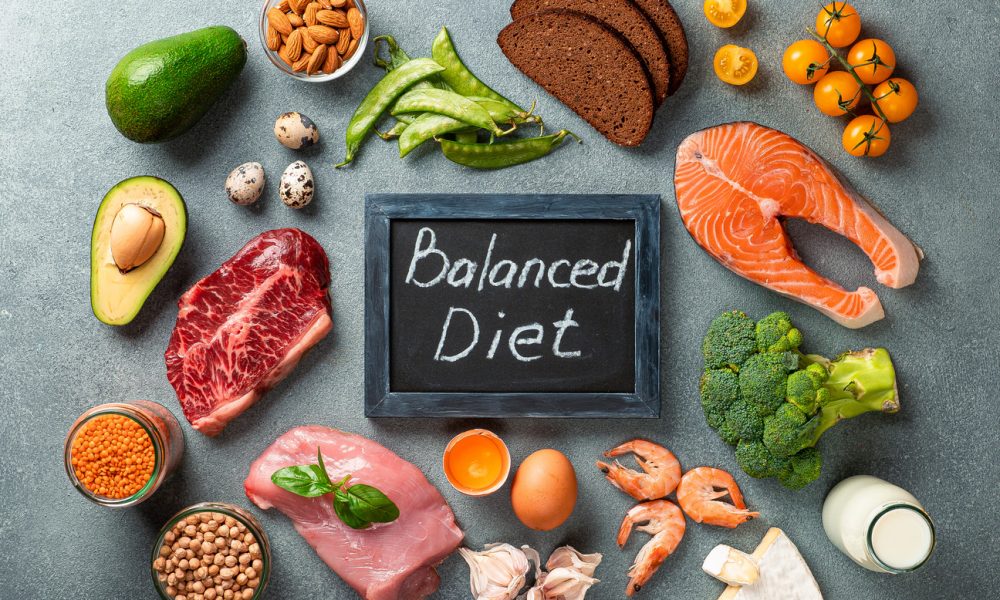
Minerals are essential nutrients that support various bodily functions, including bone health, nerve function, and energy production. Key minerals like calcium, iron, and potassium must be consumed through a balanced diet. They are found in foods such as dairy, leafy greens, meats, and nuts, ensuring overall health and well-being.
vitamins
https://www.youtube.com/watch?v=Pyp96QsS1Hg

Vitamins are essential nutrients that support various bodily functions, including immunity, energy production, and cell repair. A balanced diet provides a diverse range of vitamins, ensuring optimal health. Each vitamin has unique roles, and deficiencies can lead to health issues. Consuming fruits, vegetables, and whole grains helps meet vitamin needs.
water

https://www.youtube.com/watch?v=60ZG0qtBYO0
Water is essential in a balanced diet as it aids digestion, nutrient absorption, and temperature regulation. It helps transport nutrients and oxygen to cells, removes waste, and maintains hydration. Adequate water intake supports overall health and well-being, making it a crucial component of a nutritious diet.
AI Report
Essay
A balanced diet is essential for maintaining good health and preventing various diseases. It refers to the consumption of a variety of foods that provide the right amount of nutrients to the body. In this essay, we will discuss the importance of a balanced diet, its components, and how it can be achieved.
Firstly, a balanced diet is crucial for maintaining overall health and well-being. It provides the necessary nutrients, such as carbohydrates, proteins, fats, vitamins, and minerals, that are required for the proper functioning of the body. These nutrients play a vital role in maintaining a healthy immune system, strong bones, and muscles, and preventing chronic diseases. A diet lacking in any of these nutrients can lead to deficiencies and health problems.
Secondly, a balanced diet consists of different food groups in the right proportions. These include fruits, vegetables, grains, dairy, and protein-rich foods. Each food group provides unique nutrients that are essential for the body. For instance, fruits and vegetables are rich in vitamins and minerals, while grains provide carbohydrates for energy. A diet that includes a variety of these food groups in the right proportions ensures that the body gets all the necessary nutrients.
Moreover, a balanced diet is also about moderation and portion control. Consuming too much of any food, even if it is healthy, can lead to weight gain and other health issues. On the other hand, restricting certain foods from the diet can also result in nutrient deficiencies. Therefore, it is essential to have a balanced approach when it comes to food consumption. Portion control is also crucial, as it helps in maintaining a healthy weight and prevents overeating.
Achieving a balanced diet can be challenging, especially with the availability of processed and unhealthy food options. However, it is not impossible. One way to achieve a balanced diet is by meal planning and making healthier food choices. Meal planning involves preparing a weekly menu and ensuring that all the food groups are included in the meals. Making healthier food choices means opting for whole and unprocessed foods over processed ones.
In conclusion, a balanced diet is crucial for maintaining good health and preventing diseases. It consists of various food groups in the right proportions, moderation, and portion control. Achieving a balanced diet requires meal planning and making healthier food choices. By following a balanced diet, individuals can improve their overall health and well-being.
Lesson Plan
Lesson Plan: Introduction to Balanced Diet for Technical Vocational Students
Objective: By the end of this lesson, students will be able to define a balanced diet, explain how it works and understand how it can be maintained for a healthy lifestyle.
Materials:
- Whiteboard and markers
- Handouts on balanced diet and its benefits
- Pictures or visuals of healthy food items
- Computer and projector for videos
- Worksheets for group activity
Time: 60 minutes
Lesson Introduction (10 minutes):
1. Greet the students and introduce the topic of the lesson - Balanced Diet.
2. Ask the students what they understand by the term "balanced diet".
3. Write down their answers on the whiteboard and discuss each one with the class.
4. Explain that a balanced diet is a diet that provides all the necessary nutrients in the right proportion to maintain good health.
Lesson Development (35 minutes):
1. Show pictures or visuals of different healthy food items such as fruits, vegetables, grains, protein sources, and dairy products.
2. Discuss the importance of each food group and how they contribute to a balanced diet.
3. Use a video to explain how different nutrients like carbohydrates, proteins, fats, vitamins, and minerals work in our body.
4. Discuss the benefits of a balanced diet, such as maintaining a healthy weight, reducing the risk of chronic diseases, and improving overall well-being.
5. Ask students to share their experiences with maintaining a balanced diet and how it has affected their health.
6. Explain that maintaining a balanced diet also involves moderation and portion control.
Activity (10 minutes):
1. Divide the students into groups of 3-4.
2. Give each group a worksheet with a list of food items and ask them to categorize them into different food groups.
3. Each group will present their categorization to the class, and the class can discuss if any food item has been incorrectly categorized.
Conclusion (5 minutes):
1. Summarize the key points of the lesson.
2. Ask students to share one thing they learned from the lesson.
3. Distribute handouts on balanced diet and its benefits for students to take home.
Assessment:
1. Informal assessment during class discussions and activities.
2. Students can be given a quiz at the end of the lesson to test their understanding of a balanced diet.
Homework:
1. Ask students to create a one-day meal plan that includes a balanced diet.
2. Students can research and write a short essay on the benefits of maintaining a balanced diet.
Extension:
1. Invite a nutritionist or dietician to talk to the students about the importance of a balanced diet.
2. Organize a cooking competition where students have to create a healthy and balanced meal.
Class Syllabus Outline
Course Title: Balanced Diet 101
Course Code: BD101
Language: English (en-US)
Instructor: [Insert Name]
Email: [Insert Email]
Office Hours: [Insert Office Hours]
Class Schedule: [Insert Day and Time]
Course Description:
This course is designed to provide students with a comprehensive understanding of the importance of maintaining a balanced diet for overall health and well-being. Through a combination of lectures, discussions, and hands-on activities, students will learn about the different food groups, nutrients, and their functions, as well as how to plan and maintain a nutritious and balanced diet.
Course Objectives:
By the end of this course, students will be able to:
1. Define the concept of a balanced diet and its importance in maintaining good health.
2. Identify the different food groups and their respective nutrients.
3. Understand the functions of nutrients in the body.
4. Analyze and evaluate their own current dietary habits.
5. Demonstrate the ability to plan and maintain a balanced diet.
6. Discuss the effects of an imbalanced diet on overall health.
Course Materials:
1. Textbook: "The Science of Nutrition" by Janice Thompson and Melinda Manore.
2. Handouts and worksheets provided by the instructor.
3. Online resources, such as articles and videos, as assigned by the instructor.
4. Food and nutrition tracking app (to be used for assignments).
Grading:
1. Attendance and Participation: 20%
2. Quizzes and Assignments: 30%
3. Midterm Exam: 20%
4. Final Exam: 30%
Class Policies:
1. Attendance is mandatory. Any absences must be communicated to the instructor beforehand.
2. Late assignments will not be accepted unless prior arrangements have been made with the instructor.
3. Plagiarism or cheating in any form will not be tolerated and will result in a failing grade for the assignment or the course.
4. Students are expected to come to class prepared with the assigned readings and materials.
5. Respectful behavior and participation in class discussions are expected from all students.
6. Use of electronic devices, such as phones or laptops, is not allowed during class unless for class-related activities.
Course Outline:
Week 1: Introduction to Balanced Diet
- Definition and importance of a balanced diet
- Food groups and their recommended servings
- Nutrients and their functions
Week 2: Carbohydrates
- Types of carbohydrates
- Sources of carbohydrates
- Importance of carbohydrates in the diet
Week 3: Proteins
- Types of proteins
- Sources of proteins
- Importance of proteins in the diet
Week 4: Fats
- Types of fats
- Sources of fats
- Importance of fats in the diet
Week 5: Vitamins and Minerals
- Types of vitamins and minerals
- Sources of vitamins and minerals
- Importance of vitamins and minerals in the diet
Week 6: Planning a Balanced Diet
- Dietary guidelines and recommendations
- Meal planning and portion control
- Reading food labels
Week 7: Special Dietary Needs
- Vegetarian and vegan diets
- Gluten-free and other food allergies
- Health conditions that require special dietary considerations
Week 8: Eating for Disease Prevention
- Importance of a balanced diet in preventing chronic diseases
- Role of specific nutrients in preventing diseases
- Recommended dietary changes for disease prevention
Week 9: Eating for Optimal Performance
- Nutrition for athletes and active individuals
- Pre- and post-workout nutrition
- Hydration and electrolyte balance
Week 10: Eating for Different Life Stages
- Nutrition during pregnancy and lactation
- Nutrition for infants, children, and adolescents
- Nutrition for older adults
Week 11: Eating for Weight Management
- Understanding energy balance
- Healthy weight loss and weight gain strategies
- The role of physical activity in weight management
Week 12: Eating Out and Traveling
- Making healthy choices when eating out
- Tips for maintaining a balanced diet while traveling
- Dealing with food temptations and cravings
Week 13: Review and Midterm Exam
Week 14: Effects of an Imbalanced Diet
- Health risks associated with an imbalanced diet
- Common nutrient deficiencies
- Strategies to prevent and correct an imbalanced diet
Week 15: Final Exam
Note: This syllabus is subject to change at the discretion of the instructor. Any updates will be communicated to the students in a timely manner.
Learning Objectives
1. Understand the concept of a balanced diet and its importance for overall health and wellbeing.
2. Identify the essential food groups and their role in achieving a balanced diet.
3. Analyze the nutritional value of different foods and make informed decisions about food choices.
4. Apply portion control and proper meal planning techniques to maintain a balanced diet.
5. Demonstrate knowledge of food labeling and its significance in making healthy food choices.
6. Evaluate personal dietary habits and make necessary adjustments to achieve a balanced diet.
7. Identify common nutrient deficiencies and the role of a balanced diet in preventing them.
8. Demonstrate the ability to prepare and cook balanced meals using various cooking methods.
9. Understand the impact of cultural and societal influences on dietary choices and their effect on maintaining a balanced diet.
10. Develop a personalized balanced diet plan based on individual needs and preferences.
Quiz Questions
1) What is a balanced diet?
a) A diet that includes only fruits and vegetables
b) A diet that includes all food groups in appropriate portions
c) A diet that excludes carbohydrates
d) A diet that is high in protein and low in fat
Answer: b) A diet that includes all food groups in appropriate portions
2) Which of the following is a good source of protein?
a) Whole wheat bread
b) Spinach
c) Chicken breast
d) Soda
Answer: c) Chicken breast
3) How many servings of fruits and vegetables should be included in a balanced diet?
a) 2-3 servings
b) 5-7 servings
c) 8-10 servings
d) 12-15 servings
Answer: b) 5-7 servings
4) Which of the following is a good source of healthy fats?
a) White bread
b) Avocado
c) French fries
d) Sugary cereal
Answer: b) Avocado
5) Why is it important to have a balanced diet?
a) To lose weight
b) To maintain overall health and wellness
c) To only eat "healthy" foods
d) To avoid all processed foods
Answer: b) To maintain overall health and wellness