Lesson AI Summary
"Types of Interviews" is an immersive augmented and virtual reality experience designed to equip candidates with essential skills for navigating various interview formats. Participants will explore the nuances of technical, behavioral, and case-based interviews, gaining insights into how each type can influence their chances of success. The experience emphasizes the importance of tailored preparation, encouraging users to practice coding problems and articulate their thought processes for technical interviews, while also developing STAR stories to showcase past experiences in behavioral interviews. Users will learn to structure their responses using frameworks like SWOT analysis for case-based interviews, honing their analytical and problem-solving skills. By understanding the specific requirements of each interview type, candidates will enhance their confidence and performance, ultimately improving their job prospects. The STAR method will be highlighted as a key tool for effectively communicating experiences, ensuring participants can present themselves compellingly to potential employers. Join this innovative journey to master interview strategies and leave a lasting impression in the job market.
### Types of Interviews
Interviews are a fundamental method of data collection in various fields, including psychology, sociology, and human resources. They enable researchers and employers to gather in-depth information, assess candidates, and understand individual experiences and perceptions. While there are several types of interviews, they can generally be categorized into structured, semi-structured, and unstructured formats. Each type has distinct characteristics and purposes, making them suitable for different contexts.
Structured interviews are characterized by a predetermined set of questions that are asked in a specific order. This format ensures consistency across interviews, making it easier to compare responses (Bryman, 2016). Structured interviews are often used in quantitative research and large-scale surveys, where researchers aim to gather statistical data. One of the primary advantages of structured interviews is their reliability; because the same questions are posed to all participants, the results can be easily analyzed and interpreted. However, this rigid format may limit the depth of responses, as participants cannot elaborate on their answers or provide additional context.
In contrast, semi-structured interviews offer a balance between structure and flexibility. While these interviews have a set of overarching questions or topics, interviewers can explore additional questions based on participants' responses (Kvale & Brinkmann, 2015). This format allows for richer data collection, as interviewers can probe deeper into specific areas of interest. Semi-structured interviews are particularly useful in qualitative research, where understanding participants' perspectives and experiences is crucial. However, they require skilled interviewers who can adapt their questioning techniques while maintaining the overall focus of the interview.
Unstructured interviews represent the most flexible interview format. In this type, there are no predetermined questions, and the conversation can flow naturally based on the participant's responses (Fontana & Frey, 2000). This approach is often used in exploratory research, where the goal is to generate new insights and hypotheses rather than test predefined ones. Unstructured interviews can provide profound insights into participants' thoughts and feelings, as they allow individuals to express themselves freely. However, the lack of structure can lead to challenges in data analysis, as responses may vary significantly between participants, making it difficult to identify common themes.
Each type of interview has its advantages and disadvantages, and the choice of format often depends on the research objectives and the nature of the subject matter. Structured interviews are ideal for collecting quantifiable data, while semi-structured and unstructured interviews are better suited for exploring complex topics in depth. Researchers and practitioners must carefully consider their goals and the context of their work to select the most appropriate interview type.
In conclusion, understanding the different types of interviews is crucial for effective data collection and analysis. Structured, semi-structured, and unstructured interviews each serve distinct purposes and can yield valuable insights in various research and professional contexts. By selecting the right interview format, researchers and employers can enhance their understanding of complex issues and improve their decision-making processes.
### References
Bryman, A. (2016). *Social research methods* (5th ed.). Oxford University Press.
Fontana, A., & Frey, J. H. (2000). The interview: From structured questions to negotiated text. In N. K. Denzin & Y. S. Lincoln (Eds.), *Handbook of qualitative research* (2nd ed., pp. 645-672). Sage Publications.
Kvale, S., & Brinkmann, S. (2015). *Interviews: Learning the craft of qualitative research interviewing* (3rd ed.). Sage Publications.
### Lesson Plan: Understanding Types of Interviews
#### Objective:
By the end of the lesson, students will be able to identify different types of interviews, understand how they work, and describe how they are maintained in a technical or vocational context.
#### Grade Level:
Technical Vocational Students (High School/Community College)
#### Duration:
90 minutes
---
### Materials Needed:
- Whiteboard and markers
- Projector and screen
- PowerPoint presentation on types of interviews
- Handouts detailing each type of interview
- Case studies/examples of interviews in technical fields
- Role-play scenarios for practice interviews
- Evaluation rubric for peer feedback
---
### Lesson Outline:
#### Introduction (10 minutes)
1. **Greeting and Warm-Up:**
- Welcome students and introduce the topic of interviews.
- Ask students if they have any prior experience with interviews (job, school, etc.).
2. **Objective Overview:**
- Explain the goals of the lesson: to learn about different types of interviews, their functions, and maintenance.
#### Direct Instruction (30 minutes)
1. **Presentation on Types of Interviews:**
- Use a PowerPoint presentation to cover the following types of interviews:
- **Structured Interviews:** Pre-determined questions, consistent format.
- **Unstructured Interviews:** Open-ended questions, flexible format.
- **Semi-Structured Interviews:** Combination of both structured and unstructured.
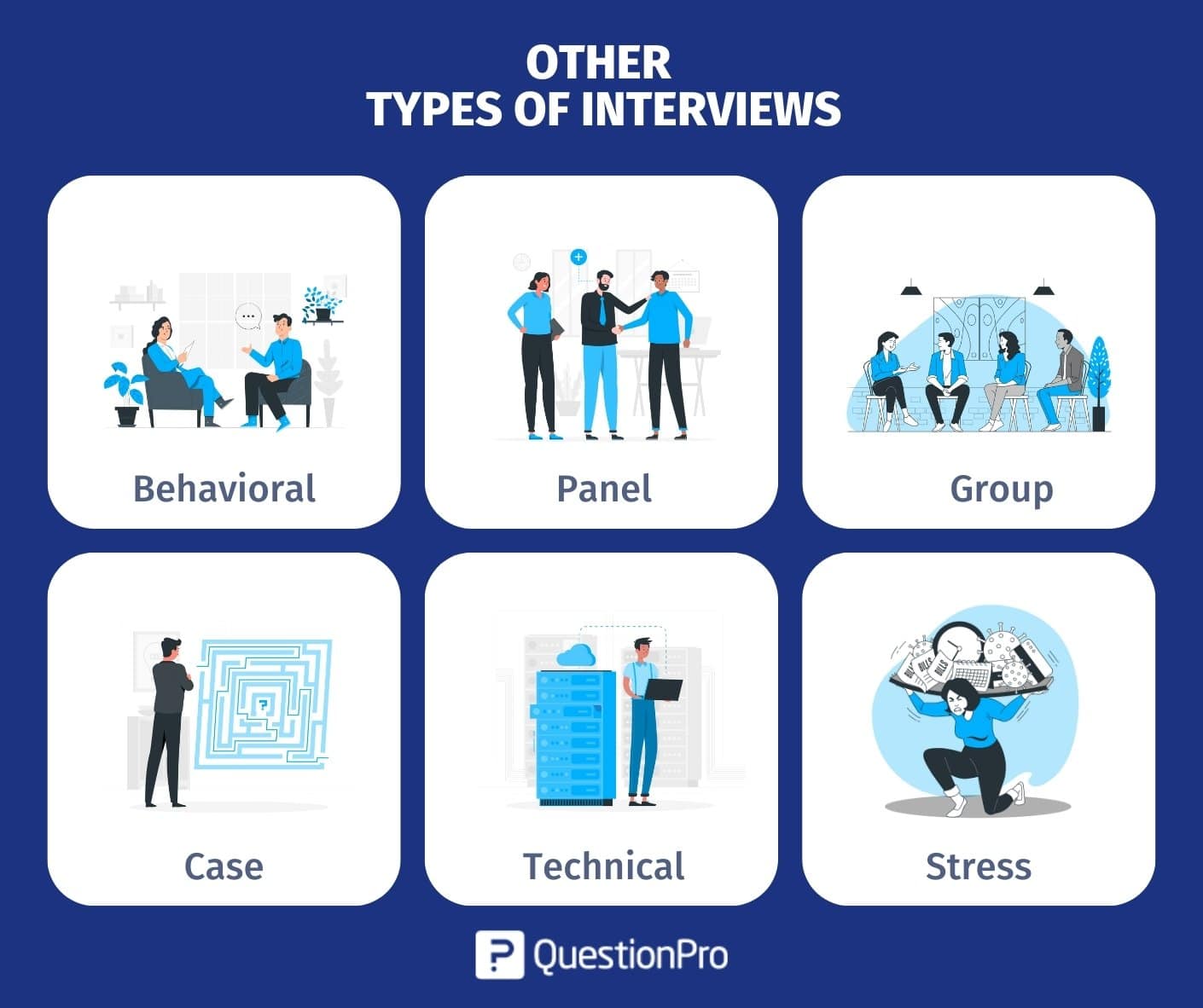
- **Behavioral Interviews:** Focus on past behavior as an indicator of future performance.
2. **How Interviews Work:**
- Discuss the purpose of interviews in various technical fields (e.g., hiring, assessments, qualifications).
- Explain the interview process from preparation to follow-up.
3. **Maintaining Interviews:**
- Highlight the importance of documentation, feedback collection, and continuous improvement of the interview process.
- Discuss the role of technology in maintaining interview records and facilitating virtual interviews.
#### Group Activity (25 minutes)
1. **Case Study Analysis:**
- Divide students into small groups and provide each group with a different case study of an interview scenario in a technical context.
- Ask groups to identify the type of interview being used, discuss its effectiveness, and how it could be improved.
2. **Presentation of Findings:**
- Have each group present their analysis to the class (3-5 minutes each).
#### Role-Playing Activity (20 minutes)
1. **Mock Interviews:**
- Pair students and assign roles (interviewer and interviewee).
- Provide students with role-play scenarios based on different types of interviews.
- Allow 10 minutes for each pair to conduct their mock interview, followed by feedback from peers.
#### Conclusion and Q&A (5 minutes)
1. **Wrap-Up:**
- Summarize key points covered in the lesson.
- Open the floor for any questions or clarifications.
#### Assessment:
- **Peer Feedback:** Use the evaluation rubric created during the role-playing activity to assess each student’s performance.
- **Exit Ticket:** Ask students to write down one key takeaway from the lesson and one question they still have about interviews.
---
### Follow-Up:
- Provide resources for further reading on interview techniques and best practices.
- Suggest students practice interviews outside of class, either through mock interviews with peers or resources available at career centers.
---
### Notes:
- Adjust timing as necessary based on class size and engagement.
- Be prepared to provide additional support for students who may be nervous about participating in role-play activities.
# Syllabus: Types of Interviews
## Course Description
This course provides an in-depth exploration of various types of interviews, including their purposes, structures, and techniques. Students will learn how to effectively conduct interviews in different contexts, such as job interviews, research interviews, media interviews, and informal conversations. The course will also cover best practices for preparation, execution, and follow-up.
## Course Objectives
By the end of this course, students will be able to:
1. Identify and differentiate between various types of interviews.
2. Analyze the purpose and structure of different interview formats.
3. Develop effective questioning techniques for various interview contexts.
4. Conduct interviews with confidence and professionalism.
5. Evaluate interviews critically, assessing effectiveness and areas for improvement.
## Weekly Breakdown
### Week 1: Introduction to Interviews
- Overview of the course
- Definition and importance of interviews
- Types of interviews in various fields
### Week 2: Job Interviews
- Structure of job interviews
- Common types: behavioral, situational, and panel interviews
- Preparation techniques and common questions
### Week 3: Research Interviews
- Purpose and types of research interviews (structured, semi-structured, unstructured)
- Developing interview guides
- Ethical considerations in research interviews
### Week 4: Media Interviews
- Types of media interviews (print, broadcast, online)
- Techniques for effective communication
- Handling difficult questions and situations
### Week 5: Informational Interviews
- Purpose and benefits of informational interviews
- How to approach and conduct an informational interview
- Networking strategies
### Week 6: Cross-Cultural Interviews
- Understanding cultural differences in interviews
- Adapting techniques for diverse populations
- Case studies and role-playing exercises
### Week 7: Virtual Interviews
- Best practices for conducting interviews via video conferencing
- Technical considerations and preparations
- Differences between in-person and virtual interviews
### Week 8: Mock Interviews
- Students will pair up to conduct practice interviews
- Peer feedback and instructor evaluation
- Discussion of challenges and successes
### Week 9: Analyzing Interview Techniques
- Reviewing recorded interviews
- Identifying strengths and weaknesses in interviewing styles
- Group discussion on learnings
### Week 10: Final Projects
- Students will prepare and present a final project focusing on a specific type of interview
- Project presentations and peer evaluations
## Assessment and Grading
- Participation and Attendance: 10%
- Weekly Quizzes: 20%
- Mock Interview Performance: 20%
- Final Project: 30%
- Peer Evaluation: 20%
## Policies
- **Attendance:** Regular attendance is expected. More than two unexcused absences will affect your grade.
- **Late Work:** Assignments submitted late will incur a penalty of 10% per day, unless prior arrangements are made.
- **Academic Integrity:** Plagiarism and cheating will not be tolerated and will result in disciplinary action.
## Additional Resources
- Writing Center: [Link/Information]
- Career Services: [Link/Information]
- Counseling Services: [Link/Information]
## Important Dates
- **Course Start Date:** [Date]
- **Midterm Exam:** [Date]
- **Final Project Due Date:** [Date]
- **Last Day to Withdraw:** [Date]
## Contact Information
For questions or concerns, please contact me via email or visit during office hours. I look forward to a productive and engaging semester!
---
Feel free to adjust specific details such as the instructor's name, email, office hours, and required materials as per your requirements.
### Learning Objectives for a Course on Types of Interviews for Technical Vocational Students
1. **Identify Different Interview Types**
Students will be able to identify and describe various types of interviews commonly used in the job market, including structured, unstructured, behavioral, situational, panel, and group interviews.
2. **Understand the Purpose of Each Interview Type**
Students will demonstrate an understanding of the specific purposes and contexts in which each type of interview is utilized, including the advantages and disadvantages of each format.
3. **Develop Interviewing Skills**
Students will develop effective interviewing skills by engaging in role-playing exercises that simulate different interview scenarios, allowing them to practice and refine their communication and presentation abilities.
4. **Prepare for Common Interview Questions**
Students will learn to anticipate and formulate responses to common interview questions associated with different interview types, emphasizing the importance of tailoring answers to specific job roles and industries.
5. **Conduct Mock Interviews**
Students will participate in mock interviews, where they will take turns as both interviewers and interviewees, providing and receiving constructive feedback to enhance their interviewing techniques.
6. **Evaluate Personal Interview Performance**
Students will reflect on their own performance in mock interviews by using self-assessment tools and peer evaluations, identifying strengths and areas for improvement.
7. **Understand Non-Verbal Communication**
Students will recognize the significance of non-verbal communication cues in interviews, including body language, eye contact, and facial expressions, and learn how to effectively convey professionalism through these cues.
8. **Explore Cultural Sensitivity in Interviews**
Students will appreciate the importance of cultural sensitivity and inclusivity in the interview process, learning how to adapt their approach to accommodate diverse backgrounds and perspectives.
9. **Research Company-Specific Interview Practices**
Students will conduct research on specific companies and their interview practices, preparing tailored strategies that align with the values and expectations of potential employers.
10. **Create an Interview Preparation Plan**
Students will develop a comprehensive interview preparation plan that includes strategies for research, practice, and follow-up, equipping them with the tools needed for successful job interviews in their chosen fields.
By the end of this course, students will be well-prepared to approach interviews with confidence and competence, significantly enhancing their employability in the technical vocational sector.
Sure! Here are five multiple choice questions about types of interviews, along with their correct answers:
### Question 1:
Which type of interview involves a structured set of questions that are asked in the same order to all candidates?
A) Unstructured Interview
B) Behavioral Interview
C) Structured Interview
D) Panel Interview
**Answer:** C) Structured Interview
---
### Question 2:
What is the primary focus of a behavioral interview?
A) Assessing technical skills
B) Understanding past behaviors and experiences
C) Evaluating cultural fit
D) Discussing salary expectations
**Answer:** B) Understanding past behaviors and experiences
---
### Question 3:
In which type of interview does a candidate meet with multiple interviewers at once?
A) One-on-One Interview
B) Group Interview
C) Panel Interview
D) Phone Interview
**Answer:** C) Panel Interview
---
### Question 4:
What is a key characteristic of an unstructured interview?
A) It follows a strict script of questions
B) It allows for open-ended discussions and flexibility
C) It is conducted remotely
D) It avoids personal questions
**Answer:** B) It allows for open-ended discussions and flexibility
---
### Question 5:
Which type of interview is typically conducted to assess a candidate's fit within a company's culture?
A) Technical Interview
B) Situational Interview
C) Competency-Based Interview
D) Informational Interview
**Answer:** B) Situational Interview
---
Feel free to use or modify these questions as needed!
AI Conversation
Impact of Interview Types
Different interview types can significantly impact a candidate's chances of success. Understanding the nuances of each type allows candidates to tailor their preparation and responses accordingly.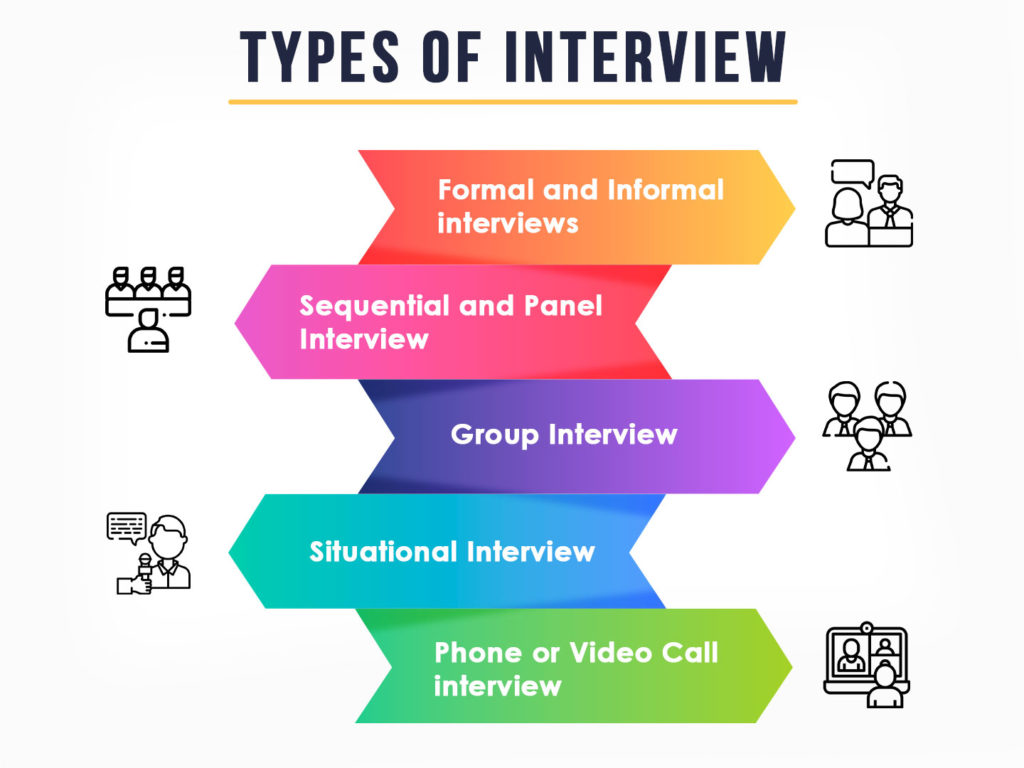
behavioral interviews
Behavioral interviews focus on past experiences to predict future behavior. Candidates prepare STAR stories that showcase their skills in teamwork, leadership, problem-solving, and adaptability, particularly relevant to roles in the digital economy.
https://www.youtube.com/watch?v=TT-n6Xo5XX4
preparation strategies
Effective preparation for interviews includes understanding the specific type of interview, practicing relevant skills, and developing clear narratives that highlight one's strengths and experiences.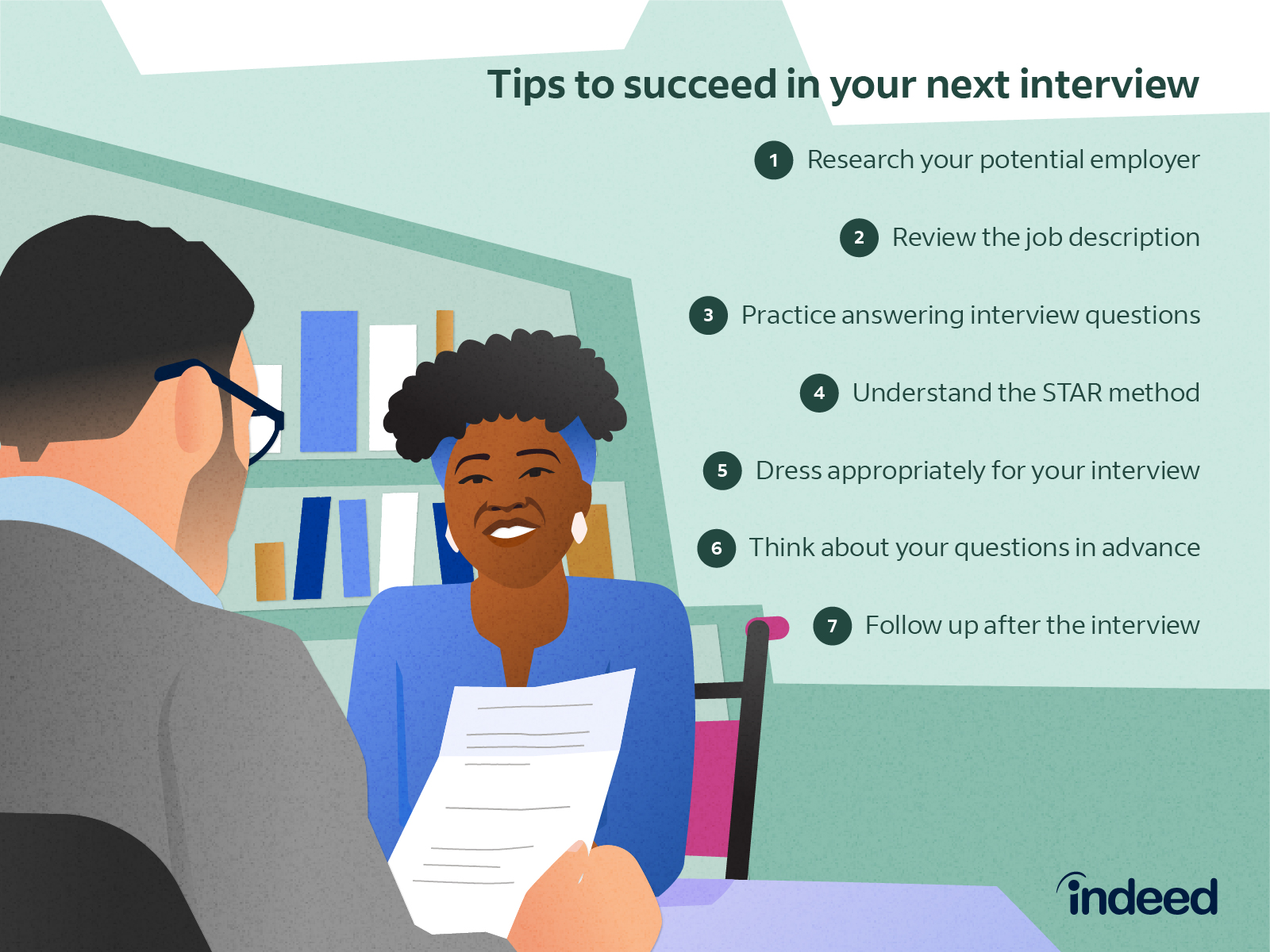
real-world examples
Employers seek real-world examples during interviews to gauge a candidate's problem-solving abilities and teamwork. Candidates should be ready to share specific instances that demonstrate their competencies.
types of interviews
Types of interviews are essential in the job application process, each serving different purposes and requiring unique preparation strategies. Understanding these types can significantly enhance a candidate's performance and confidence during interviews, leading to better job prospects.
https://www.youtube.com/watch?v=S49RQc_OtfU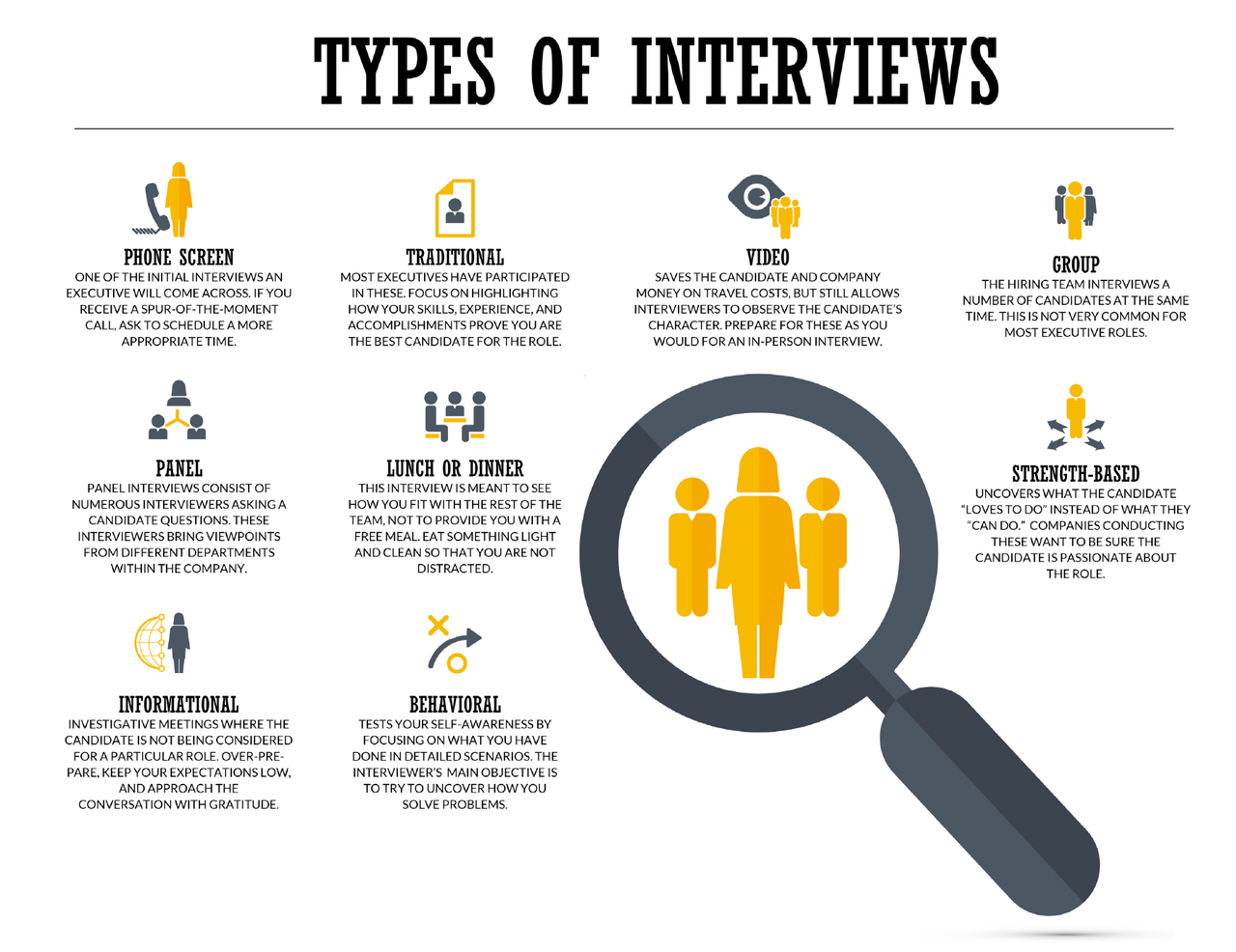
star method
The STAR method is a structured approach to answering behavioral interview questions. It stands for Situation, Task, Action, and Result, helping candidates articulate their experiences clearly and effectively.
https://www.youtube.com/watch?v=ZSSID5mp93o
confidence building
Mastering the various types of interviews and preparation techniques can build a candidate's confidence, enabling them to present themselves effectively and leave a lasting impression on potential employers.