Lesson AI Summary
"Digital System Design" is an immersive augmented and virtual reality experience that allows participants to explore the intricacies of digital electronic systems. In this interactive environment, users will learn about essential components such as logic gates, RAM, multiplexers, and bus systems, gaining insights into how these elements work together to create complex circuits that process digital signals. The experience highlights the importance of validation and testing tools, including simulation software and logic analyzers, which help verify system functionality and ensure compliance with performance and safety standards. Participants will discover the roles of sequential and combinational logic circuits, as well as the significance of registers and clock generators in maintaining system stability and efficiency. By engaging with these concepts in a hands-on manner, users will develop a comprehensive understanding of digital system architecture and design principles. This foundational knowledge equips learners to create scalable and adaptable systems, paving the way for innovations in technology and digital communication.
AI Conversation
Validation and Testing Tools
Validation and testing tools, including simulation software, logic analyzers, and breadboard prototypes, are used to verify system functionality. They help identify and correct design errors, ensuring the digital system meets performance, reliability, and safety standards before deployment.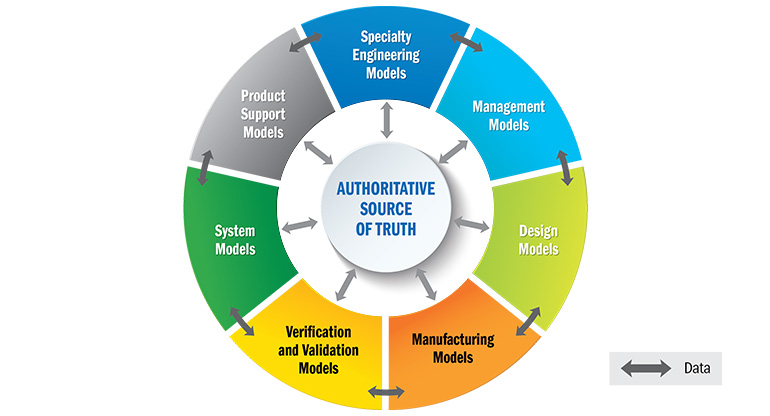
logic gates
Logic gates are fundamental electronic components that perform basic logical operations such as AND, OR, and NOT. By combining these gates, designers create complex circuits capable of processing digital signals, forming the basis for all digital computation and decision-making within a system.
https://www.youtube.com/watch?v=INEtYZqtjTo
ram (random access memory)
RAM provides larger, expandable storage for digital systems, allowing data to be read and written quickly. It supports multitasking, temporary data storage, and efficient handling of large datasets, making it essential for scalable, high-performance digital architectures.
multiplexers and bus systems
Multiplexers select data from multiple sources, while bus systems provide shared communication pathways between components. Together, they streamline data routing, reduce wiring complexity, and enable flexible, high-speed communication, supporting modular and scalable system designs.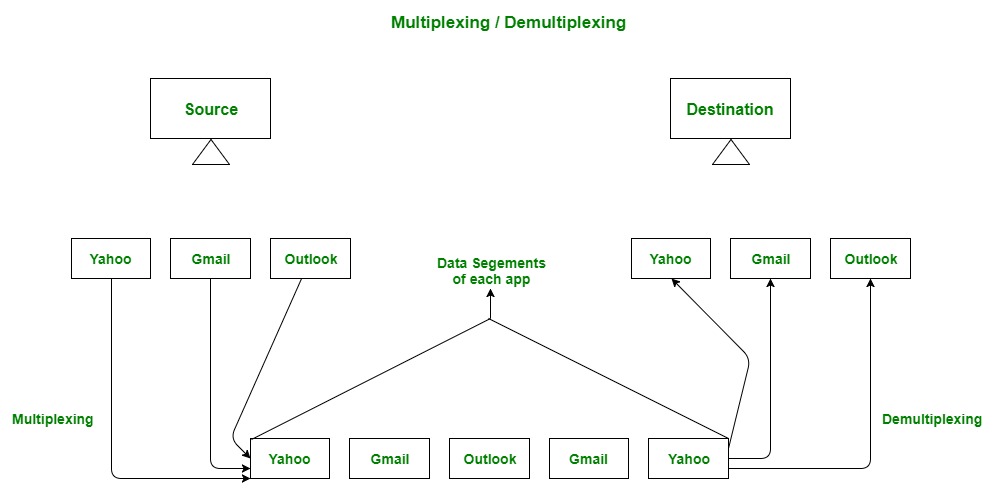
central clock generator
A central clock generator produces timing signals that synchronize all sequential elements in a digital system. This coordination ensures reliable data transfer, prevents timing errors, and maintains consistent operation across the entire system, which is critical for stability and performance.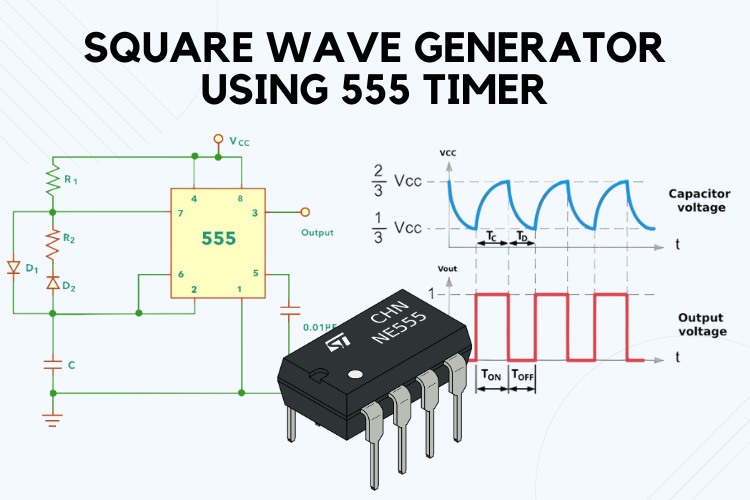
registers
Registers are small, fast memory units used to temporarily store data during processing. They enable rapid access to critical information, support arithmetic and logic operations, and play a key role in managing system states and facilitating efficient data transfer within digital systems.
https://www.youtube.com/watch?v=bAQfPQqKCHs
sequential logic circuits
Sequential logic circuits incorporate memory elements, such as flip-flops, to store information about past inputs. This enables the system to track states, implement counters, and manage complex operations that require history, making them vital for tasks like data storage and control sequencing.
https://www.youtube.com/watch?v=L5V1IxFhq0k
combinational logic circuits
Combinational logic circuits produce outputs based solely on current inputs, without memory of previous states. They are used for arithmetic operations, data selection, and encoding/decoding. Their predictable behavior makes them essential for fast, reliable data processing in digital systems.
https://www.youtube.com/watch?v=RO5alU6PpSU
digital system design
Digital system design involves creating electronic systems that process, store, and communicate digital data. It integrates logic circuits, memory, data routing, and synchronization to build reliable, scalable solutions. Mastery of these elements enables the development of efficient, adaptable systems for diverse technological applications.
https://www.youtube.com/watch?v=HnrZfCZ-2sQ