Lesson AI Summary
"Crime Scene Management" is an immersive augmented and virtual reality experience designed to educate participants on the critical aspects of managing a crime scene. Users will delve into the intricacies of forensic entomology, learning how insect activity can assist in estimating the time of death. The experience emphasizes the importance of meticulous documentation, showcasing techniques for recording details through photographs, sketches, and notes to preserve evidence integrity. Participants will also explore methods for securing a crime scene, including establishing perimeters and controlling access to prevent contamination. Furthermore, the experience covers various systematic search techniques tailored to different environments, ensuring thorough evidence collection. Users will gain insights into the chain of custody, highlighting the importance of documenting evidence handling to maintain its admissibility in court. By simulating a real-world crime scene, participants will enhance their understanding of team coordination, effective communication, and safety protocols essential for successful investigations. This engaging educational tool aims to foster a deeper appreciation for the meticulous work that goes into crime scene management and its role in the pursuit of justice.
AI Conversation
Crime Scene Management

Crime scene management often involves using forensic entomology, where investigators study insect activity on a body to estimate the time of death. This unique method can provide crucial timelines in solving crimes.
https://www.youtube.com/watch?v=AQY3QoEJzd8
securing the scene
https://www.youtube.com/watch?v=Hf9r4-LfOmA
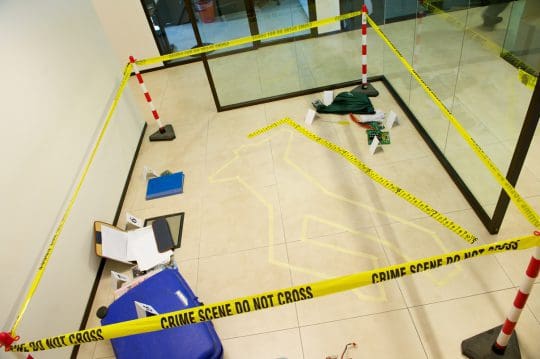
Securing the scene is a critical step in crime scene management, ensuring evidence integrity and preventing contamination. It involves establishing a perimeter, controlling access, and documenting all entries and exits. This process preserves the scene's original state, enabling accurate investigation and analysis, ultimately supporting justice and legal proceedings.
documentation
https://www.youtube.com/watch?v=JgzdhUAJrBA
Documentation in crime scene management involves meticulously recording all details of the scene, including photographs, sketches, and written notes. It ensures accurate evidence collection, aids in reconstructing events, and supports legal proceedings. Comprehensive documentation is crucial for maintaining the integrity of the investigation and facilitating effective communication among law enforcement personnel.

search methods

https://www.youtube.com/watch?v=YjAc4ynPq4o
Search methods in crime scene management are systematic approaches to locate evidence. Techniques include grid, spiral, strip, and zone searches, each tailored to scene size and complexity. Effective searches ensure thorough evidence collection, maintaining chain of custody, and supporting accurate crime reconstruction and investigation outcomes.
team coordination

https://www.youtube.com/watch?v=ZIA4mdQtv7k
Team coordination in crime scene management involves synchronized efforts among law enforcement, forensic experts, and investigators to preserve evidence, maintain chain of custody, and ensure comprehensive analysis. Effective communication, role clarity, and adherence to protocols are crucial for accurate crime reconstruction and successful prosecution, minimizing errors and contamination risks.
evidence collection
https://www.youtube.com/watch?v=iAPjuLJprTw
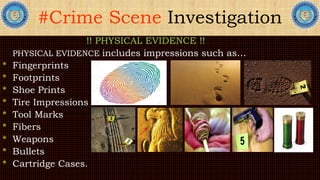
Evidence collection in crime scene management involves systematically gathering physical and digital evidence to preserve its integrity. This process includes documenting the scene, using proper tools, and following chain-of-custody protocols. Effective evidence collection is crucial for reconstructing events, identifying suspects, and ensuring the evidence is admissible in court.
scene survey
https://www.youtube.com/watch?v=ufWvmwVbZHg
Scene survey in crime scene management involves a systematic initial assessment to identify potential evidence, hazards, and the scope of the scene. It ensures the safety of personnel, preserves evidence integrity, and guides subsequent investigative actions. This crucial step sets the foundation for effective crime scene processing and analysis.
chain of custody
https://www.youtube.com/watch?v=DSKW_Qn94Mk

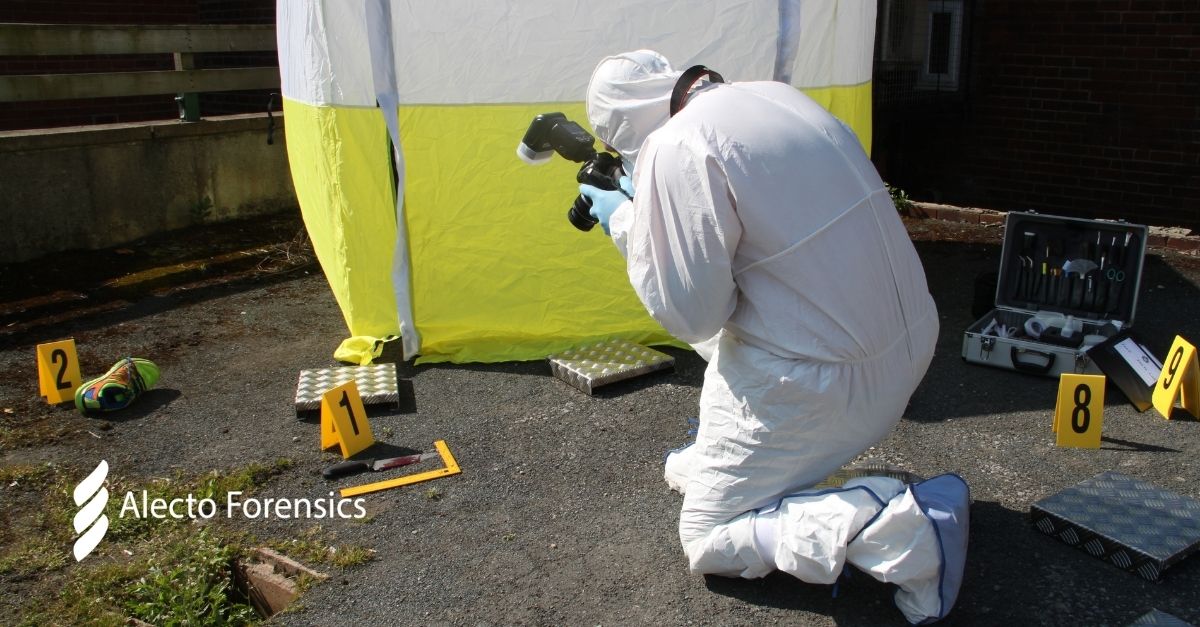
Chain of custody in crime scene management ensures the integrity of evidence by meticulously documenting its collection, transfer, and storage. This process maintains a clear, unbroken trail from the crime scene to the courtroom, preventing tampering or contamination, and is crucial for the evidence's admissibility and reliability in legal proceedings.
preservation
https://www.youtube.com/watch?v=ZKpgfco4NtE

Preservation in crime scene management involves safeguarding evidence integrity by preventing contamination, loss, or alteration. This includes securing the scene, documenting meticulously, and using proper collection techniques. Effective preservation ensures reliable evidence for analysis, aiding in accurate crime reconstruction and supporting legal proceedings. It's crucial for justice and truth.
Crime Scene Management
Crime scene management often involves using forensic entomology, where investigators study insect activity on a body to estimate the time of death, turning bugs into crucial witnesses in solving crimes!
https://www.youtube.com/watch?v=AQY3QoEJzd8
securing the scene
https://www.youtube.com/watch?v=iAPjuLJprTw
Securing the scene in crime scene management involves establishing a perimeter to prevent contamination, preserving evidence integrity, and controlling access. It ensures that only authorized personnel enter, maintains a log of all individuals present, and protects the scene from environmental factors, ensuring accurate investigation and evidence collection.
documentation
https://www.youtube.com/watch?v=iAPjuLJprTw
Documentation in crime scene management involves meticulously recording all details of the scene, including photographs, sketches, and notes. This ensures accurate evidence collection, aids in investigations, and supports legal proceedings. Comprehensive documentation preserves the scene's integrity, facilitates communication among investigators, and is crucial for reconstructing events and establishing facts in court.
evidence collection
https://www.youtube.com/watch?v=EQUE8IeVmpA
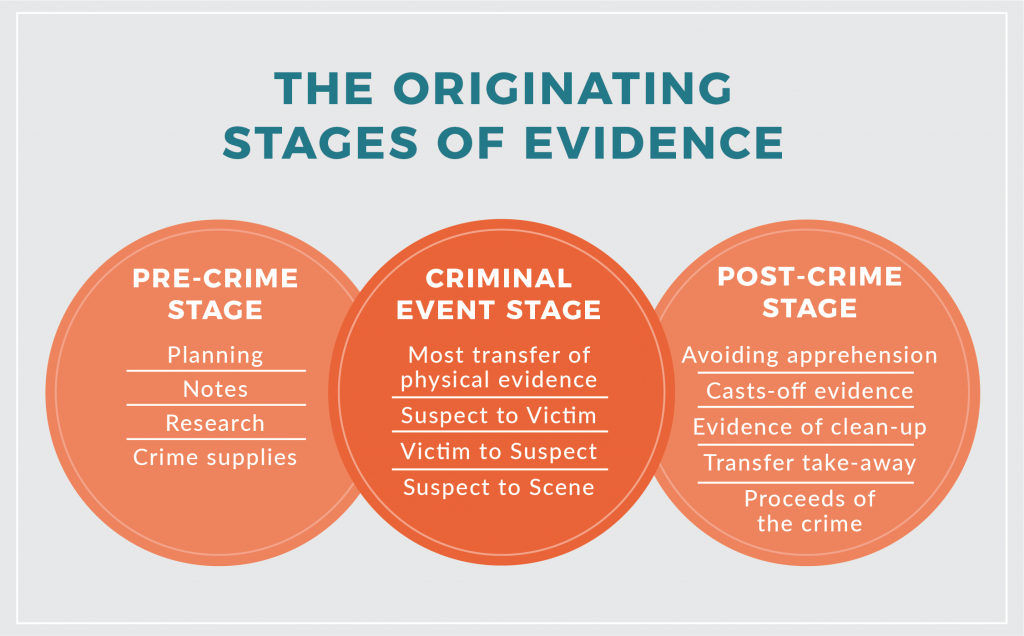
Evidence collection in crime scene management involves systematically identifying, preserving, and documenting physical evidence to ensure its integrity for legal proceedings. This process requires meticulous attention to detail, adherence to protocols, and collaboration among forensic experts to reconstruct events accurately and support the investigation and prosecution of criminal activities.
chain of custody
https://www.youtube.com/watch?v=ufWvmwVbZHg
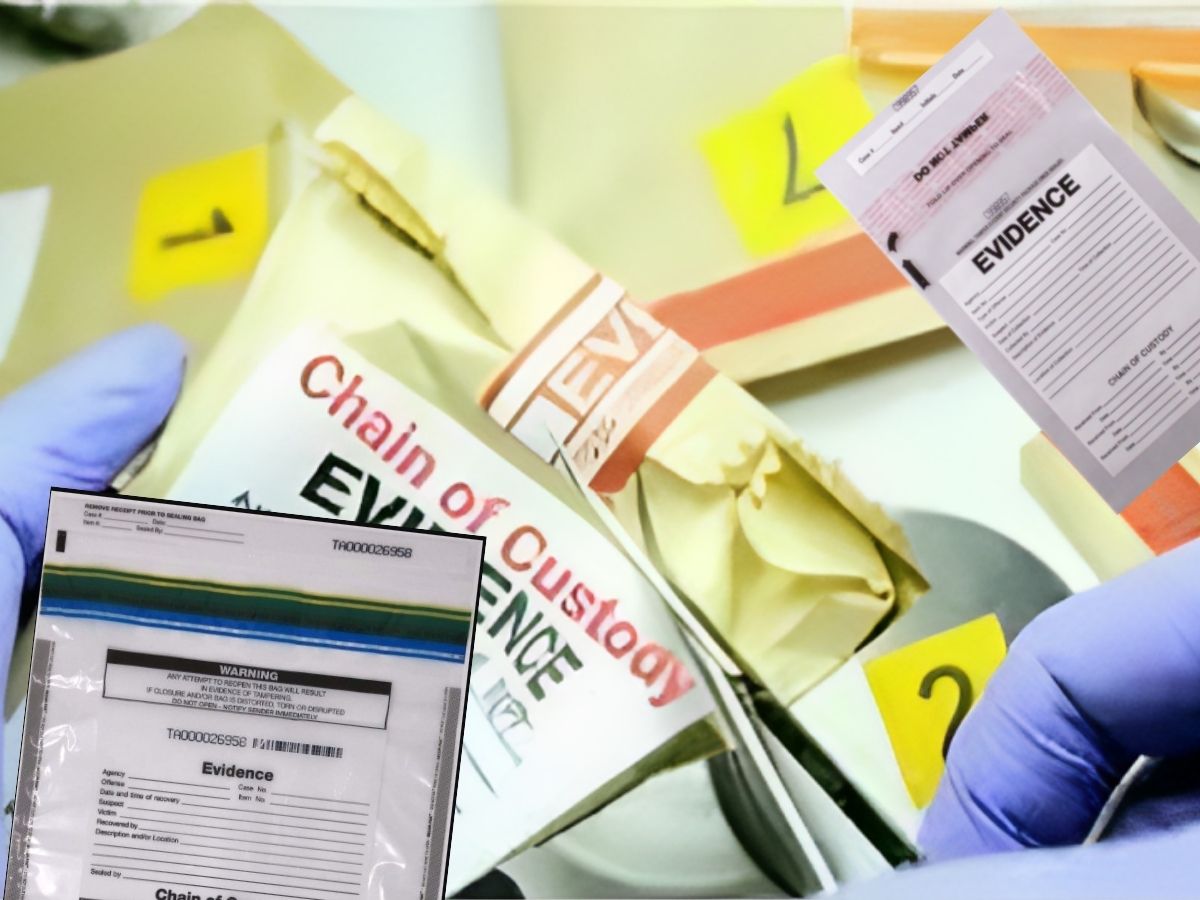
Chain of custody in crime scene management ensures the integrity of evidence by meticulously documenting its collection, transfer, and storage. This process prevents tampering or contamination, maintaining a clear, chronological record of who handled the evidence, thus preserving its admissibility and reliability in legal proceedings.
communication
https://www.youtube.com/watch?v=fFYqvJuSj9w
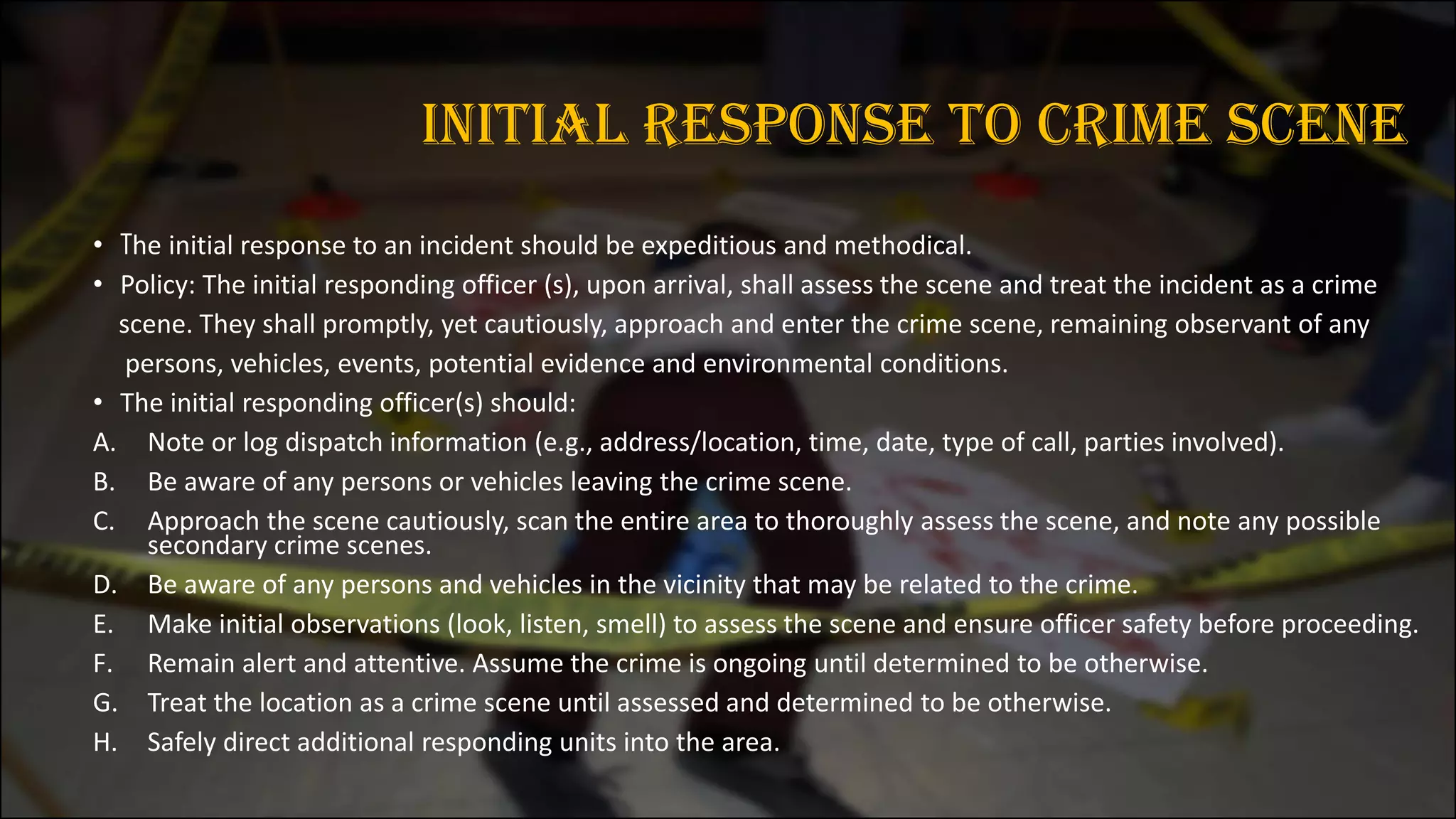
Effective communication in crime scene management is crucial for ensuring accurate information exchange among law enforcement, forensic teams, and legal entities. It facilitates coordination, preserves evidence integrity, and supports efficient investigation processes. Clear protocols and timely updates help prevent misunderstandings and ensure that all parties work towards a common goal.
scene survey
https://www.youtube.com/watch?v=ufWvmwVbZHg
Scene survey in crime scene management involves a systematic initial assessment to secure and evaluate the area. It identifies potential evidence, hazards, and the scene's boundaries. This crucial step ensures evidence integrity, guides investigative priorities, and facilitates effective coordination among forensic teams and law enforcement personnel.
preservation
https://www.youtube.com/watch?v=ZKpgfco4NtE
Preservation in crime scene management involves safeguarding the scene to maintain evidence integrity. It ensures that physical evidence remains uncontaminated and unaltered, facilitating accurate analysis. This process includes securing the area, documenting meticulously, and employing proper collection techniques, crucial for reconstructing events and supporting legal proceedings.
safety
https://www.youtube.com/watch?v=mepF3LOdIxU
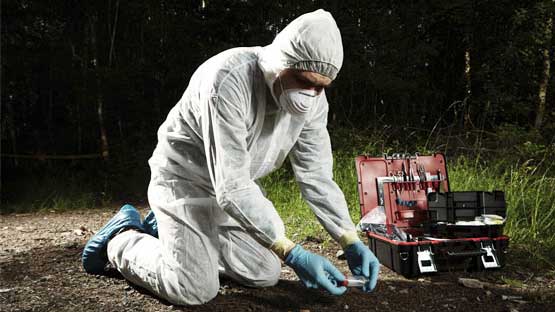
Safety in crime scene management involves securing the area to protect evidence and personnel, using protective gear to prevent contamination, and following protocols to mitigate risks. Effective communication and coordination among law enforcement, forensic teams, and emergency services are crucial to ensure a safe and efficient investigation process.