AI Conversation
Informed Consent
Informed consent involves educating clients about the counseling process, including potential risks and benefits. Clients must voluntarily agree to participate, understanding their rights and the limits of confidentiality. This process empowers clients and respects their autonomy.
https://www.youtube.com/watch?v=o6kDXdygqmw
confidentiality
Confidentiality is a cornerstone of counseling ethics, ensuring client information is protected. Counselors must safeguard client disclosures, only breaking confidentiality when legally mandated or to prevent harm. This trust fosters open communication, essential for effective therapy.
https://www.youtube.com/watch?v=DKFZl73dv4o
competence
Competence in counseling involves possessing the necessary skills and knowledge to provide effective services. Counselors must engage in ongoing education and self-assessment to maintain proficiency, ensuring they meet professional standards and provide quality care to clients.
https://www.youtube.com/watch?v=WxPifuzuI5M
ethics in counseling practice
Ethics in counseling practice is crucial for ensuring client welfare and professional integrity. Understanding ethical standards and dilemmas helps counselors navigate complex situations. Key elements include confidentiality, informed consent, dual relationships, competence, cultural sensitivity, professional boundaries, record-keeping, and ethical decision-making models.
https://www.youtube.com/watch?v=1y09CgRxsz4

ethical decision-making models
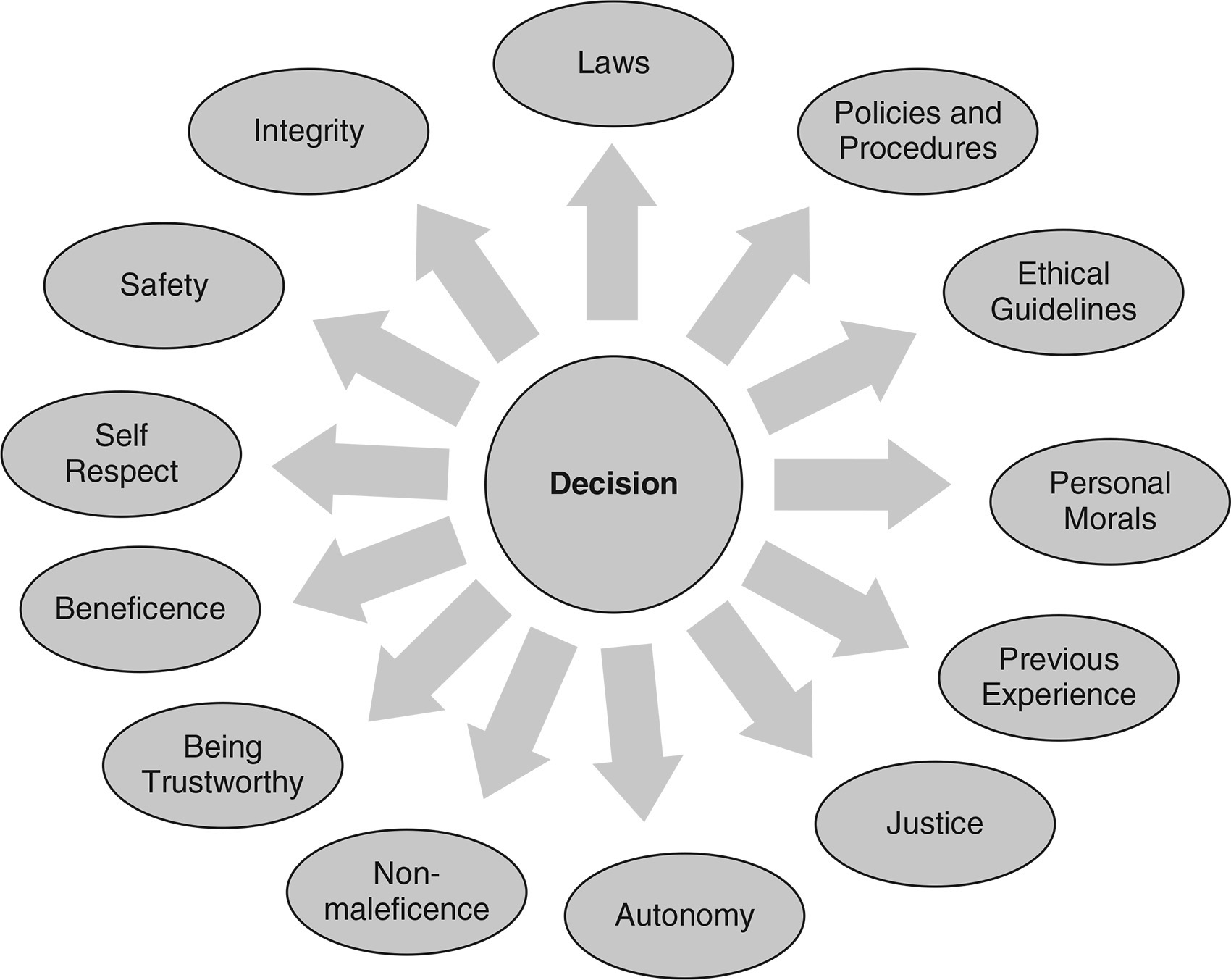
Ethical decision-making models guide counselors in resolving dilemmas by providing structured approaches to evaluate options and consequences. These models help ensure decisions align with ethical standards, legal requirements, and the best interests of clients, promoting responsible and informed practice.

cultural sensitivity
Cultural sensitivity requires counselors to respect and understand diverse backgrounds and perspectives. Ethical practice involves recognizing cultural influences on client experiences and adapting interventions accordingly, promoting inclusivity and effective communication in the therapeutic relationship.

record-keeping
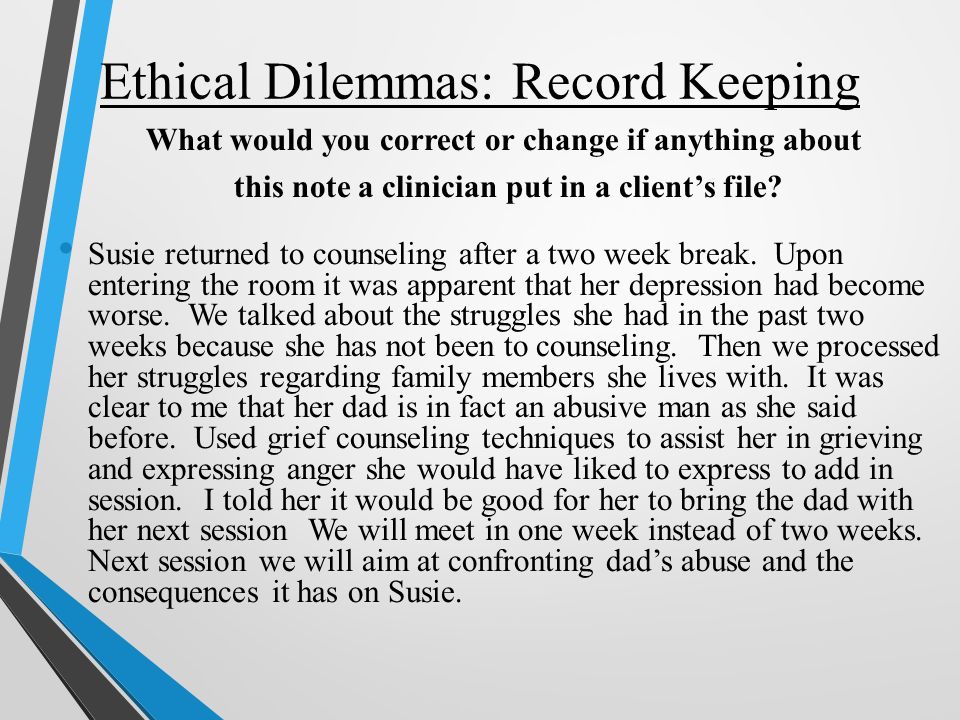
Accurate record-keeping is vital for ethical counseling practice, providing a documented history of client interactions and treatment plans. Counselors must ensure records are secure, complete, and accessible only to authorized individuals, balancing confidentiality with legal and professional obligations.
dual relationships
Dual relationships occur when counselors have multiple roles with a client, potentially impairing objectivity and professionalism. Ethical practice requires avoiding such relationships to prevent conflicts of interest and maintain clear boundaries, ensuring the client's best interests are prioritized.
https://www.youtube.com/watch?v=Q8vvK8KDV3c
professional boundaries
Maintaining professional boundaries is essential to prevent exploitation and maintain trust. Counselors must establish clear limits in the therapeutic relationship, avoiding personal involvement with clients to ensure objectivity and uphold ethical standards.
AI Report
Essay
**Ethical Decision-Making Models: A Framework for Moral Choices**
Ethical decision-making is an essential process in various contexts, including business, healthcare, and personal life. The complexity of moral dilemmas often necessitates a structured approach to navigate the intricacies of ethical choices. Ethical decision-making models provide frameworks that guide individuals in evaluating their options and arriving at morally sound conclusions. This essay will explore three prominent ethical decision-making models: the utilitarian approach, the deontological approach, and the virtue ethics approach, highlighting their principles and applications.
The utilitarian approach, rooted in the philosophy of consequentialism, emphasizes the outcomes of actions as the primary basis for any ethical decision. According to this model, the best action is the one that maximizes overall happiness or well-being (Mill, 1863). This approach requires decision-makers to consider the consequences of their choices on all stakeholders involved. For instance, in a business context, a company might assess whether to implement a cost-cutting measure by evaluating its impact on employees, customers, and shareholders. While the utilitarian approach can provide clear guidelines, critics argue that it may justify unethical actions if they lead to a perceived greater good (Rachels, 2003).
In contrast, the deontological approach, championed by philosophers such as Immanuel Kant, focuses on the inherent morality of actions rather than their consequences. This model posits that certain actions are morally obligatory, regardless of their outcomes (Kant, 1785). Deontologists argue that ethical principles, such as honesty and fairness, must be upheld to maintain moral integrity. For example, a healthcare professional may refuse to lie to a patient about their prognosis, even if doing so could spare the patient distress. While the deontological approach emphasizes moral duties, it can lead to rigid decision-making that fails to consider the complexities of real-life situations (Alexander & Moore, 2016).
The virtue ethics approach, rooted in Aristotelian philosophy, shifts the focus from rules and outcomes to the character and virtues of the decision-maker. According to this model, ethical behavior stems from the development of good character traits, such as courage, honesty, and compassion (Hursthouse, 2013). Virtue ethics encourages individuals to reflect on what a virtuous person would do in a given situation, fostering personal growth and moral development. In practice, this might involve a leader considering how their decisions align with their values and the kind of role model they wish to be for their team. While virtue ethics emphasizes the importance of character, critics argue that it can be subjective and may lack clear guidance in specific situations (Hursthouse, 1999).
In conclusion, ethical decision-making models serve as valuable tools in navigating moral dilemmas across various contexts. The utilitarian approach offers a framework for assessing the consequences of actions, while the deontological approach emphasizes the importance of moral principles and duties. The virtue ethics approach, on the other hand, highlights the significance of character and personal integrity. While each model has its strengths and weaknesses, understanding these frameworks can help individuals make more informed and ethical choices.
**References**
Alexander, L., & Moore, M. (2016). *Deontological Ethics*. In E. N. Zalta (Ed.), The Stanford Encyclopedia of Philosophy (Winter 2016 Edition). https://plato.stanford.edu/archives/win2016/entries/ethics-deontological/
Hursthouse, R. (1999). Virtue ethics. *Stanford Encyclopedia of Philosophy*. https://plato.stanford.edu/entries/ethics-virtue/
Hursthouse, R. (2013). Virtue ethics. In E. N. Zalta (Ed.), *The Stanford Encyclopedia of Philosophy* (Winter 2013 Edition). https://plato.stanford.edu/archives/win2013/entries/ethics-virtue/
Kant, I. (1785). *Groundwork for the Metaphysics of Morals*. Cambridge University Press.
Mill, J. S. (1863). *Utilitarianism*. Parker, Son, and Bourn.
Rachels, J. (2003). *The Elements of Moral Philosophy* (4th ed.). McGraw-Hill.
Lesson Plan
### Lesson Plan: Understanding Ethical Decision-Making Models
#### Subject: Ethics in Technical Vocational Education
#### Grade Level: Technical Vocational Students (High School/College Level)
#### Duration: 2 Hours
#### Instructor: [Instructor's Name]
#### Date: [Insert Date]
---
### Objectives:
By the end of this lesson, students will be able to:
1. Define ethical decision-making models and their importance in technical fields.
2. Identify various ethical decision-making models.
3. Analyze a case study using an ethical decision-making model.
4. Develop a personal framework for ethical decision-making in their vocational field.
5. Discuss how to maintain ethical standards in their profession.
### Materials Needed:
- Whiteboard and markers
- Projector and screen
- Handouts of ethical decision-making models (e.g., Utilitarianism, Rights-based approach, Virtue ethics)
- Case study scenarios related to technical fields
- Ethical Decision-Making Model worksheet
- Access to computers/tablets (optional)
- Video clips (optional)
### Lesson Outline:
#### Introduction (15 minutes)
- **Icebreaker Activity**: Ask students to share a situation where they had to make an ethical decision. Discuss briefly.
- **Introduction to Ethics**: Define ethics and its importance in technical vocational fields. Highlight the impact of ethical decision-making on professional practice and society.
#### Direct Instruction (30 minutes)
1. **Define Ethical Decision-Making Models**:
- Explain what an ethical decision-making model is.
- Discuss the significance of these models in guiding professionals in making ethical choices.
2. **Overview of Common Ethical Decision-Making Models**:
- **Utilitarianism**: Focus on the consequences and the greatest good for the greatest number.
- **Rights-based Approach**: Emphasizes individual rights and duties.
- **Virtue Ethics**: Focus on the character of the decision-maker.
- **Justice Approach**: Fairness and equality considerations.
- **Ethical Decision-Making Frameworks**: Introduce frameworks like the PLUS model (Policies, Legal, Universal, Self).
#### Group Activity (30 minutes)
- **Case Study Analysis**:
- Divide students into small groups and provide each group with a different case study relevant to their vocational field (e.g., engineering, healthcare, IT).
- Each group will:
- Analyze the case using one of the ethical decision-making models.
- Discuss potential outcomes and ethical implications.
- Prepare a brief presentation on their findings.
#### Presentations (20 minutes)
- Each group presents their case study analysis (3-4 minutes per group).
- Encourage questions and discussions after each presentation.
#### Individual Activity (20 minutes)
- **Personal Ethical Decision-Making Framework**:
- Distribute the Ethical Decision-Making Model worksheet.
- Instruct students to create their own ethical decision-making framework, considering their values and the models discussed.
- Reflect on how they will maintain ethical standards in their future careers.
#### Conclusion (5 minutes)
- Recap the importance of ethical decision-making in their fields.
- Highlight key takeaways from the lesson.
- Encourage students to continuously reflect on their ethical frameworks and decision-making processes throughout their careers.
### Assessment:
- Participation in group activities and presentations.
- Completion and quality of the personal ethical decision-making framework worksheet.
- Optional: A short reflection paper on how they plan to apply ethical decision-making models in their future profession.
### Additional Resources:
- Recommended readings on ethics in their specific vocational fields.
- Links to online courses or webinars on ethical decision-making.
### Follow-up:
Consider scheduling a follow-up session to explore real-world ethical dilemmas in their fields or invite a guest speaker to discuss ethics in the industry.
---
### Note:
Adjust the lesson plan as necessary to meet the specific needs of your students and the resources available.
Class Syllabus Outline
**Syllabus: Ethical Decision-Making Models**
**Course Title:** Ethical Decision-Making Models
**Course Code:** ETH 301
**Credits:** 3
**Semester:** Fall 2023
**Instructor:** Dr. Jane Smith
**Email:** jane.smith@university.edu
**Office Hours:** Tuesdays 2:00 PM - 4:00 PM or by appointment
**Location:** Room 204, Social Sciences Building
**Class Time:** Thursdays 6:00 PM - 8:30 PM
---
### Course Description
This course provides an in-depth exploration of various ethical decision-making models and frameworks used in personal, professional, and societal contexts. Students will examine the principles underlying ethical theories, analyze real-world case studies, and develop critical thinking skills to navigate complex ethical dilemmas.
### Course Objectives
By the end of this course, students will be able to:
1. Understand and articulate key ethical theories and principles.
2. Analyze ethical dilemmas using various decision-making models.
3. Develop practical skills for applying ethical frameworks in real-life situations.
4. Critically evaluate the implications of ethical decisions on individuals and society.
5. Communicate ethical reasoning effectively through written and oral presentations.
### Required Texts and Materials
- Rachels, James, and Stuart Rachels. *The Elements of Moral Philosophy*. 8th ed. McGraw-Hill, 2019.
- Additional readings and case studies will be provided via the course website.
### Course Outline
**Week 1: Introduction to Ethics**
- Overview of ethics and moral philosophy
- Importance of ethical decision-making
**Week 2: Ethical Theories**
- Utilitarianism
- Deontology
- Virtue Ethics
**Week 3: Ethical Decision-Making Models**
- Overview of decision-making models
- Theories of moral reasoning: a comparative analysis
**Week 4: The Role of Emotions in Ethical Decisions**
- Emotional intelligence and its impact on ethical decision-making
- Case studies on emotional influences in decision-making
**Week 5: Stakeholder Theory**
- Identifying stakeholders in ethical dilemmas
- Balancing interests and values
**Week 6: Cultural and Social Influences on Ethics**
- The role of culture in shaping ethical perspectives
- Cross-cultural ethical frameworks
**Week 7: Corporate Ethics and Social Responsibility**
- Business ethics and ethical decision-making in organizations
- Case studies on corporate dilemmas
**Week 8: Ethical Decision-Making in Healthcare**
- Ethical principles in medical decision-making
- Case studies in healthcare ethics
**Week 9: Environmental Ethics**
- Ethical considerations in environmental decision-making
- Case studies on sustainability and ethics
**Week 10: Technology and Ethics**
- Ethical challenges in the digital age
- Case studies on AI, privacy, and technology
**Week 11: Ethical Dilemmas in Law and Politics**
- The intersection of ethics, law, and public policy
- Case studies on legal ethics
**Week 12: Developing Personal Ethical Frameworks**
- Creating a personal ethical decision-making model
- Reflection and application to personal experiences
**Week 13: Group Presentations**
- Students present case studies using ethical decision-making models
- Peer feedback and discussion
**Week 14: Course Review and Reflection**
- Review of key concepts
- Discussion of course takeaways and future applications
### Assessment and Grading
- **Participation and Attendance:** 10%
- **Weekly Reflection Papers (5 Papers):** 25% (5% each)
- **Midterm Exam:** 20%
- **Group Presentation:** 20%
- **Final Paper:** 25%
### Policies
- **Attendance:** Regular attendance is expected. More than two unexcused absences may affect your final grade.
- **Late Work:** Assignments submitted late will incur a penalty of 10% per day unless prior arrangements are made.
- **Academic Integrity:** All students are expected to adhere to the university’s academic integrity policy. Plagiarism or cheating will result in disciplinary action.
### Resources
- University Writing Center for assistance with writing assignments.
- Counseling services for students needing support.
### Important Dates
- **Midterm Exam:** Week 7
- **Group Presentation Dates:** Week 13
- **Final Paper Due:** Last class, Week 14
---
**Note:** This syllabus is subject to change based on the needs of the class and the instructor's discretion. Students will be notified of any changes in a timely manner.
Learning Objectives
### Learning Objectives for Ethical Decision-Making Models Course
1. **Understand Ethical Theories**: Identify and explain key ethical theories and principles, including utilitarianism, deontology, virtue ethics, and relativism, and how they apply to technical vocational settings.
2. **Analyze Ethical Dilemmas**: Develop skills to recognize and analyze ethical dilemmas commonly encountered in technical fields, including issues related to safety, integrity, and environmental impact.
3. **Apply Decision-Making Models**: Demonstrate the ability to apply various ethical decision-making models to real-world scenarios, evaluating the implications of different choices on stakeholders.
4. **Evaluate Consequences**: Assess the potential consequences of decisions made within technical vocations, considering both short-term and long-term impacts on individuals, communities, and the environment.
5. **Communicate Ethical Choices**: Cultivate effective communication skills to articulate ethical decisions and the rationale behind them to diverse audiences, including peers, supervisors, and clients.
6. **Foster Ethical Leadership**: Explore the role of ethical leadership in technical vocations and develop strategies to promote a culture of ethical awareness and accountability in the workplace.
7. **Reflect on Personal Values**: Encourage self-reflection on personal values and biases, and understand how these influence ethical decision-making processes in professional contexts.
8. **Implement Ethical Policies**: Learn to develop and implement ethical guidelines and policies within technical organizations to ensure compliance with legal and professional standards.
9. **Engage in Ethical Discussions**: Participate in discussions and debates on contemporary ethical issues in technology and vocational practices, fostering critical thinking and collaborative problem-solving.
10. **Commit to Lifelong Learning**: Encourage a commitment to lifelong learning regarding ethical standards and practices, staying informed about emerging ethical concerns in technology and vocational fields.
Quiz Questions
Sure! Here are five multiple-choice questions about Ethical Decision-Making Models along with their answers:
### Question 1:
What is the first step in most ethical decision-making models?
A) Identify the stakeholders
B) Gather all relevant information
C) Define the ethical issues
D) Evaluate the options
**Answer:** C) Define the ethical issues
---
### Question 2:
Which ethical decision-making model emphasizes the importance of the consequences of actions?
A) Deontological ethics
B) Virtue ethics
C) Utilitarianism
D) Rights-based approach
**Answer:** C) Utilitarianism
---
### Question 3:
In the context of ethical decision-making, what does the term "stakeholder" refer to?
A) An individual who has no interest in the outcome
B) A person or group affected by a decision
C) A person making an ethical decision
D) A legal entity involved in a business transaction
**Answer:** B) A person or group affected by a decision
---
### Question 4:
Which of the following models is primarily concerned with adherence to rules and duties?
A) Virtue ethics
B) Consequentialism
C) Deontological ethics
D) Care ethics
**Answer:** C) Deontological ethics
---
### Question 5:
When evaluating options in ethical decision-making, what is a key consideration in the "rights-based approach"?
A) The greatest good for the greatest number
B) The protection of individual rights and freedoms
C) The moral character of the decision-maker
D) The long-term consequences of the action
**Answer:** B) The protection of individual rights and freedoms
---
Feel free to use or modify these questions as needed!